Precision-Machined Wire Harness Components Enhancing Vehicle Electrical Performance
News 2025-10-31
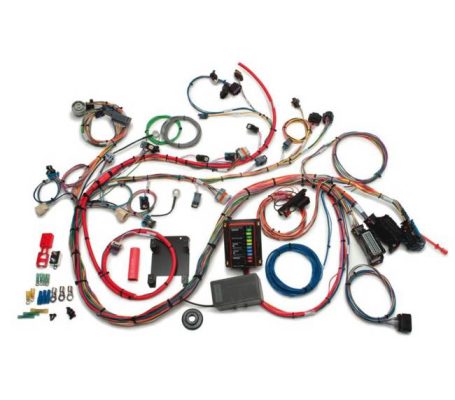
Wire harness components are integral to modern vehicle design, serving as organized bundles of wires that transmit electrical signals and power throughout the system. Precision machining elevates these components by employing advanced manufacturing techniques to achieve exact specifications, which minimizes defects and optimizes functionality. This results in superior electrical performance, including reduced signal interference and enhanced energy efficiency, critical for today’s complex automotive systems where reliability can directly impact safety and operational longevity.
Key Applications in Automotive Systems
Precision-machined wire harness components are essential in diverse automotive contexts. In electric vehicles, they facilitate efficient connections between battery modules and drive systems, ensuring stable power delivery. For autonomous driving technologies, these components enable precise wiring for sensors and control units, supporting real-time data processing with minimal latency. Additionally, in conventional vehicles, they manage integrations for lighting, infotainment, and engine controls, adapting to the increasing electrification and connectivity demands of the industry.
Performance Advantages of Precision Machining
Precision machining delivers significant benefits by producing wire harness components with tighter tolerances and superior material integrity. This leads to improved electrical conductivity, reducing resistance and heat buildup, which enhances overall system efficiency. The process also increases mechanical durability, making components more resistant to vibrations, corrosion, and thermal stress encountered in vehicle operations. As a result, vehicles benefit from fewer electrical faults, extended component life, and better weight optimization, contributing to fuel savings and reduced emissions in both traditional and electric models.
Frequently Asked Questions
1. What materials are typically used in precision-machined wire harness components?
Answer: Common materials include high-conductivity copper for wires and robust polymers or insulators for protection, ensuring both performance and longevity.
2. How do these components improve vehicle safety?
Answer: By minimizing electrical failures and signal disruptions, they enhance system reliability, which is crucial for safety features like braking and stability control.
3. What role do they play in electric vehicle efficiency?
Answer: They optimize power distribution and reduce energy loss, leading to better battery range and overall efficiency in electric and hybrid vehicles.