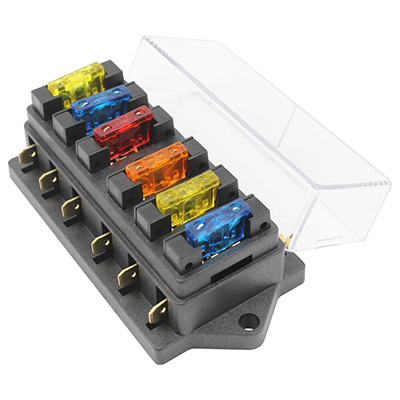
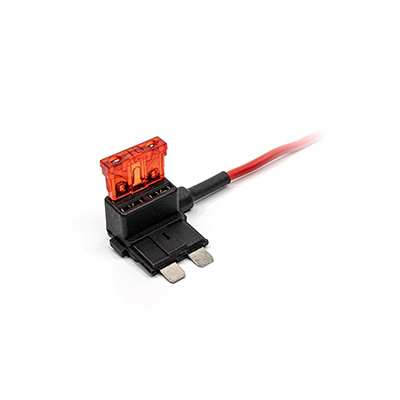
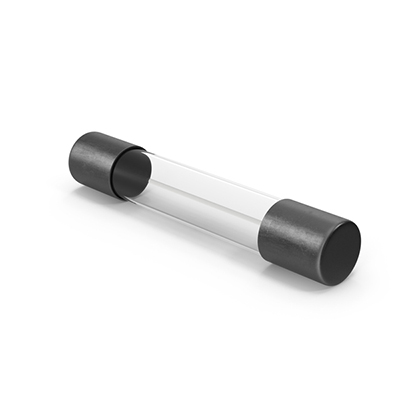
Replacement Fuse Direct Fit Restores Original Vehicle Circuit Protection Functions Safely
News 2025-11-17
Automotive electrical systems depend on precisely engineered circuit protection to keep vehicles safe, functional, and compliant with OEM design. When a factory fuse fails or is damaged, using a replacement fuse direct fit to restore original vehicle circuit protection functions is the most effective way to maintain system integrity. Direct-fit fuses match the original physical dimensions, ratings, and response characteristics, helping technicians and fleet managers avoid compatibility risks commonly associated with generic substitutes.
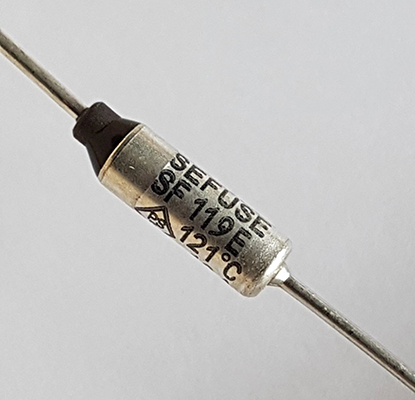
Restoring OEM-Level Circuit Protection Performance
A direct-fit replacement fuse is engineered to meet the same electrical specifications as the original component, including voltage rating, current rating, blow characteristics, and time-delay profile. This precise alignment ensures that each circuit is safeguarded exactly as the manufacturer intended, which is critical in zones such as engine control units, infotainment systems, ADAS modules, and lighting networks. When a fuse is correctly matched, it opens at the defined overload threshold, reducing the risk of wire overheating, connector damage, or ECU failure. This OEM-level fidelity helps maintain warranty compliance, supports industry standards, and preserves long-term system reliability.
Key Performance Advantages And Safety Benefits
Direct-fit automotive fuses offer consistent performance over thousands of operating cycles and wide temperature ranges. High-purity fuse elements, precision-calibrated melting points, and robust housings ensure stable response to transient surges and sustained overloads. Many direct-fit products are designed to meet or exceed ISO, SAE, and AEC requirements, providing confidence in high-vibration environments such as heavy-duty trucks, off-road machinery, and commercial fleets. Accurate fuse operation helps isolate faults quickly, minimizing collateral damage to wiring harnesses and cost-intensive modules, ultimately reducing maintenance downtime and repair expenses.
Application Scenarios In Modern Vehicle Platforms
A replacement fuse direct fit is used across a broad range of applications, from low-current signal circuits to high-current power distribution. In passenger vehicles, these fuses protect HVAC blowers, power windows, seat heaters, audio systems, and on-board chargers in hybrid and electric models. In commercial vehicles and buses, direct-fit fuses are deployed in telematics units, fleet tracking devices, auxiliary lighting, and refrigeration systems. Specialized body builders also rely on direct-fit fuses when integrating aftermarket accessories such as winches, additional battery banks, and emergency beacons, ensuring every added circuit still follows OEM-quality protection practices.
Installation, Selection, And Maintenance Best Practices
To achieve proper circuit protection, technicians must always match the original fuse type, physical footprint, and rated current. Installing a higher-amp fuse than specified can mask underlying faults and expose the harness to excessive thermal stress, while an under-rated fuse can cause nuisance opening and service callbacks. Direct-fit replacement fuses simplify this task by offering exact matches in popular formats such as mini blade, low-profile, J-case, MIDI, and MEGA types. Regular inspection of fuse boxes, corrosion-prone contacts, and high-load circuits helps identify issues early, and replacing aged or heat-discolored fuses with quality direct-fit units maintains stable performance over the vehicle’s life cycle.
Common Questions About Direct-Fit Replacement Fuses
1. Why should I avoid using a different amperage rating?
Using a fuse with a higher rating than specified can allow excessive current to flow, potentially damaging wiring and electronic modules. Always match the OEM rating to maintain safe, predictable protection.
2. Are direct-fit fuses suitable for aftermarket accessories?
Yes, provided the accessory circuit is properly designed and the fuse rating is selected according to the wire gauge and load requirements. Direct-fit options help maintain professional, OEM-style installations.
3. How often should vehicle fuses be inspected?
During routine service intervals, technicians should visually check fuse panels for discoloration, loose contacts, or repeated fuse openings. Early detection and replacement with direct-fit fuses help prevent costly electrical failures.