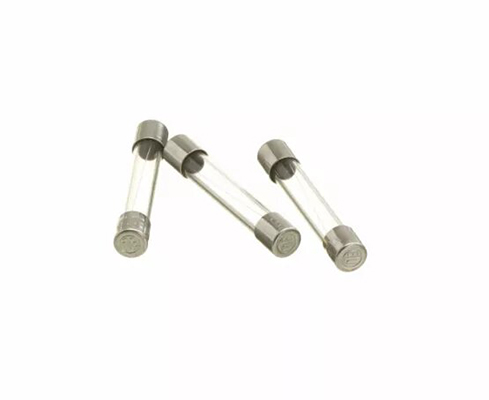
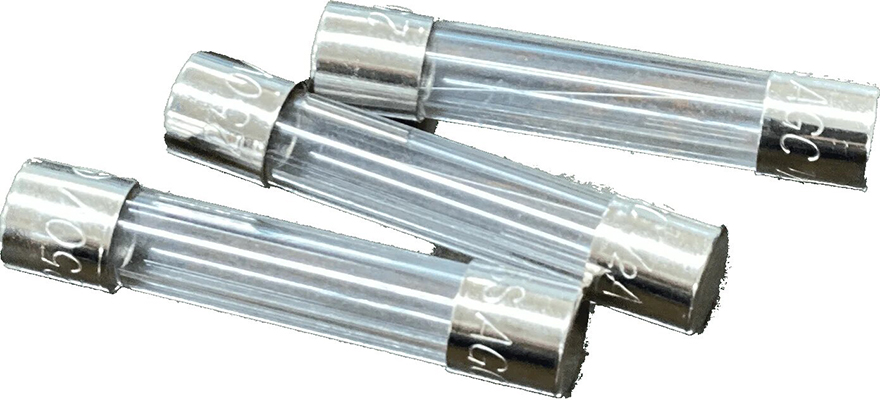
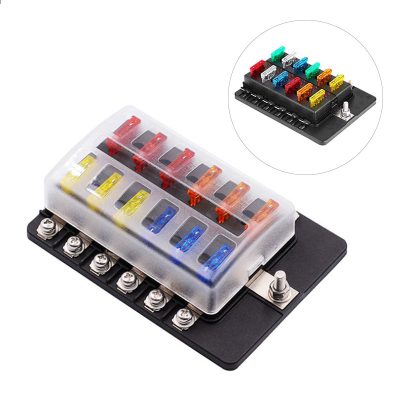
Reusable Component Auto Fuse Enabling Cost Saving Vehicle Electrical Repairs And Maintenance
News 2025-12-08
Reusable component auto fuses are gaining attention across the automotive repair ecosystem as a practical way to cut electrical maintenance costs while maintaining high safety margins. Unlike disposable blade or glass fuses that must be replaced after every overcurrent event, these components can be reset and returned to service. This capability supports sustainable repair strategies, reduces waste, and helps workshops, fleet operators, and OEM service centers keep vehicles on the road with shorter downtimes.
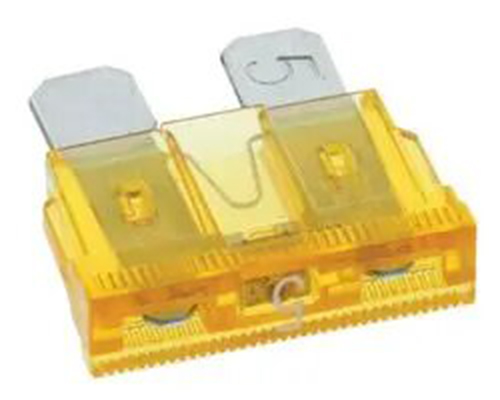
Key Function And Construction
Reusable auto fuses typically integrate a precision thermal or electronic trip mechanism housed in a robust casing compatible with standard fuse boxes or dedicated holders. When current exceeds a calibrated threshold, the internal element opens the circuit, protecting harnesses, ECUs, lighting systems, and auxiliary equipment from heat damage. After the fault is cleared, the technician can restore continuity either by manual reset or by allowing an auto‑reset design to cool and reclose. Quality devices are engineered to meet automotive temperature ranges, vibration levels, and chemical exposure, supporting long service life under harsh conditions.
Application Scenarios In Modern Vehicles
These fuses are well suited to circuits where troubleshooting and repeated testing are common, such as infotainment retrofits, aftermarket lighting, ADAS sensor power lines, and accessory power outlets in commercial fleets. In diagnostic bays, reusable fuses allow technicians to isolate intermittent shorts or miswired add‑ons without constantly consuming replacement parts. Large logistics fleets can deploy them on frequently serviced circuits powering telematics units, refrigeration systems, and liftgate motors, lowering parts inventory and minimizing unplanned downtime. They also provide value in specialty vehicles, including emergency response units and construction machinery, where electrical loads are high and configurations often change.
Performance Advantages And Cost Savings
The primary advantage is the combination of precise overcurrent protection and repeated usability. High‑grade reusable fuses maintain stable trip curves, ensuring that sensitive electronics receive the same level of protection as they would from traditional single‑use fuses. The ability to reset instead of replace translates directly into reduced consumable spending, especially in high‑service environments. Over the life of a vehicle, fewer discarded fuses support environmental targets and simplify inventory management. From a technical perspective, these fuses offer consistent performance over a broad temperature range, low contact resistance, and compatibility with standard automotive voltage levels, securing both safety and system efficiency.
Selection, Installation, And Safety Considerations
When specifying a reusable auto fuse, engineers and buyers must match voltage rating, continuous current rating, interrupt capacity, and mounting style to the target application. Compliance with relevant automotive standards and OEM specifications is critical. During installation, the fuse should be placed in an accessible location, labeled clearly, and paired with appropriately sized conductors and connectors. Technicians should verify that the reset mechanism functions correctly and that cycle life ratings meet expected usage patterns. Proper fault analysis remains important: if a fuse trips repeatedly, the underlying wiring, load, or control module must be inspected to avoid overheating or nuisance resets.
FAQs On Reusable Auto Fuses
1How does a reusable auto fuse differ from a standard blade fuse?
A reusable auto fuse can be reset and used again after a trip event, while a standard blade fuse must be replaced once its element melts and opens the circuit.
2Are reusable auto fuses suitable for all vehicle circuits?
They are suitable for many low‑voltage automotive circuits, but critical safety systems may still require OEM‑specified single‑use fuses, so designers should follow manufacturer recommendations.
3Do reusable auto fuses affect diagnostic procedures?
They streamline diagnostics by allowing repeated fault testing without consuming new fuses, but technicians must still investigate the root cause of any overcurrent condition.