Robust Wire Harness Structures for Automotive Exhaust System Sensors Electricals
News 2025-10-31
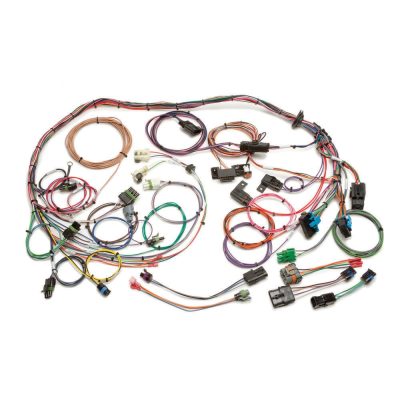
In the automotive industry, wire harnesses play a crucial role in connecting sensors within the exhaust system, ensuring precise monitoring of emissions and engine performance. These structures must withstand extreme conditions, including high temperatures, vibrations, and corrosive environments, to maintain reliable electrical connections. As vehicles evolve with stricter emission regulations, the demand for durable wire harness designs has intensified, directly impacting fuel efficiency and regulatory compliance. This article explores the engineering behind robust wire harnesses tailored for exhaust system sensors, highlighting their integration into modern automotive electrical systems.
Application Scenarios
Wire harnesses in automotive exhaust systems are essential for sensors like oxygen and NOx detectors, which monitor exhaust gases to optimize combustion and reduce pollutants. For instance, in hybrid and electric vehicles, these harnesses connect sensors to the engine control unit, enabling real-time data for adaptive driving modes. They are also critical in heavy-duty trucks, where harsh under-hood conditions demand materials that resist thermal cycling and chemical exposure. By facilitating seamless data transmission, these structures support advanced diagnostics, helping mechanics identify issues early and prevent costly repairs.
Performance Advantages
Engineered with high-grade insulators and protective sheathing, robust wire harnesses offer superior resistance to heat up to 200°C and mechanical stress, ensuring long-term functionality. Their design minimizes electromagnetic interference, which is vital for accurate sensor readings in noisy electrical environments. Additionally, these harnesses feature compact routing that saves space and reduces weight, contributing to better fuel economy. Compared to standard designs, they exhibit lower failure rates, enhancing overall vehicle safety and reliability in demanding applications like off-road or high-mileage scenarios.
1. What materials are commonly used in these wire harnesses?
Answer: High-temperature resistant polymers and metals like copper or aluminum alloys are typical, providing durability against heat and corrosion.
2. How do robust structures enhance sensor accuracy?
Answer: By shielding wires from environmental factors and reducing signal noise, they ensure precise data transmission for better emission control.
3. What factors influence the design of exhaust system wire harnesses?
Answer: Considerations include thermal management, vibration resistance, and integration with vehicle electronics to meet regulatory standards.