Rugged Battery Box Solutions for Off-Road Vehicles in Extreme Terrain Environments
News 2025-11-17
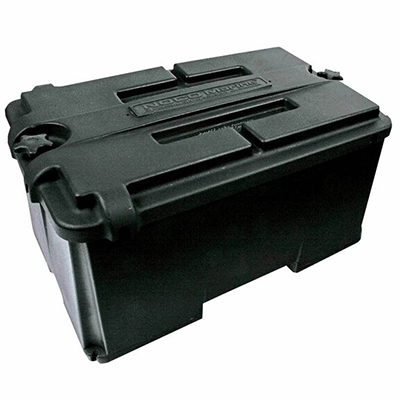
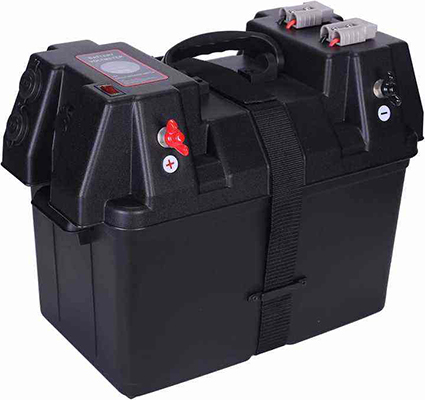
Rugged battery box off-road vehicles withstands harsh terrain impacts
Demand for durable power systems in off-road platforms
Off-road utility trucks, mining haulers, military tactical vehicles, and overlanding SUVs face constant shock, mud, dust, and vibration. Their electrical architecture depends on high-capacity battery packs for starting, winches, lighting, communications, and onboard electronics. A rugged battery box forms the protective shell that keeps cells secure and operational when the chassis encounters rocks, ruts, and steep gradients. By isolating the energy storage system from mechanical abuse and environmental contamination, the enclosure directly influences uptime, safety, and lifetime cost of ownership, especially in remote regions where service support is limited.
Key construction features and mechanical protection
A high-performance off-road battery box typically uses reinforced steel or aluminum alloy with thick walls, welded seams, and structural ribs. Impact-resistant design allows the enclosure to absorb or deflect shocks from underbody strikes and repeated suspension compression. Precision mounting brackets distribute load away from the battery terminals, preventing cracks and internal plate damage. Gasketed lids, compression latches, and drainage channels help keep out water, mud, and abrasive dust while allowing controlled venting. Corrosion-resistant coatings and hardware are vital for vehicles exposed to salt spray, humidity, or chemical washdown in construction, agriculture, and defense applications.
Thermal management, sealing, and electrical safety
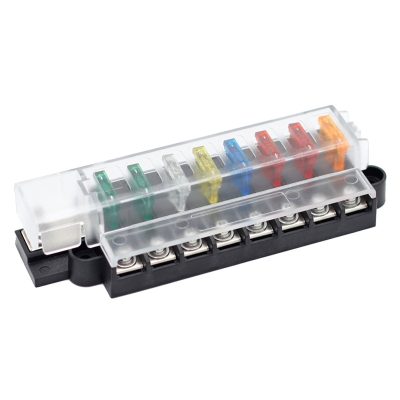
As off-road vehicles transition to higher-capacity AGM, gel, or lithium battery packs, thermal control inside the battery box becomes increasingly important. Properly engineered enclosures integrate ventilation paths, flame arrestor vents, or optional active cooling plates to maintain stable operating temperatures during high current discharge from winches or inverters. IP-rated seals and cable glands protect against water ingress while maintaining insulation integrity. Integrated strain relief for high-current cables reduces stress at connections on corrugated tracks. Many designs provide built-in fuse holders, busbars, and clearly labeled terminals, simplifying safe installation and reducing wiring errors in harsh field conditions.
Application scenarios and performance benefits
In rock crawling rigs and desert racing vehicles, rugged battery boxes prevent momentary power loss during impacts that could disable steering assist or engine management. Utility fleets working in forestry and pipeline inspection rely on robust enclosures to safeguard power for GPS, telemetry, and work lights during long shifts far from depots. Military and law enforcement vehicles benefit from protected batteries that support radios, jammers, and surveillance payloads while withstanding explosion shock waves and rapid maneuvering. Enhanced mechanical stability, improved sealing, and optimized thermal behavior translate directly into longer battery life, reduced maintenance intervals, and improved electrical system reliability under demanding terrain.
Installation flexibility and maintenance considerations
Modern rugged battery box designs support frame-rail, underbody, or cargo-area mounting so integrators can position the energy source near inverters or power distribution units. Quick-release latches, hinged covers, and internal cable routing channels make inspection and replacement faster, even when the vehicle is coated in mud. Some enclosures accommodate modular configurations with multiple 12 V or 24 V packs for scalable energy storage in expedition builds or mobile workshops. Clear labeling, integrated ventilation checks, and standardized form factors simplify work for technicians and help fleet operators enforce consistent maintenance procedures across mixed off-road platforms.
1. How does a rugged battery box help on rocky trails?
A reinforced enclosure shields the battery from harsh vibration and sudden impacts, preventing internal damage, disconnection, or short circuits when the chassis strikes rocks or drops into deep ruts.
2. Can these battery boxes handle water crossings and mud?
Yes, designs with sealed lids, gaskets, and rated cable glands limit water and mud intrusion, protecting terminals and electronics while still allowing controlled venting for safe battery operation.
3. Are rugged battery boxes compatible with lithium battery packs?
Most modern rugged enclosures support lithium formats, provided the box offers suitable dimensions, thermal management, and secure mounting to meet the specific requirements of the chosen lithium chemistry.