Satellite radio fuse shields receivers against electrical damage in demanding environments
News 2025-11-17
Satellite radio fuse shields satellite radio receiver from electrical damage by interrupting abnormal current before it reaches sensitive RF circuitry. In modern vehicles, marine vessels, and fixed satellite terminals, receivers operate near high-current harnesses, inductive loads, and transient-prone power rails. A dedicated satellite radio fuse tailored to these conditions prevents overcurrent, short-circuit events, and wiring faults from propagating into tuner modules and baseband processors, maintaining signal integrity and long-term reliability.
Key role of satellite radio fuses in receiver protection
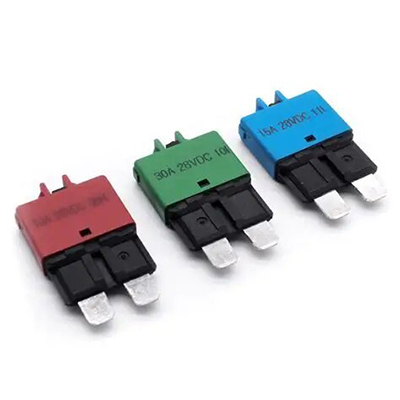
Satellite radio fuses are engineered to respond quickly to excessive current while maintaining low resistance during normal operation. They are typically installed on the 12 V or 24 V supply line feeding the satellite tuner, low-noise amplifier, and control logic. When a fault occurs, the fuse element melts at a calibrated temperature, opening the circuit and isolating the receiver from the power source. Correct fuse selection minimizes nuisance openings caused by inrush currents yet reacts fast enough to shield RF front ends and DAC/ADC stages from destructive surges. This balance is crucial in vehicles, where cold-crank, alternator load dump, and harness chafing represent constant threats.
Application scenarios in automotive, marine, and fixed installations
In automotive satellite radio systems, the fuse usually sits inside the head unit or a dedicated satellite radio module near the dashboard, trunk, or under-seat location. It protects against wiring shorts in the antenna coax harness, power leads routed through pillars, and connector damage during service. Marine satellite receivers, exposed to salt fog, vibration, and moisture ingress, rely on fuses to prevent corrosion-induced shorts from destroying sealed RF enclosures. Commercial fleets and off-highway machines deploy satellite radios for telematics and infotainment; fuses help maintain uptime in harsh off-road environments where cable damage is common. Residential and commercial satellite tuners benefit as well, as a properly rated fuse guards installations that share power circuits with HVAC compressors and other noisy loads.
Performance advantages and selection parameters
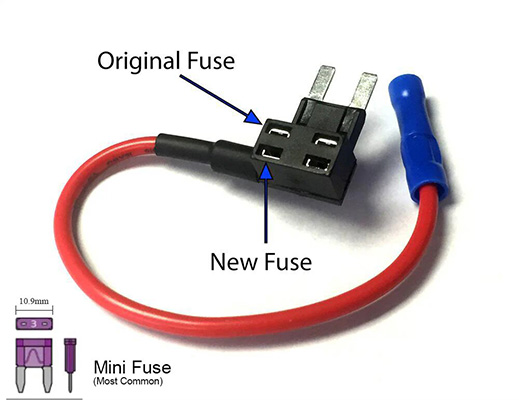
Performance advantages of a dedicated satellite radio fuse include low voltage drop, tight opening tolerances, and consistent behavior across a wide temperature range. Fast-acting, ATO or mini-blade fuses are often used in 12 V platforms, while micro fuses or surface-mount devices serve compact, high-density boards. Key selection parameters include rated current, voltage rating, breaking capacity, time-current characteristics, and ambient temperature profile. Engineers also consider mechanical format and vibration resistance to ensure enduring contact stability. An optimized fuse prevents overheating of wiring, reduces the risk of fire, and protects high-value RF ICs, allowing designers to avoid costly shielding or overdimensioned power traces.
System integration, standards, and maintenance
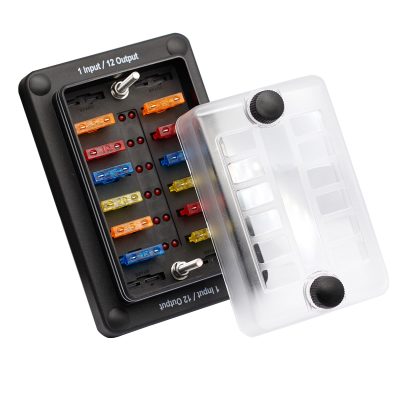
Successful integration demands careful placement of the fuse close to the power entry point of the satellite radio module. Designers follow automotive standards such as ISO and OEM-specific requirements covering overcurrent protection and harness design. Using color-coded and clearly labeled fuse positions simplifies diagnostics during service, letting technicians quickly replace a blown fuse instead of misdiagnosing tuner failure. Regular inspection in fleets and marine systems helps detect repeated fuse openings, often indicating underlying harness or grounding issues. When paired with surge suppression devices and proper grounding, the satellite radio fuse becomes a central element in an EMC-conscious design that preserves clear reception and stable operation over the entire lifetime of the receiver.
1. Why does a satellite radio receiver need a dedicated fuse?
A dedicated fuse isolates the receiver from wiring faults, short circuits, and overcurrent events, preventing permanent damage to sensitive RF and baseband components.
2. How do I choose the correct fuse rating for a satellite radio module?
Select a rating slightly above the maximum continuous operating current, verify time-current curves against inrush behavior, and confirm voltage and breaking capacity meet the system requirements.
3. Where should the fuse be installed in a satellite radio system?
Install the fuse as close as possible to the power source feeding the satellite radio module, ideally at the module’s power entry point or in the main vehicle or equipment fuse box.