Shock-Resistant Battery Box Enhancing On-Road Safety for Automotive Power Systems
News 2025-11-17
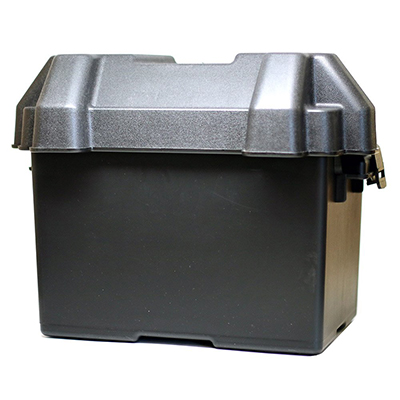
Shock-resistant battery boxes are becoming a key element in modern automotive power systems, especially as vehicles face harsher operating conditions and higher electrical demands. From conventional cars to off-road trucks, RVs, and emerging electric platforms, the battery must remain protected from vibration, moisture, debris, and accidental impact. A dedicated housing designed to resist mechanical shock safeguards the battery, stabilizes performance, and reduces unexpected downtime during long-distance travel or demanding work cycles.
Key Application Scenarios in Automotive Travel
Shock-resistant battery boxes are widely used in passenger vehicles, commercial fleets, special-purpose vehicles, and recreational platforms. In trucks and delivery vans, they help protect starting and auxiliary batteries from constant road vibration and abrupt braking. Off-road SUVs, agricultural machinery, and construction equipment rely on rugged housings to withstand gravel, potholes, and uneven terrain. RVs and camper vans use reinforced boxes to secure large-capacity deep-cycle batteries that power lighting, refrigeration, and infotainment systems. In emerging EV conversions or hybrid retrofits, sealed battery boxes support safe installation in underbody or rear compartments where exposure to dust, spray, or stone impact is frequent.
Structural Design and Performance Benefits
A high-quality shock-resistant battery box combines robust mechanical design with precise dimensioning to match industry-standard battery sizes. Thickened walls, internal ribs, and reinforced corners distribute impact forces and dampen vibration transmitted from the chassis. Integrated rubber mounts, foam inserts, or elastic straps fix the battery in position, minimizing micro-movement that accelerates plate shedding or terminal fatigue. High-strength engineering plastics or corrosion-resistant metals maintain structural integrity under temperature fluctuations, chemical exposure, and prolonged use. This design approach improves service life, maintains stable voltage output, and reduces the risk of sudden battery failure during travel.
Protection Features and Safety Compliance
Modern battery boxes for automotive use incorporate multiple protective features aligned with industry safety standards. Lockable lids and secure latching mechanisms prevent accidental opening during a collision or strong vibration. Venting channels or integrated breather valves guide gases away from sensitive components, especially when using flooded lead-acid batteries. Flame-retardant materials and sealed cable entry points reduce the chance of short circuits caused by conductive dust, metal tools, or fluid leaks. Many products are designed to comply with automotive-grade ingress protection ratings, helping shield the battery from rain, road splash, and salt spray that can lead to corrosion or current leakage.
Installation, Maintenance, and Cost Efficiency
Shock-resistant battery boxes are engineered for straightforward installation in engine bays, underbody frames, tool compartments, or rear cargo areas. Predefined mounting holes match common chassis brackets, while adjustable clamps accommodate variations in battery length and height. Clear labeling for polarity and cable routing helps technicians perform safe, repeatable installations and quick service checks. By reducing vibration-induced damage and preventing environmental contamination, these enclosures extend battery replacement intervals and lower lifecycle costs for fleet operators. Enhanced durability not only supports stable vehicle starting performance but also ensures auxiliary loads such as telematics devices, refrigeration units, or winches operate within their specified voltage range during continuous travel.
FAQs on Shock-Resistant Automotive Battery Boxes
1. How does a shock-resistant battery box improve battery life?
By isolating the battery from severe vibration and impacts, the box reduces internal plate damage, cracked casings, and terminal loosening, helping the battery maintain capacity and deliver consistent starting power over a longer service period.
2. Can these battery boxes be used in off-road and RV applications?
Yes, they are specifically designed for environments with frequent shocks, steep inclines, and long driving hours, making them suitable for off-road vehicles, RVs, vans, and trailers that carry large auxiliary batteries.
3. What factors should be considered when selecting a battery box?
Key considerations include vehicle type, battery dimensions and chemistry, mounting location, required ingress protection rating, ventilation needs, and compatibility with existing brackets and cabling layouts.