Standard-Sized Thermal Fuse Enhancing Universal Mount Compatibility In Diverse Vehicle Platforms
News 2025-11-27
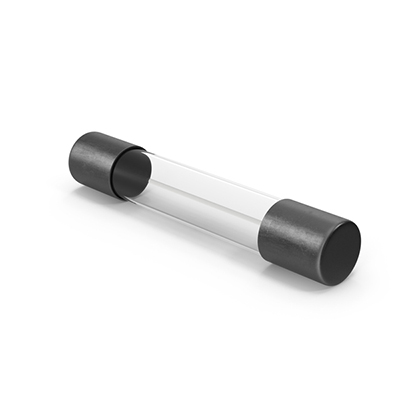
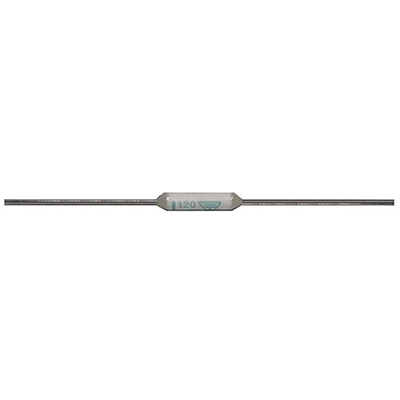
Standard-sized thermal fuses are increasingly specified across modern vehicle platforms to protect wiring harnesses, PTC heaters, DC motors, and power electronics from thermal overload. By matching common automotive packaging dimensions and contact pitches, a single fuse format can drop into universal mounts already present in many dashboards, HVAC modules, battery packs, and seat-control assemblies. This alignment reduces design complexity and shortens validation cycles, while helping OEMs meet stringent safety requirements and electrical protection standards.
Universal Fit Across Multiple Vehicle Models
Universal mounting dimensions enable one thermal fuse variant to be deployed across compact cars, SUVs, commercial vans, and light trucks. The standard-sized body typically matches existing clips, spring contacts, or PCB footprints, letting engineers reuse established mechanical interfaces. Harness suppliers benefit from stable tooling, and aftermarket service teams can stock a single replacement part covering a broad vehicle range. This cross-platform compatibility directly supports scalable platform strategies, especially in global vehicle programs sharing common HVAC or seat-heating architectures.
Key Performance Features And Safety Benefits
The fuse integrates a precisely calibrated thermal pellet or alloy element that permanently opens when a defined temperature is reached, usually in the 115–240 °C range depending on application. Fast, irreversible interruption prevents overheating of surrounding plastics, foam padding, and nearby wiring in confined spaces. High dielectric strength, low contact resistance, and tight trip-temperature tolerance contribute to stable performance over extended service life. Many standard-sized units are rated for automotive voltage levels and vibration conditions, ensuring that safety performance is maintained under harsh on-road environments and during continuous thermal cycling.
Typical Automotive Application Scenarios
In HVAC blower systems, the thermal fuse is often mounted near the resistor pack or PTC heater element, safeguarding against blocked air vents, motor stalling, or dust accumulation that can elevate local temperature. Seat and steering wheel heaters integrate the same standard-sized fuse inside foam or behind trim panels, providing last-resort cut-off if control electronics malfunction. EV battery modules and on-board chargers may use these fuses as secondary thermal protection around DC/DC converters, auxiliary heaters, and junction boxes. Because the fuse shares a universal mounting footprint, engineers can easily redeploy the same component across interior comfort systems, powertrain auxiliaries, and body-electronics modules.
Design, Integration, And Cost Advantages
Using a standard-sized thermal fuse simplifies PCB and harness layout, allowing designers to rely on proven land patterns and clip geometries. Reduced part-number diversity lowers inventory cost and streamlines procurement across global manufacturing sites. Validation teams can leverage common test data and established failure-mode analyses, accelerating compliance to automotive quality frameworks such as IATF 16949 and common OEM specifications. The consistent form factor also supports quick field replacement, improving serviceability and reducing downtime when thermal protection components need to be renewed.
1. What mounting interfaces does the standard-sized thermal fuse support?
It generally fits snap-in metal clips, crimp terminals, or dedicated PCB pads that follow common automotive spacing and lead dimensions, enabling plug-in use across multiple modules.
2. Where is this fuse most often installed in vehicles?
Typical locations include HVAC heater assemblies, blower motor housings, seat and steering wheel heaters, battery-pack auxiliaries, and power-electronic junction boxes.
3. How does it enhance safety compared to temperature sensors alone?
Unlike sensors that only monitor conditions, the thermal fuse provides a passive, permanent cut-off at a defined temperature, ensuring circuit isolation even if control software or relays fail.