Thermal Fuse Temperature-Sensitive Protection Keeps Automotive Electrical Systems Safe
News 2025-11-17
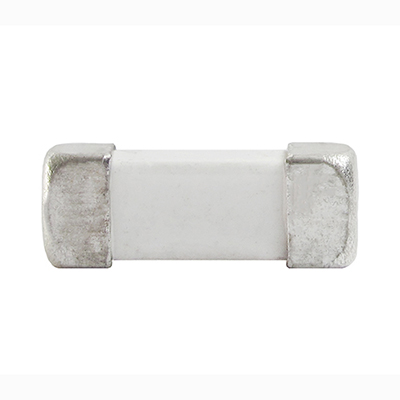
Thermal fuse temperature-sensitive protection prevents vehicle electrical overheating by interrupting current when abnormal heat builds up in wiring harnesses, control modules, and battery circuits. Unlike resettable protectors, a thermal fuse reacts once and permanently opens the circuit at a precisely calibrated temperature. This behavior is crucial in modern vehicles packed with high-density electronics, where localized overheating may occur long before a conventional circuit breaker detects an overcurrent fault.
Working principle and design characteristics
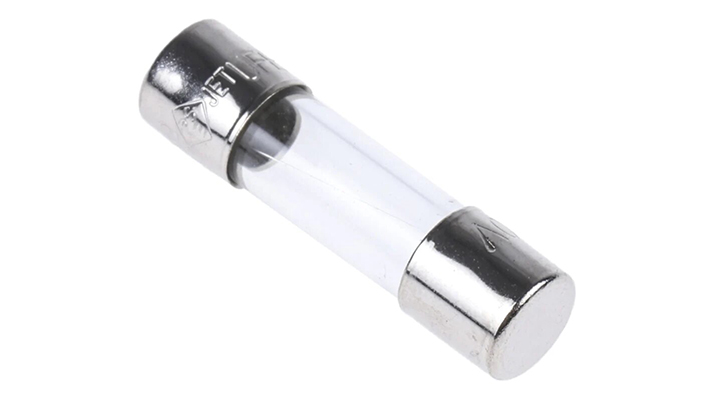
A thermal fuse contains a temperature-sensitive pellet, alloy, or organic material that melts or decomposes at a specified cutoff point. When the rated temperature is reached, spring pressure or mechanical separation drives the internal contacts apart, creating a non-resettable open circuit. Key design parameters include rated functioning temperature (Tf), holding temperature (Th), and maximum temperature limit (Tm). In automotive applications, engineers select fuses with narrow tolerance bands to match the thermal profile of wiring, coils, LEDs, and DC‑DC converter stages, ensuring accurate activation without nuisance tripping during normal engine-bay temperature fluctuations.
Automotive application scenarios
Thermal fuses protect a wide range of vehicle systems where overheating can trigger insulation damage, smoke, or fire. Typical use cases include blower motors in HVAC systems, seat heaters, PTC cabin heaters, window defoggers, fuel pump controllers, on-board chargers, and high-power USB or wireless charging modules. In electric and hybrid vehicles, thermal fuses are integrated into battery pack harnesses, junction boxes, and high-voltage auxiliary circuits to add a final safety layer beyond electronic monitoring. They are also used near LED driver boards in headlamps and rear lights, where compact housings can trap heat and gradually degrade plastic components.
Performance advantages and safety benefits
Compared to resettable devices such as PTC thermistors, a thermal fuse provides a clear, fail-safe open state when a defined abnormal temperature is reached. This prevents repeated cycling under fault conditions and simplifies fault analysis during service. The compact size allows installation directly in wiring looms, inside motor windings, or on transformer cores, enabling fast response to local hot spots rather than relying only on ambient sensors. Low resistance in the normal state minimizes power loss and heat generation, supporting higher energy efficiency in advanced driver assistance systems, infotainment units, and power distribution modules.
Integration, standards, and selection tips
When selecting a thermal fuse for vehicle platforms, designers evaluate voltage rating, interrupt current capability, environmental sealing, and vibration resistance. Compliance with automotive quality standards such as IATF 16949 and AEC-Q200 is often required, particularly in safety-related subsystems. Proper mechanical mounting is vital: the fuse must be thermally coupled to the component it protects, yet electrically insulated as specified. Soldering profiles must respect the device’s maximum temperature rating to avoid premature damage. Coordinating thermal fuses with fuses, relays, and MOSFET switches in the power architecture produces layered protection that meets OEM safety and warranty expectations.
Common questions about thermal fuse protection in vehicles
1. How does a thermal fuse differ from a standard automotive fuse?
A standard fuse reacts to excessive current, while a thermal fuse reacts to excessive temperature. Both may be used together so that current and heat are independently controlled.
2. Can a blown thermal fuse be reset or reused?
No. Once the internal element has operated, the thermal fuse remains permanently open and must be replaced to restore the circuit.
3. Where should a thermal fuse be placed in an automotive circuit?
It should be installed close to the heat source, such as motor windings, heater elements, or LED driver boards, ensuring the device senses real component temperature rather than distant ambient air.