Thin Walled Structure Auto Fuse Enhancing Low Volume Vehicle Electrical Systems
News 2025-12-08
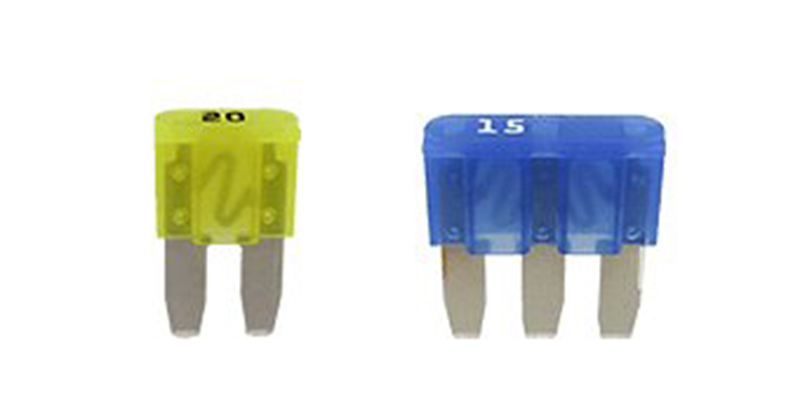
Thin walled structure auto fuses are tailored to protect low volume vehicle electrical systems where custom harnesses, limited production runs, and specialized loads are common. These applications demand compact protection devices that respond quickly to overcurrent conditions while maintaining stable performance across a wide temperature range. By using a reduced cross‑section element inside a thermally optimized housing, thin walled fuses achieve precise melting characteristics suited to sensitive electronic modules, auxiliary battery packs, and add‑on power distribution units used in specialty vehicles.

Design Characteristics of Thin Walled Auto Fuses
Thin walled auto fuses use a narrow metallic link calibrated for specific current ratings and I²t values, allowing accurate coordination with wiring gauge and downstream ECUs. The small thermal mass provides rapid response to short circuits while still tolerating inrush currents from motors, pumps, and LED drivers. Their compact blade or bolt‑on footprints simplify integration in low volume fuse boxes and custom junction blocks, where PCB and cable space is limited. High‑temperature plastics, tin‑plated terminals, and low contact resistance construction support consistent protection performance in harsh under‑hood environments.
Performance Benefits in Low Volume Vehicle Applications
In small series vehicles such as specialty trucks, electric conversions, off‑highway machines, and prototype platforms, current paths often differ from mass‑market designs. Thin walled auto fuses enable engineers to tune protection to unique duty cycles, intermittent loads, and auxiliary high‑power circuits. The fast interruption capability reduces the risk of harness damage, connector overheating, and ECU failure during wiring faults. Narrow time‑current tolerance bands support accurate selectivity between main fuses and branch circuits, minimizing nuisance trips while preserving fault isolation, which is crucial when diagnostic resources are limited in low volume fleets.
Key Application Scenarios and Integration Practices
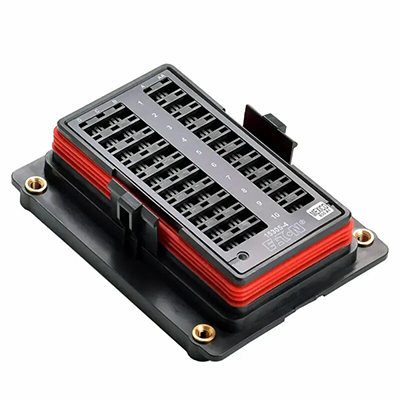
Typical use cases include battery junction boxes in low volume EVs, power distribution for body builders adding lifting equipment, and custom control panels in agricultural or municipal vehicles. Thin walled fuses fit well in modular holders and sealed fuse blocks, enabling flexible arrangement of ratings as system configurations evolve. Best practice is to size the fuse according to continuous load at 125–150 percent of nominal current while verifying ambient temperature, conductor cross‑section, and expected surge profiles. Proper labelling and service documentation help maintenance personnel quickly locate and replace fuses, reducing downtime in specialized fleets.
Selection, Testing, and Maintenance Considerations
When selecting a thin walled auto fuse, engineers should review voltage rating, interrupting capacity, and vibration resistance along with current rating. Pre‑production testing under worst‑case scenarios such as cold cranking, high ambient operation, and repeated short‑duration overloads validates coordination with relays, DC/DC converters, and battery management systems. Maintenance programs should include visual inspection for discoloration of housings or terminals, torque checks on bolt‑down versions, and replacement only with identical rating and type. Using high‑quality branded parts reduces variability that might otherwise affect fault clearing times in low volume vehicle platforms.
1、What is the main advantage of a thin walled auto fuse in custom vehicles?
The main advantage is fast, precise overcurrent protection tuned to unique load profiles and wiring layouts found in low volume or specialty vehicles.
2、Where are thin walled auto fuses typically installed in low volume systems?
They are commonly installed in battery junction boxes, auxiliary power distribution modules, and custom fuse blocks protecting ECUs, pumps, lighting, and actuation circuits.
3、How should engineers size a thin walled auto fuse for a new circuit?
Engineers typically select a rating based on 125–150 percent of continuous load current, while verifying cable size, ambient temperature, and inrush behavior to ensure both safety and stability.