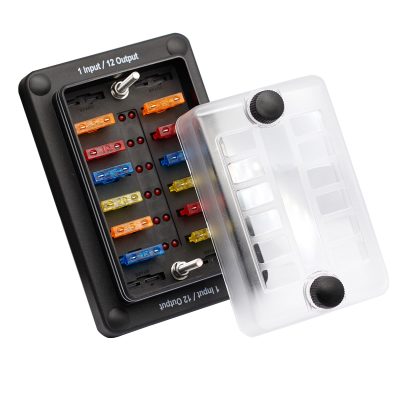
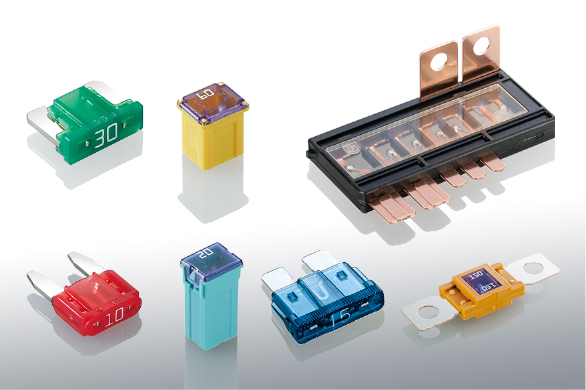
Transmission control fuse safeguards modern transmission electronic control unit systems
News 2025-11-17
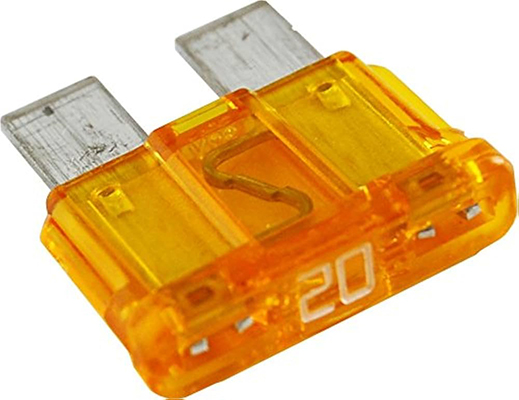
The transmission control fuse plays a decisive role in protecting the transmission electronic control unit (TCU) used in modern automatic and dual‑clutch gearboxes. As vehicles integrate more electronics, the TCU becomes the central node managing shift timing, clutch pressure, torque coordination, and diagnostic communication. Any electrical fault in the power supply line can damage this high‑value module, leading to costly repairs and downtime. By inserting a correctly rated fuse in the TCU supply path, manufacturers create a defined weak link that responds faster than semiconductor devices, preventing overcurrent from reaching sensitive control circuitry.
Working principle and circuit integration
The transmission control fuse is usually placed in the fuse box or power distribution center on a dedicated TCU feed. It is designed to open when current exceeds a predetermined threshold caused by short circuits, wiring abrasion, connector corrosion, or internal TCU failures. Designers typically combine this fuse with low‑drop voltage regulators, load‑dump protection, and transient voltage suppressors to create a robust power chain. Correct coordination between fuse rating, conductor cross‑section, and TCU inrush current ensures nuisance trips are avoided while guaranteeing safe interruption under fault conditions. This coordination is a central element in ISO 16750 and OEM‑specific electrical endurance requirements for transmission systems.
Application scenarios in modern drivetrains
In real‑world applications, the transmission control fuse protects TCUs in automatic transmissions, dual‑clutch transmissions, hybrid power‑split units, and increasingly in electrified drive modules. These control units manage electrohydraulic solenoids, mechatronic valve bodies, and communication over CAN or FlexRay networks. In hybrid and plug‑in hybrid vehicles, the TCU often interacts closely with the engine control unit and battery management system, so a local fuse prevents faults from propagating from the transmission harness into the wider powertrain network. Fleet vehicles, heavy‑duty commercial trucks, and construction machinery benefit greatly because harsh vibration, off‑road contamination, and frequent thermal cycling increase the risk of wiring damage and intermittent shorts.
Performance benefits and selection parameters
Key performance advantages of a dedicated transmission control fuse include precise overcurrent protection, predictable time‑current characteristics, and stable operation across a wide temperature range. Fast‑acting designs help shield MOSFET drivers, microcontrollers, and communication transceivers from catastrophic failure during short circuits. At the same time, properly chosen time‑delay behavior tolerates legitimate inrush caused by capacitors and actuators at ignition key‑on. When selecting a fuse, engineers evaluate continuous current load, peak inrush, system voltage (12 V or 24 V), ambient temperature, and expected fault profile. Matching these parameters enables higher TCU reliability, lowers warranty costs, and contributes to better long‑term shift quality as the electronics remain protected over the vehicle lifetime.
Design best practices and maintenance considerations
During development, OEMs and Tier‑1 suppliers perform fault‑injection testing to verify fuse opening under simulated shorts in the harness and connector interfaces. Proper fuse placement close to the power distribution node reduces conductor length exposed to unprotected high current. Clear labeling on the fuse box and consistent rating codes simplify service in workshops and dealer networks. From a maintenance perspective, technicians should inspect blown TCUs only after confirming the root cause of fuse failure, since simply replacing the fuse without resolving wiring or moisture ingress issues may lead to repeated outages. High‑quality fuses meeting automotive AEC or OEM validation standards provide stable resistance, accurate melting characteristics, and strong mechanical robustness against vibration.
Common questions on transmission control fuses
1. How does a transmission control fuse protect the TCU?
The fuse opens the power path when current exceeds its rated limit, preventing damaging fault energy from reaching sensitive electronic components inside the TCU.
2. What happens if a wrong fuse rating is used?
An underrated fuse may blow during normal operation and cause intermittent shifting issues, while an overrated fuse might not open during a fault, exposing the TCU and wiring to severe damage.
3. Why is fuse quality important in transmission applications?
High‑quality automotive‑grade fuses offer consistent time‑current behavior, withstand vibration and temperature extremes, and maintain stable protection performance over the entire vehicle life cycle.