Turn Signal Fuse Ensures Safe, Stable Operation in Modern Lighting Circuits
News 2025-11-17
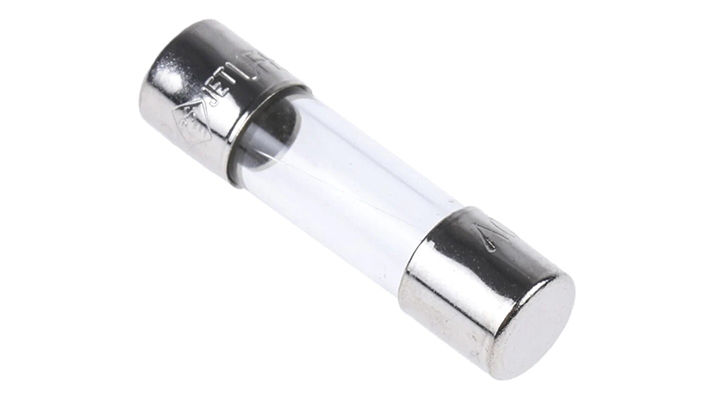
Turn signal fuse ensures turn signal circuits operate safely by interrupting abnormal current before it can damage switches, lamps, wiring, or electronic control modules. In automotive lighting systems, the turn signal fuse acts as a dedicated protection node, sized to match the rated load of incandescent bulbs or high‑efficiency LED assemblies. When correctly specified, this small component maintains circuit integrity, prevents overheating in harnesses running through cramped vehicle interiors, and supports compliance with global road safety standards.
Key Function and Protection Principles
A turn signal fuse is typically installed in the main fuse box, between the vehicle power supply and the turn indicator circuit. Its core function is to open the circuit rapidly once the current exceeds a calibrated threshold, often caused by short circuits, chafed insulation, or failed lamp modules. By breaking the circuit in milliseconds, the fuse limits thermal stress on copper conductors, protects plastic housings from melting, and shields flasher relays or body control modules from internal damage. This targeted protection reduces unplanned downtime and lowers maintenance costs throughout the vehicle’s service life.
Application Scenarios in Modern Vehicles
Turn signal fuses are widely used in passenger cars, commercial trucks, buses, motorcycles, and special-purpose vehicles such as construction machinery or emergency fleets. In each scenario, turn indicators operate under frequent on/off cycling, vibration, humidity, and temperature extremes. Dedicated fuses ensure that a single fault in the indicator branch does not impact other lighting functions such as headlights, brake lights, or daytime running lamps. In advanced architectures using LED arrays and smart flasher modules, appropriately rated fuses protect sensitive electronics from load dumps and transient surges generated by alternators or faulty wiring.
Performance Advantages and Selection Criteria
High‑quality turn signal fuses deliver stable current-limiting performance, precise melting characteristics, and strong endurance against vibration. When engineers select a fuse, key parameters include rated current, voltage rating, interrupting capacity, and time‑current curve. Matching these characteristics to the turn signal load ensures fast interruption during faults while avoiding nuisance blows during normal flashing. Low contact resistance minimizes power loss and heat generation in the fuse holder, supporting long-term reliability. Compliance with standards such as ISO and SAE helps vehicle manufacturers meet regulatory requirements and achieve consistent safety performance across different markets.
Installation, Maintenance, and Troubleshooting
Correct installation of a turn signal fuse requires using the specified fuse type and rating indicated by the vehicle manufacturer. Underrated fuses may blow frequently, while overrated versions can fail to protect the circuit during high‑current events. During troubleshooting, a non-functioning turn signal often points to a blown fuse caused by shorted lamp sockets, pinched harness sections, or water ingress in connectors. Regular inspection of the fuse box, visual checks for discoloration, and verification of secure seating in the holder help maintain consistent performance. In fleet applications, standardized fuse management simplifies preventive maintenance and supports rapid replacement during roadside service.
Practical Questions and Answers
1. How do I know the turn signal fuse rating is correct?
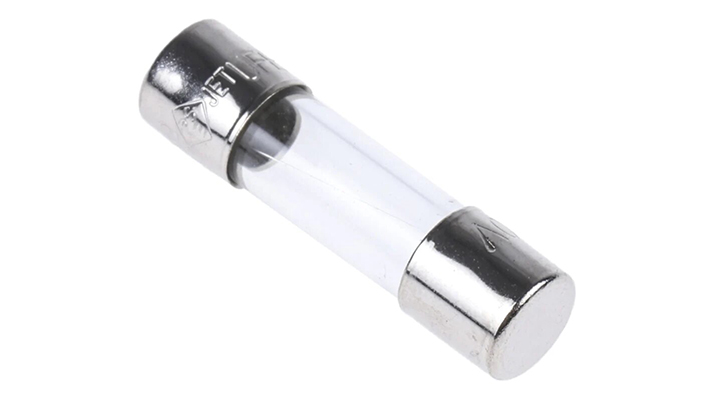
Check the vehicle fuse diagram or service manual and match the current rating, type, and physical size exactly; this ensures proper protection and avoids recurring failures.
2. Why does my new fuse blow again after replacement?
Repeated fuse failure usually indicates an underlying fault such as a shorted lamp, damaged harness, or corroded connector; the root cause must be repaired before the circuit can operate normally.
3. Can one fuse protect multiple lighting functions?
Some designs share a fuse across indicator and hazard circuits, but separating fuses for each function improves fault isolation and helps maintain other lighting operations if one branch fails.