Understanding 50A Glass Fuses and Their Critical Functions in Vehicle Circuits
News 2025-10-27
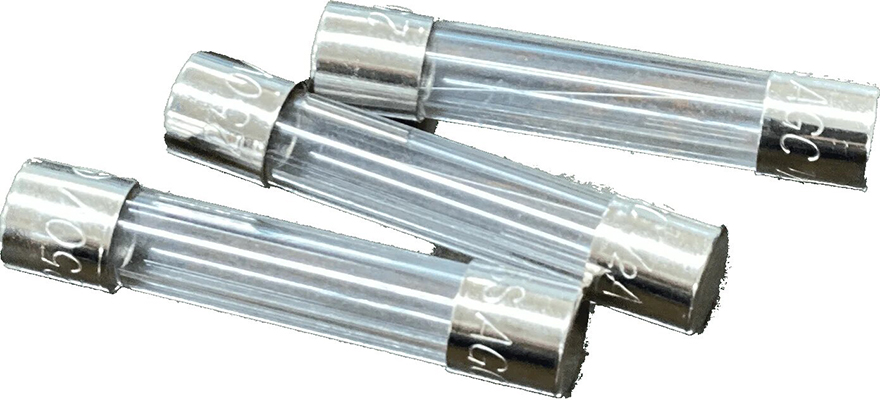
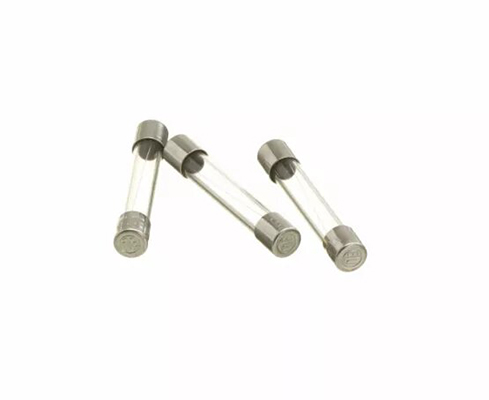
In the realm of automotive electrical systems, the 50A glass fuse serves as a vital component designed to protect circuits from excessive current. These fuses, typically made from durable glass tubes with metal end caps, are engineered to handle up to 50 amperes, making them ideal for high-demand applications in vehicles. By interrupting the flow of electricity when overloads occur, they prevent damage to wiring and components, ensuring reliable operation in cars, trucks, and other motorized vehicles. This type of fuse is particularly valued for its transparency, which allows for easy visual inspection of the element inside.
Glass fuses rated at 50A find extensive use in various parts of a vehicle’s electrical setup, including engine control units, lighting systems, and power distribution networks. In modern cars, they safeguard sensitive electronics from surges caused by starting motors or accessory loads. Their compact size and quick-response nature make them suitable for integration into fuse boxes under the hood or dashboard, enhancing safety in everyday driving scenarios like highway travel or off-road adventures. This application extends to electric vehicles, where they protect battery management systems from faults.
The 50A glass fuse offers several key benefits, including rapid response times that minimize potential damage during short circuits. Constructed with high-quality materials, these fuses provide excellent current-carrying capacity while maintaining low resistance for efficient energy flow. Their ability to handle vibrations and temperature fluctuations common in automotive environments ensures long-term durability, often outlasting other fuse types in harsh conditions. This reliability translates to cost savings by reducing the need for frequent replacements in fleet operations or personal vehicles.
1. What is the main purpose of a 50A glass fuse?
It protects automotive circuits by breaking the connection when current exceeds 50A, preventing overheating and fires.
2. Can these fuses be used in non-automotive applications?
Yes, they work in any system requiring overload protection, such as industrial controls or marine electronics.
3. How do you know when to replace a 50A glass fuse?
Replace it if the internal element is visibly broken or if the circuit fails to operate, indicating a potential overload event.