Vehicle-Specific Battery Box Solutions for Hybrid and Traditional Passenger Cars
News 2025-11-17
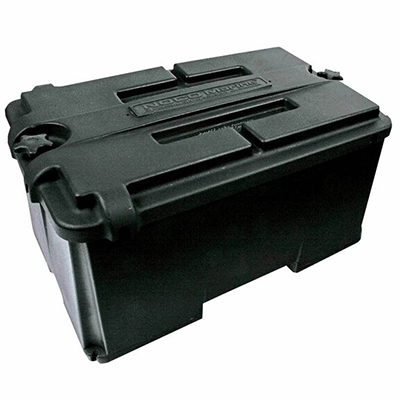
Hybridization of traditional passenger cars is pushing electrical architectures to new limits. A vehicle-specific battery box sits at the center of this shift, protecting high-density energy storage systems while integrating seamlessly with existing chassis layouts, wiring harnesses, and safety electronics. By tailoring the enclosure to each vehicle platform, manufacturers gain higher energy efficiency, safer operation, and simpler certification for both new hybrid models and upgraded internal-combustion fleets.
Structural Design and Thermal Management
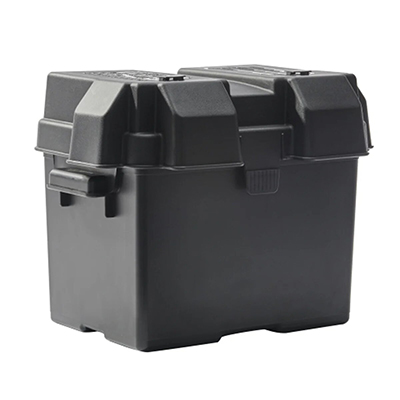
A vehicle-specific battery box is engineered around exact mounting points, load paths, and crash zones of each model. High-strength steel, aluminum, or composite panels form a rigid shell that resists impact, vibration, and road debris. Finite element analysis ensures the enclosure withstands torsion from the body and dynamic loads from braking or cornering. Integrated heat sinks, thermal pads, and airflow channels support stable cell temperatures, improving cycle life and charge acceptance. Optional liquid-cooling plates or phase-change materials can be incorporated into the base to manage heat in high-power hybrid systems without sacrificing underbody clearance.
Electrical Safety, Sealing, and Serviceability
For hybrid electric traditional cars, the battery box must isolate high voltage from occupants and low-voltage subsystems. Multi-layer insulation, creepage-optimized busbar routing, and flame-retardant gaskets help meet automotive safety standards such as ISO 6469 and UN ECE R100. IP67 or higher sealing protects cells and battery management electronics against water spray, flooding, and dust intrusion during real-world operation. At the same time, removable covers, quick-release connectors, and guided cable routing enable fast maintenance, state-of-health checks, and module replacement on the workshop floor, reducing downtime for fleet vehicles.
Application Scenarios in Hybrid and Conventional Platforms
The vehicle-specific battery box concept supports several configurations: mild hybrid systems integrating a compact 48 V pack near the front axle, full hybrid packs mounted beneath the rear seats, and plug-in hybrid arrays extending into the trunk floor. Commercial sedans used for ride-hailing, light-duty delivery vans, and corporate fleets gain improved fuel economy and reduced emissions without redesigning the entire chassis. Retrofit programs for existing internal-combustion models can install a dedicated battery enclosure into underutilized underbody cavities, enabling hybridization while preserving cargo capacity and crash performance ratings.
Performance Benefits and Integration with Power Electronics
A custom battery box optimizes cable lengths between pack, inverter, DC/DC converter, and onboard charger, lowering resistive losses and electromagnetic interference. Shorter, shielded harnesses support higher peak currents for acceleration boost and regenerative braking. The enclosure can host current sensors, pre-charge circuits, and contactors on integrated mounting rails, creating a compact energy module that simplifies assembly on the production line. Improved thermal stability and vibration damping translate into longer battery life, stable state-of-charge estimation, and consistent hybrid assist performance across the vehicle’s service life.
FAQs on Vehicle-Specific Battery Boxes
1. How does a vehicle-specific battery box improve safety?
The enclosure is tuned to vehicle crash structures, sealing requirements, and high-voltage isolation standards, reducing the risk of thermal events and electrical faults in real accidents.
2. Can traditional cars be upgraded using these battery boxes?
Yes, retrofit battery boxes are engineered to fit existing mounting points and underbody spaces, enabling hybrid upgrades for conventional models without major structural changes.
3. What impact does the battery box have on maintenance costs?
Standardized access panels, modular subpacks, and service-friendly connectors shorten inspection and replacement time, helping fleets lower long-term maintenance and downtime costs.