Vibration-Proof Thermal Fuse Design Ensures Safety In High-Dynamic Vehicle Environments
News 2025-11-27
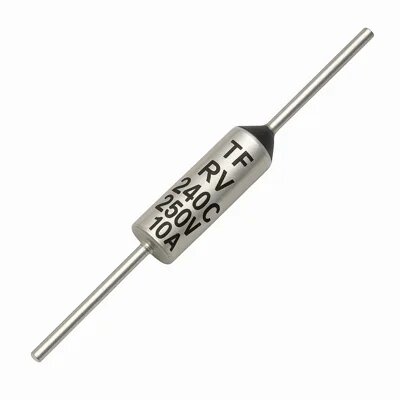
In modern vehicles, electrical protection components operate in harsh environments exposed to vibration, shock, and temperature cycling. A vibration-proof thermal fuse protects wiring, battery systems, and sensitive control modules by interrupting current when abnormal heat arises. Unlike standard fuses mounted in relatively calm locations, these devices are engineered to remain mechanically stable in high-movement zones such as engine bays, underbody junction boxes, and near electric drive units, preventing nuisance trips and ensuring consistent overtemperature protection.
Key Application Areas In Vehicles
Vibration-proof thermal fuses are widely used in electric and hybrid vehicle battery packs, DC-DC converters, on-board chargers, and cabin comfort systems. In traction battery assemblies, they are placed close to cell groups and busbars where localized overheating must be detected quickly despite continuous vibration from road conditions and powertrain operation. In engine compartments of conventional vehicles, they safeguard fan motors, alternator circuits, and exhaust aftertreatment heaters. They are also integrated into seat heaters, steering wheel heaters, and infotainment modules located near structural elements that experience constant motion and impact, such as door panels and center consoles.
Performance Features That Resist Vibration
The core advantage of a vibration-proof thermal fuse lies in its mechanical and thermal stability. Internal elements are reinforced through robust crimping, spot welding, and optimized spring tension, preventing contact chatter and premature opening when subjected to shock or continuous oscillation. Encapsulation materials and lead structures are selected to minimize fatigue and micro-movement at solder joints. Accurate opening temperature ratings are maintained even under fluctuating ambient conditions, ensuring predictable behavior over the full vehicle lifetime. Low contact resistance supports high current capability while keeping self-heating under control, which is essential in compact harnesses and densely packed electronic control units.
Integration, Mounting, And System-Level Benefits
Designers can integrate vibration-proof thermal fuses into harnesses, PCB assemblies, busbar modules, or molded connector housings. Radial and axial lead variants support through-hole mounting, while compact SMD options suit high-density control boards. Dedicated clips, cradles, or crimp terminals secure the fuse body against mechanical stress and prevent resonance at specific vibration frequencies. Once installed, the fuse enhances functional safety by limiting the risk of thermal runaway, connector melting, or wiring insulation damage in high-movement areas. The robust construction reduces maintenance events, minimizes warranty claims, and supports compliance with automotive safety standards such as ISO 26262 and relevant AEC-Q test protocols.
Selection Considerations And Design Tips
When selecting a vibration-proof thermal fuse, engineers evaluate rated opening temperature, current capacity, voltage level, and surge behavior, along with mechanical shock and vibration test data. Compatibility with typical automotive temperature ranges and exposure to fluids, dust, and humidity must be confirmed. Placement close to probable hot spots shortens reaction time, while ensuring that normal operating temperatures remain comfortably below the fuse threshold. During validation, combining electrical overload testing, shaker table vibration profiles, and thermal cycling verifies that the device will remain stable in service. Simulation and physical testing together help optimize fuse rating and mounting method within the overall vehicle electrical protection strategy.
1What distinguishes a vibration-proof thermal fuse in vehicle use?
It combines precise thermal trip characteristics with reinforced internal construction and secure mounting options that prevent false activation under continuous vibration and road shock.
2Where is a vibration-proof thermal fuse typically installed in a car?
Common locations include battery packs, engine compartments, underbody junction boxes, heated comfort systems, and control modules exposed to frequent movement or impact.
3How does this type of fuse improve safety in high-movement areas?
It reliably interrupts current when abnormal heating occurs, limiting damage to wiring and components, reducing fire risk, and supporting compliance with automotive functional safety requirements.