A Detailed Examination of Circuit Labeling Systems in Automotive Fuse Boxes for Improved Organization and Identification
News 2025-10-31
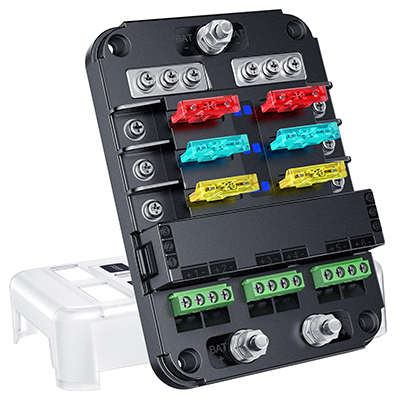
Automotive fuse boxes are critical components in vehicle electrical systems, serving as the central hub for protecting circuits from overloads and short circuits. Proper labeling of these circuits ensures that technicians and vehicle owners can quickly identify and address issues, reducing downtime and enhancing safety. Organized identification through clear, systematic labeling helps prevent errors that could lead to electrical failures or accidents. This article explores how effective circuit labeling in automotive fuse boxes contributes to better maintenance and reliability in various applications.
Application Scenarios in Automotive Systems
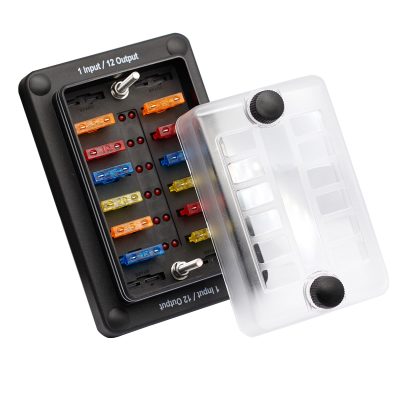
In modern vehicles, fuse box circuit labels play a vital role across multiple systems. For instance, in electric vehicles, labels aid in managing high-voltage circuits, ensuring safe handling during battery maintenance. In conventional cars, they are essential for identifying circuits related to lighting, engine control, and infotainment systems. This organization is particularly beneficial in complex setups like commercial fleets, where quick diagnostics can minimize operational disruptions. By providing clear references, labels facilitate efficient repairs in garages and on-road situations, improving overall vehicle uptime and user satisfaction.
Performance Advantages of Organized Labeling
Well-structured circuit labels offer significant benefits in terms of efficiency and safety. They enable faster fault detection by allowing users to pinpoint problematic circuits without extensive testing, which saves time and reduces costs. Additionally, standardized labeling enhances durability, with materials designed to withstand heat, vibration, and moisture, ensuring labels remain legible over time. This reliability minimizes the risk of miswiring or incorrect fuse replacements, thereby extending the lifespan of electrical components and preventing potential hazards like fires or system failures.
Frequently Asked Questions
1. What are the main benefits of using organized circuit labels in fuse boxes?
They improve safety by reducing errors during maintenance and enhance efficiency by speeding up troubleshooting processes.
2. How do circuit labels contribute to automotive safety standards?
Labels help comply with regulations by providing clear identification, which aids in preventing electrical mishaps and ensuring proper system integrity.
3. What factors should be considered when designing fuse box labels?
Consider durability, clarity, and standardization to ensure labels are effective in various environmental conditions and user scenarios.