Anti-theft system fuse design enhancing vehicle security system circuit protection
News 2025-11-17
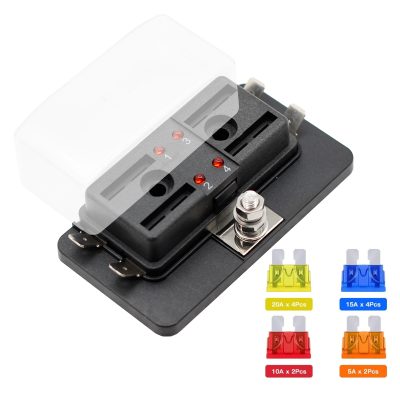
Modern vehicles integrate complex alarm modules, keyless entry, immobilizers, telematics, and tracking units, all powered by sensitive low-voltage electronics. Within this environment, the anti-theft system fuse plays a decisive role in safeguarding wiring harnesses and control modules against short circuits, overloads, and abnormal current spikes. By coordinating precisely rated fuses with security controllers, manufacturers prevent fire hazards, protect expensive ECUs, and maintain consistent anti-theft performance over the vehicle lifetime.
Key protective functions of anti-theft system fuses
The anti-theft system fuse is typically placed in the power supply line of the security control unit, siren, door locking actuators, and related sensors. When a wiring fault, damaged connector, or unauthorized modification causes an overcurrent condition, the fuse opens the circuit within milliseconds, isolating the fault zone. This rapid interruption avoids overheating of cables routed through dashboards, A-pillars, and engine bays. Proper fuse coordination also prevents cascading failures that might disable the immobilizer, allowing the vehicle to be started illegally. By maintaining selective protection levels, the fuse ensures that only the affected branch is disconnected while the rest of the safety architecture remains functional.
Application scenarios in modern vehicle security architectures
In passive entry and start systems, fuses protect RF receiver modules, proximity sensors, and electronic steering locks against voltage transients generated during jump-starts or battery replacement. Connected vehicles rely on telematics control units and GPS trackers to support stolen-vehicle recovery; dedicated fuses guard these modules from current surges induced by antenna faults or harness chafing. In commercial fleets, anti-theft systems often include door status monitoring, cargo area alarms, and external sirens exposed to harsh environments. Well-chosen fuses in these circuits tolerate vibration, temperature cycling, and humidity while still reacting fast to short circuits caused by water ingress or mechanical damage.
Performance characteristics and selection criteria
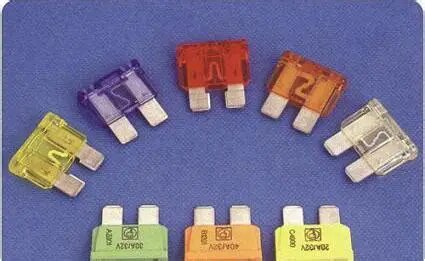
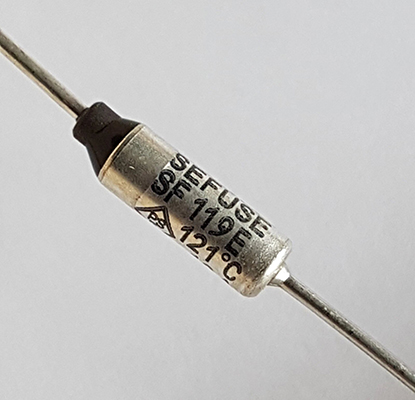
Engineers select fuse ratings by analyzing normal operating current, inrush peaks, and fault current expected in the anti-theft wiring network. Time-delay (slow-blow) fuses may be preferred for actuators and locking motors that require brief surge currents, whereas fast-acting types are used to protect sensitive microcontroller-based ECUs. Key parameters include rated voltage, interrupting capacity, I²t, and ambient temperature derating. Low-resistance designs reduce voltage drop and prevent nuisance triggering during cold starts or low battery conditions. Compliance with automotive standards such as ISO 8820 and AEC-Q certification ensures long-term stability under thermal shock, vibration, and chemical exposure typically encountered in engine compartments and under-dash locations.
Impact on system reliability, service, and cybersecurity
Robust fuse strategies support high system uptime by isolating localized faults while preserving core alarm and immobilizer functions. Clear labeling in fuse boxes and diagnostic documentation allows service technicians to quickly identify blown fuses and trace underlying wiring faults, reducing maintenance time. In aftermarket installations, correctly chosen fuses prevent damage to original harnesses when adding GPS trackers, additional sirens, or remote start modules. From a cybersecurity perspective, maintaining stable power to encryption-capable control units is crucial; well-protected circuits reduce the risk of brownout events that could leave ECUs in undefined states and open paths to manipulation.
1. What fuse rating is commonly used in anti-theft circuits?
The rating depends on system load, but many control units use 5–15 A blade fuses sized according to measured continuous current and inrush demands.
2. Can one fuse protect multiple security modules at once?
Yes, a single branch fuse can supply several modules, but segmentation into smaller protected branches is recommended to avoid losing all security functions due to one localized fault.
3. How often should anti-theft system fuses be inspected?
Fuses are not wear items, yet they should be checked during scheduled electrical inspections, after wiring modifications, or whenever the alarm or central locking system stops operating.