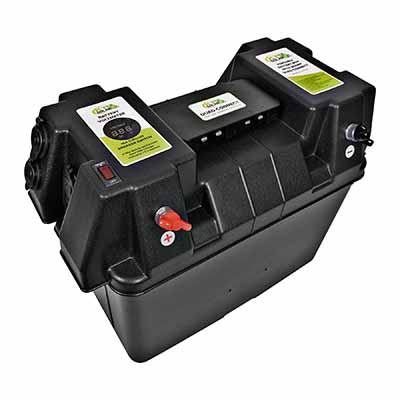
Automotive Battery Box Easy-Access Lid for Faster, Safer Maintenance in Modern Vehicles
News 2025-11-17
Regular maintenance of 12 V and high-voltage batteries is increasingly important as vehicles integrate more electronic systems and electrified powertrains. An automotive battery box with an easy-access lid is designed to simplify inspection, cleaning, replacement, and diagnostic work while maintaining strict safety and environmental protection. By combining mechanical robustness with user-friendly ergonomics, this type of enclosure enhances uptime for passenger cars, commercial fleets, off-highway equipment, and specialized electric vehicles.
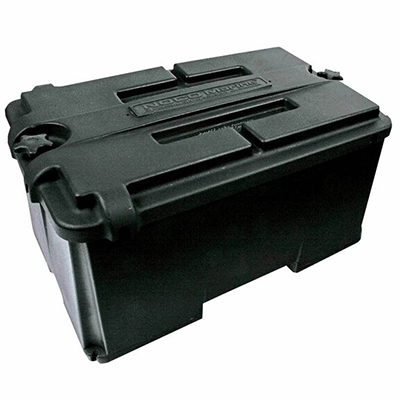
Structural Design and Material Performance
The easy-access lid is typically integrated into a sealed battery box constructed from high-impact thermoplastic or corrosion-resistant metal, such as coated steel or aluminum. Reinforced ribs, optimized hinge placement, and multi-point latching ensure that the box withstands road vibration, thermal cycling, and mechanical shock. UV-stable and flame-retardant materials help preserve structural integrity in harsh underhood and underbody locations. Gaskets and molded sealing lips support high ingress protection ratings, preventing dust, road spray, and salt from entering the compartment and compromising the terminals or battery casing.
Convenient Access and Safety Features
The lid is engineered for quick operation, enabling technicians or trained drivers to open the compartment with minimal tools, or sometimes tool-free, while still preventing accidental opening during vehicle operation. Clearly visible opening points, ergonomic pull tabs, and robust hinges reduce handling time in workshops, maintenance depots, and roadside service scenarios. Integrated locking options, tamper-evident seals, and clearly marked polarity zones support safe access in high-voltage applications. Venting channels and pressure-equalization elements can be incorporated to manage gases, reduce condensation, and maintain stable internal conditions.
Application Scenarios in Automotive and E-Mobility
Easy-access battery boxes are widely deployed in conventional vehicles where quick replacement of starter batteries is required for taxis, rental fleets, and logistics vehicles with tight service schedules. In hybrid and battery-electric platforms, serviceable auxiliary batteries power control units, telematics, lighting, and safety systems; a fast-opening lid minimizes downtime during diagnostic checks and scheduled replacements. Specialty vehicles such as municipal service trucks, construction machinery, and agricultural equipment benefit from front-line maintenance capability, allowing technicians to handle battery issues directly in the field without complex disassembly of surrounding bodywork.
Performance Advantages for OEMs and System Integrators
For automotive OEMs and system integrators, adopting an easy-access lid concept streamlines assembly, service procedures, and aftermarket support. Reduced service time translates into lower lifetime operating costs and improved availability of fleet vehicles. The enclosure’s optimized thermal behavior and secure sealing help stabilize battery temperature and slow down degradation, supporting longer cycle life and consistent cranking or energy-delivery performance. Standardized mounting points, cable-routing guides, and accessory interfaces allow the same battery box architecture to be deployed across multiple platforms, improving parts commonality and simplifying inventory.
FAQ: Practical Use and Integration
1. How does an easy-access lid improve workshop efficiency?
The quick-opening mechanism shortens the time needed to inspect terminals, measure voltage, or replace a battery, enabling technicians to handle more vehicles per shift and reducing vehicle downtime.
2. Is the battery box suitable for high-voltage systems?
Yes, versions tailored for high-voltage applications incorporate enhanced insulation distances, robust locking features, and clear safety labeling to support safe maintenance of electric and hybrid vehicles.
3. Can the enclosure be customized for different vehicle platforms?
Manufacturers typically offer modular designs with configurable mounting brackets, cable exits, and venting options so that OEMs and body builders can adapt the same core battery box to diverse vehicle layouts.