Automotive Battery Box Fleet Management for Long-Term Protection and Performance
News 2025-11-17
Automotive battery box fleet management delivers reliable protection for electric and hybrid vehicles operating in demanding duty cycles. As fleets electrify, hundreds or thousands of battery enclosures must be monitored, protected, and serviced with precision. A dedicated management approach safeguards pack integrity, supports uptime, and extends service life, while meeting strict automotive safety and sustainability regulations.
Key Application Scenarios in Modern Fleets
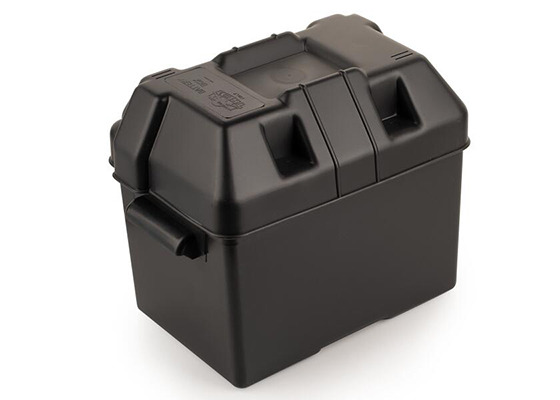
Automotive battery boxes are now deployed in city buses, logistics vans, ride‑hailing cars, construction machinery, and municipal service vehicles. Fleet management systems track each enclosure’s location, temperature history, vibration exposure, and maintenance records. In urban delivery fleets, high stop‑and‑go frequency causes frequent thermal cycling; robust boxes with monitored seals prevent moisture ingress and connector fatigue. In off‑highway equipment, enclosures must resist heavy shock and airborne dust, demanding reinforced housings and filtered ventilation. Centralized dashboards aggregate data from all vehicles, helping operators allocate vehicles with the healthiest battery boxes to high‑priority routes and schedule service before issues influence availability.
Performance Advantages of Managed Battery Enclosures
A managed battery box strategy significantly improves electrical safety and energy efficiency. High‑strength, corrosion‑resistant metals or engineered polymers combine with gasketed lids to maintain IP‑rated protection against water and contaminants. Integrated temperature, humidity, and insulation‑resistance sensors feed directly into the fleet platform, enabling early detection of leakage, hotspot formation, or abnormal current paths. By maintaining stable thermal and mechanical conditions, the enclosure reduces stress on cells, busbars, and BMS electronics, translating into better cycle life and consistent power delivery. Lower failure rates decrease unscheduled downtime, while predictive replacement of enclosure components keeps vehicles on the road and protects total cost of ownership.
Integration with Telematics and Power Electronics
Modern fleet management links the battery box to telematics, charging infrastructure, and vehicle control units. CAN or Ethernet gateways inside the box transmit real‑time status of pack voltage, isolation resistance, and contactor health. During fast charging, the system verifies that vents, pressure‑relief components, and thermal interfaces perform within defined limits. When deviations appear, alerts guide technicians to a specific enclosure and connector pair, shortening diagnostic time. Close coordination with DC fast chargers and depot energy management systems improves load balancing and peak‑shaving strategies, since accurate enclosure data supports safer high‑current operation and optimized charging windows.
Design Considerations for Long Service Life
For large fleets, battery box design must consider manufacturability, serviceability, and regulatory compliance from the outset. Standardized mounting points and connector layouts simplify replacement across different vehicle models. Fire‑retardant materials, EMI shielding, and pressure‑relief paths support compliance with automotive and transportation standards. Removable covers with defined torque specifications enable fast access while preserving sealing performance. Over the vehicle lifetime, modular components such as brackets, seals, and harnesses can be replaced without scrapping the entire enclosure, reducing waste and supporting sustainability targets.
FAQ on Fleet Battery Box Management
1. How does monitoring improve fleet safety?
Continuous monitoring of temperature, insulation resistance, and enclosure integrity allows early detection of anomalies, reducing the risk of thermal events and electrical faults across the fleet.
2. What data is most valuable for operators?
Operators benefit most from trend data on temperature, state of health, humidity, and vibration, combined with location and usage profiles, to plan maintenance and optimize deployment.
3. Why standardize battery box designs?
Standardized enclosure designs shorten repair times, simplify spare‑parts logistics, and enable consistent protection performance across diverse vehicle platforms.