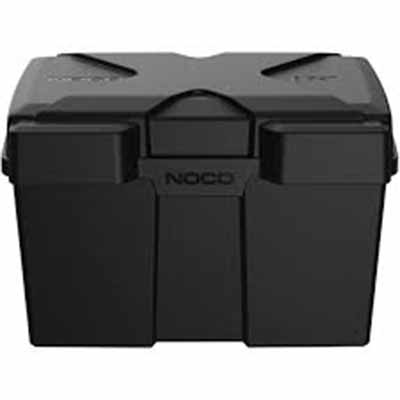
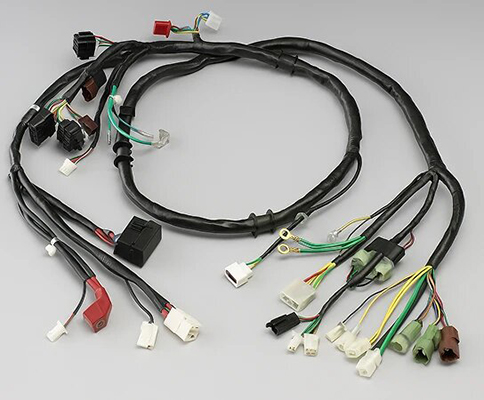
Automotive Battery Box High-Grade ABS Plastic Ensures Long-Term Durability in Demanding Environments
News 2025-11-17
High-grade ABS plastic battery boxes are becoming a key component in modern automotive power systems, from traditional starter batteries to high-capacity packs used in mild hybrid and full electric platforms. As vehicles integrate more electronics, sensors, and auxiliary loads, the enclosure that protects the battery must offer more than simple containment. It needs to ensure mechanical integrity, electrical safety, thermal stability, and resistance to harsh environmental factors while supporting efficient installation and maintenance.
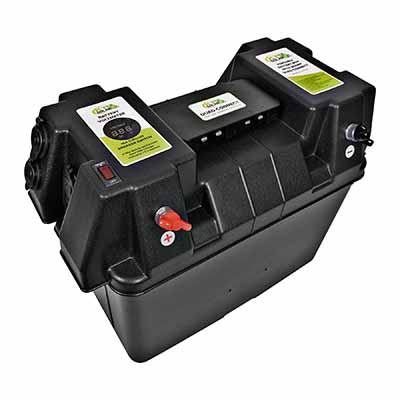
Material Properties That Support Long-Term Durability
ABS (Acrylonitrile Butadiene Styrene) stands out in automotive battery box applications due to its excellent balance of impact strength, dimensional stability, and processability. High-grade ABS formulations maintain rigidity across a wide temperature range, helping the enclosure resist deformation under engine-bay heat or cold-climate conditions. The material’s inherent impact resistance protects cells and terminals from shocks, road vibrations, and minor collisions. Chemical resistance to automotive fluids such as brake fluid, coolant, and lubricants further safeguards the enclosure from degradation over years of service. In addition, ABS can be engineered with flame-retardant and UV-stabilized additives, extending service life in under-hood and exterior-mounted configurations.
Key Performance Advantages in Electrical and Thermal Management
The electrical insulation properties of high-grade ABS are central to safe battery design. The plastic enclosure minimizes the risk of short circuits between terminals and nearby metallic components, contributing to stable system performance. ABS can be precisely molded to include integrated ribbing, cable routing, and terminal covers, which reduce assembly complexity and improve spacing for creepage and clearance. Thermal performance is equally important: while ABS is not a primary heat sink, its dimensional stability under temperature cycling ensures that vent paths, gaskets, and seals remain effective. This stable geometry helps manage internal pressure and venting for flooded and AGM lead-acid batteries, as well as higher-energy lithium-ion packs used in start-stop and hybrid systems.
Application Scenarios Across Conventional and New Energy Vehicles
Automotive battery boxes made from high-grade ABS plastic are used in multiple vehicle zones, including engine compartments, trunk-mounted battery bays, under-seat locations, and chassis-level modules in commercial vehicles. In passenger cars, compact ABS housings support start-stop systems that cycle more frequently than traditional SLI batteries, demanding robust enclosure performance over elevated duty cycles. In light commercial vehicles and logistics fleets, large-capacity auxiliary batteries for telematics, refrigeration, and tail lift systems rely on ABS boxes that can withstand continuous vibration and outdoor exposure. Electric and hybrid platforms benefit from customizable ABS designs that accommodate sensor integration, high-current connectors, and service access panels, supporting efficient pack layout while preserving structural integrity.
Design Considerations and Integration With Automotive Standards
Designing an ABS battery box for long-term durability requires alignment with automotive standards such as IP protection ratings, thermal cycling tests, vibration profiles, and flammability requirements. Engineers optimize wall thickness, rib placement, and locking mechanisms to resist mechanical stress without adding unnecessary weight. High-grade ABS works well with injection molding, enabling repeatable production of complex geometries, including snap-fit covers, reinforcement ribs, drain channels, and mounting tabs compatible with vehicle body structures. Integration with sensors for temperature and state-of-charge monitoring can be achieved through molded-in fixtures and sealed cable interfaces, enhancing diagnostic capability while preserving enclosure sealing performance and safety margins.
FAQ: High-Grade ABS Automotive Battery Boxes
1. How does high-grade ABS plastic improve battery safety?
High-grade ABS offers strong electrical insulation, impact resistance, and stable geometry under temperature cycling, reducing the risk of short circuits, mechanical damage, and seal failure around battery vents and terminals.
2. Where are ABS battery boxes typically used in vehicles?
They are commonly installed in engine bays, trunk compartments, under-seat locations, and chassis-mounted auxiliary systems in passenger cars, commercial vehicles, and hybrid or electric platforms.
3. What design features are important for ABS battery box longevity?
Key features include optimized wall thickness, reinforced ribs, robust mounting points, sealed cable entries, and compatibility with automotive test standards for vibration, thermal cycling, fluid exposure, and flammability.