Wire Harness Technologies for Enhanced Safety in Automotive Lane Departure Warning and Collision Detection Systems
News 2025-10-31
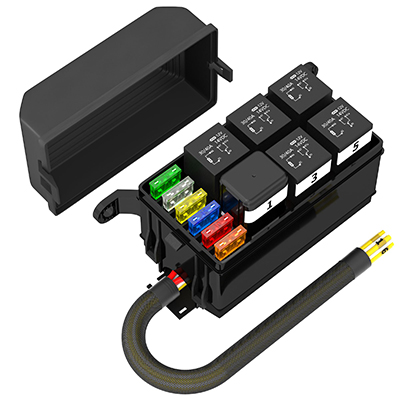
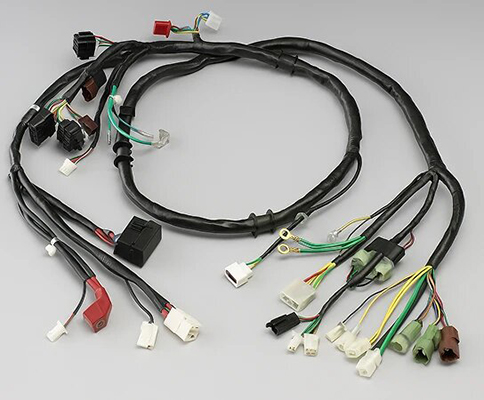
Wire harnesses play a crucial role in modern automotive systems, particularly in safety features like lane departure warning and collision detection. These components bundle wires, connectors, and terminals to ensure efficient electrical signal transmission, which is vital for the reliable operation of advanced driver assistance systems (ADAS). As vehicles become more sophisticated, the demand for high-quality wire harnesses grows, supporting features that help prevent accidents and enhance overall road safety. This article explores how wire harness technologies contribute to these critical automotive electricals, focusing on their integration and benefits in real-world applications.
Applications in Lane Departure Warning Systems
Wire harnesses are essential in lane departure warning systems, where they connect sensors, cameras, and control units. In typical setups, harnesses route signals from lane-keeping cameras mounted on the windshield to the vehicle’s electronic control unit (ECU). This setup allows for real-time monitoring of lane markings and alerts drivers through audio or visual cues if unintended lane drifting occurs. For instance, in highway driving scenarios, these harnesses must handle high-speed data transmission while enduring vibrations and temperature fluctuations, making them indispensable for maintaining system accuracy and responsiveness in diverse driving conditions.
Performance Advantages in Collision Warning Electricals
In collision warning systems, wire harnesses offer significant performance gains by providing robust and interference-free connections between radar sensors, braking systems, and warning indicators. Their design minimizes electromagnetic interference, ensuring precise detection of obstacles and timely activation of alerts. Key advantages include enhanced durability against environmental factors like moisture and heat, which are common in automotive settings. This reliability reduces false alarms and improves system efficiency, ultimately contributing to better crash avoidance. By optimizing weight and space, modern harnesses also support energy efficiency, aligning with industry trends toward lighter, more sustainable vehicle designs.
Frequently Asked Questions
1. What is the primary function of a wire harness in automotive safety systems?
It bundles and protects wires to facilitate reliable electrical connections, ensuring components like sensors and ECUs communicate effectively for features such as lane departure and collision warnings.
2. How do wire harnesses impact the reliability of collision detection?
They provide shielded pathways that reduce signal noise, leading to more accurate detection and fewer system errors in high-stakes situations like emergency braking.
3. What factors should be considered when designing wire harnesses for ADAS?
Key factors include material resistance to wear, compatibility with vehicle electronics, and the ability to handle high data rates to support advanced safety functionalities.