Automotive Battery Box Lockable Lid for Secure Energy Storage and Theft Prevention
News 2025-11-17
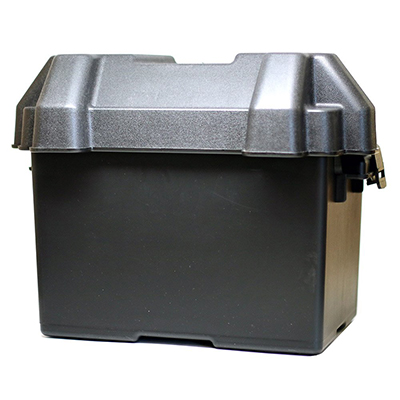
Modern vehicles, off-road equipment, and marine platforms increasingly rely on high-value traction batteries. As battery capacity and cost rise, the need for secure storage inside or outside the vehicle becomes a priority. An automotive battery box with a lockable lid offers mechanical protection, weather resistance, and an added security layer against theft or tampering. By combining rugged materials, engineered ventilation, and dedicated locking mechanisms, these enclosures protect both the battery investment and the surrounding electrical system.
Key Design Features of Lockable Battery Boxes
A lockable battery box is typically built from impact-resistant plastics or corrosion-proof coated metal, designed to withstand vibration, road debris, and aggressive environments. The lid is reinforced at the latch area, providing a solid interface for padlocks or integrated key locks. Gasketed sealing lines protect against water ingress and dust, supporting IP-rated performance in underbody or exterior mounting. Cable entry points use strain relief and grommets to prevent abrasion, while internal tie-downs keep the battery firmly in place. This combination of structural strength and secure closure is crucial for vehicles operating in demanding fleets and harsh climates.
Performance Benefits for Safety and Service Life
Beyond theft prevention, the lockable lid contributes to electrical safety and extended battery life. A closed, secured enclosure reduces the risk of accidental short circuits caused by tools, loose cargo, or conductive contaminants. Many designs integrate venting channels or flame-arrestor vents to safely direct gases away from sensitive electronics and passenger areas. Thermal stability is improved by shielding the battery from direct sunlight, water spray, and mud, which helps maintain consistent operating temperatures. By minimizing mechanical shock, moisture, and contamination, the battery experiences fewer failure modes and more predictable performance across its service interval.
Typical Application Scenarios in Vehicles and Equipment
Lockable battery boxes are widely used in commercial trucks, buses, emergency vehicles, construction machinery, and recreational vehicles where exposed battery mounting is common. In utility trailers, caravans, and marine applications, the enclosure can be mounted on the frame, in compartments, or on deck without sacrificing security. Fleet operators value the ability to standardize on one enclosure size with configurable brackets, supporting quick replacement in the field. For off-grid power systems and auxiliary battery packs driving winches, inverters, and communication equipment, the lockable lid ensures that batteries remain secure in public parking areas and remote job sites.
Integration, Installation, and Security Considerations
When integrating a lockable battery box, engineers assess available space, cable routing, ventilation, and required protection level. The enclosure should be installed on robust mounting points, using corrosion-resistant hardware, with attention to ease of service access. Lock selection is important: key-alike options help fleet maintenance, while tamper-resistant padlocks enhance security in exposed locations. For high-value lithium battery packs, the box can be combined with alarm sensors or GPS-based anti-theft systems. Clear labeling on the exterior, indicating battery chemistry and voltage, supports compliance with safety standards and simplifies troubleshooting.
1When should a lockable battery box be specified?
A lockable enclosure is recommended whenever batteries are mounted outside the cabin, in shared parking areas, on trailers, or on equipment that remains unattended for long periods, especially when using high-cost deep-cycle or lithium packs.
2Does a lockable lid affect battery ventilation?
Properly designed enclosures provide controlled vent paths and grommeted cable exits, maintaining safe gas dispersion while protecting against water and dust. Engineers should match the box design to the battery type and ventilation requirements.
3Can one battery box fit different battery formats?
Many automotive battery boxes feature adjustable hold-downs and flexible cable routing to accommodate various group sizes and chemistries, enabling platform standardization across multiple vehicle models and applications.