Automotive Battery Box Secure Closure Enhances Safety and Consistent Power Integrity
News 2025-11-17
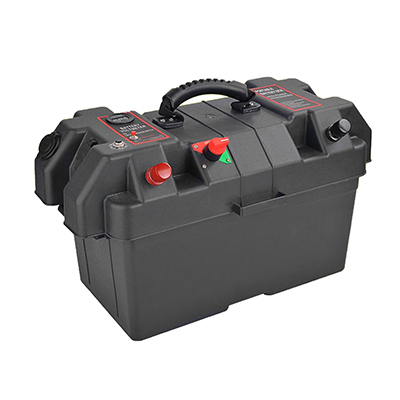
Automotive battery box secure closure ensures reliable vehicle battery protection by shielding high‑value energy storage systems from vibration, moisture, dust, and impact. In modern electric and hybrid platforms, the enclosure system and its locking hardware are as important as the cells and BMS. A well‑engineered closure maintains stable clamping force, controls sealing compression, and supports stringent automotive safety and EMC requirements. For OEMs and tier suppliers, the right closure architecture directly affects service life, warranty performance, and brand perception.
Key Application Scenarios in Modern Vehicles
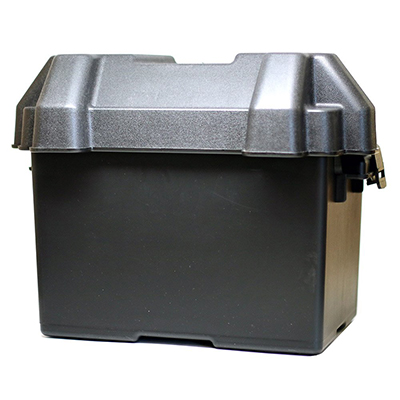
Secure closure solutions are widely used in traction battery packs for BEV and PHEV models, 12 V auxiliary battery boxes, and backup power modules for ADAS, telematics, and emergency steering systems. Off‑highway machinery, commercial trucks, and buses rely on reinforced battery enclosures to withstand harsh duty cycles and frequent thermal shock. In underbody packs, closure systems must resist stone impact, road salt, and high‑pressure water spray from cleaning operations. Engine compartment battery boxes demand high temperature tolerance and chemical resistance to oils and coolants. These scenarios require closure designs that maintain sealing integrity throughout repeated charge–discharge cycles and chassis flex.
Performance Advantages of Secure Closure Mechanisms
High‑performance closure mechanisms combine mechanical robustness with precise gasket compression to achieve IP‑rated protection against water and dust ingress. Engineered latches and fasteners provide consistent torque and prevent loosening under torsional vibration. Corrosion‑resistant materials, such as stainless steel or coated high‑strength steel, extend service life in aggressive environments. Optimized load distribution reduces stress on plastic or aluminum housings, minimizing deformation that could compromise sealing. By stabilizing the internal environment, secure closure helps the battery maintain narrow operating temperature windows, supports accurate BMS measurements, and reduces the risk of leakage, short circuits, or thermal events.
Design Considerations for OEMs and Component Suppliers
During platform development, engineers must balance serviceability, manufacturability, and safety requirements when defining the closure concept. Modular latch systems or captive fasteners can shorten assembly time and enable repeatable maintenance in the field. Integration with pressure relief valves and venting membranes allows the box to manage internal gas buildup without sacrificing environmental protection. Locking features can be paired with tamper‑evident elements to support regulatory compliance and warranty control. Compatibility with automated assembly lines, including robotic tightening and inline torque verification, further improves quality consistency. Detailed finite element analysis and vibration testing help validate that the closure system will retain its mechanical and sealing performance throughout the vehicle lifetime.
Impact on System Reliability and Safety Compliance
A secure battery box closure contributes directly to compliance with automotive safety and environmental standards, including UNECE R100 for electric powertrain safety and various OEM‑specific validation protocols. Stable enclosure performance reduces failure rates linked to moisture ingress, connector corrosion, and particulate contamination. This improves uptime for fleets and reduces maintenance costs for end users. For high‑voltage packs, robust closure hardware supports safe isolation during crashes and enhances fire mitigation strategies by keeping protection layers correctly positioned. In connected vehicles, where continuous power is vital for telematics and security functions, dependable closure performance underpins uninterrupted operation and consistent data logging.
1、How does a secure closure improve battery life?
By preventing moisture and contaminants from entering the battery box, the closure preserves stable electrical interfaces, reduces corrosion, and helps keep temperature variations under control, which collectively prolongs battery cycle life.
2、Which industries benefit most from robust battery box closure systems?
Passenger cars, commercial trucks, buses, construction machinery, agricultural equipment, and industrial energy storage platforms all gain higher uptime and lower maintenance when using durable enclosure and closure solutions.
3、What features should designers prioritize when selecting closure hardware?
Designers should focus on vibration resistance, corrosion protection, consistent gasket compression, ease of assembly, compatibility with automated tightening, and proven performance under thermal cycling and mechanical shock.