Automotive Battery Box Shock Absorption Handles Harsh Road Conditions Safely
News 2025-11-17
Automotive battery box shock absorption handles rough road conditions
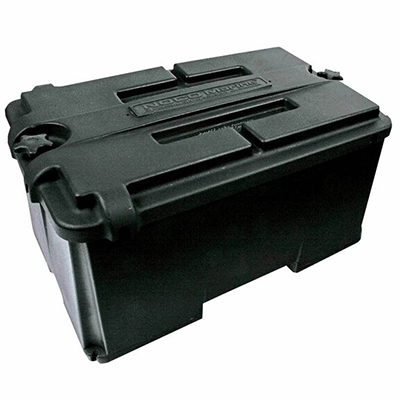
Engineering Role of Battery Box Shock Absorption
Battery packs in modern vehicles are exposed to persistent vibration, impact, and thermal stress. Shock absorption structures in the battery box isolate cells and BMS electronics from chassis-borne loads caused by potholes, cobblestones, off‑road tracks, and sudden braking. By controlling acceleration peaks and vibration frequency, these designs protect welds, busbars, connectors, and PCBs from fatigue and microcracks. In electric vehicles, where the battery is mounted low in the floor, optimized damping directly supports vehicle safety, range stability, and lifecycle cost reduction.
Key Design Features and Performance Advantages
High-performance battery box shock absorption uses a combination of elastomer mounts, energy‑absorbing foams, rubber‑metal bushings, and tuned structural ribs. Materials are selected for high resilience, low compression set, and chemical resistance to electrolytes, road salt, and oils. Finite element analysis and multi‑axis vibration testing validate that the system maintains cell compression windows, reduces peak g‑loads, and minimizes resonance within critical frequency bands. The result is higher cycle life, fewer field failures, and stable electrical performance even under aggressive driving conditions. For OEMs, robust damping brings lower warranty rates and stronger safety margins.
Typical Application Scenarios in Harsh Environments
Battery box shock absorption plays a key role in passenger EVs, commercial vans, heavy trucks, and construction or mining equipment. City delivery vehicles endure frequent curb impacts and speed bumps, while buses and long‑haul trucks face long‑duration vibration on uneven highways. Off‑highway machinery must withstand continuous shocks from gravel, ruts, and steep gradients. In all these applications, a dedicated damping concept in the battery enclosure keeps energy storage modules securely located, maintains insulation clearances, and prevents chafing of cables or cooling pipes, even when the vehicle operates at full load on demanding routes.
Integration with Thermal and Safety Architecture
Effective shock absorption must align with thermal management and safety requirements. Spacers, pads, and mounts are designed so that vibration isolation does not obstruct coolant channels or airflow paths. Materials are chosen to meet flammability ratings, thermal stability, and outgassing limits required by automotive standards such as ISO 16750 and UN ECE R100. The shock‑absorbing layout supports crash performance by guiding deformation away from battery cells and high‑voltage components. This integrated approach ensures that the battery enclosure provides mechanical protection, thermal stability, and electrical isolation throughout the vehicle lifetime.
Testing, Validation, and Selection Guidelines
Manufacturers validate battery box shock absorption through random vibration, mechanical shock, and road‑load simulations on shaker tables and complete vehicle tests. Data from accelerometers inside modules is correlated with cell aging and connection integrity. When selecting solutions, engineers evaluate stiffness curves, damping coefficient, operating temperature range, and long‑term aging under UV, moisture, and chemical exposure. Close cooperation with material suppliers and enclosure designers enables a tailored damping system that matches vehicle class, battery mass, and target service life.
1What road conditions demand enhanced battery box damping?
Vehicles running on cobblestone streets, rough rural roads, construction sites, and off‑road trails require higher shock absorption due to frequent impacts, high vibration amplitude, and sudden load changes.
2How does better shock absorption improve battery life?
By reducing vibration and impact loads on cells and interconnects, shock absorption lowers mechanical fatigue, keeps contact resistance stable, and slows degradation, extending usable battery life.
3Which industries benefit most from robust battery box shock absorption?
Passenger EVs, city buses, logistics fleets, long‑haul trucks, and off‑highway equipment such as mining and agricultural vehicles benefit most, as their duty cycles create significant mechanical stress on battery systems.