Automotive Battery Box Shock-Resistant Design for Harsh and Demanding Road Conditions
News 2025-11-17
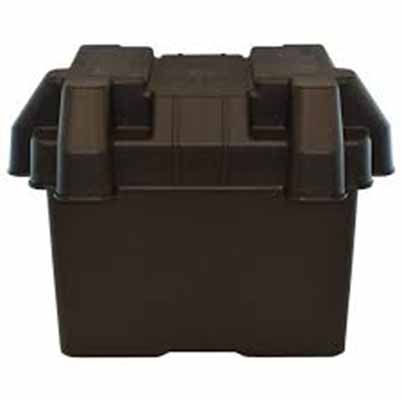
Automotive battery boxes are moving from simple housings to carefully engineered protection systems that keep energy storage stable under harsh vibration, impact, and thermal stress. As vehicles integrate higher-capacity lithium‑ion packs and operate in more demanding environments, the mechanical design of the battery enclosure becomes fundamental to vehicle safety, lifecycle, and performance. An optimized shock‑resistant structure limits micro‑vibration damage, prevents connector fatigue, and protects cells when the vehicle encounters potholes, gravel roads, and sudden maneuvers.
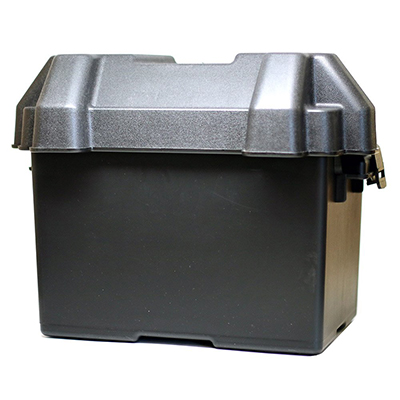
Key application scenarios for shock-resistant battery boxes
Battery boxes with reinforced anti‑shock performance are increasingly adopted in SUVs, pickup trucks, commercial vans, and off‑road vehicles that often drive on unpaved or uneven surfaces. In long‑haul trucks and delivery fleets, continuous vibration over thousands of kilometers accelerates mechanical fatigue, making robust enclosures vital for uptime. Electric buses and ride‑hailing vehicles face urban conditions with frequent starts, stops, and speed bumps, where dynamic loads stress mounting points. Construction machinery, mining equipment, and agricultural vehicles push requirements even further, exposing battery packs to high‑amplitude shocks, mud, dust, and wide temperature swings.
Structural design features that enhance impact resistance
A shock‑resistant battery box combines rigid structural framing with carefully tuned energy‑absorbing elements. High‑strength steel, aluminum alloys, or reinforced composites create a stiff outer shell that maintains dimensional stability during impact events. Internal cross‑bracing and ribbed profiles raise torsional rigidity and prevent case deformation that could compress battery cells. Multi‑layer mounting systems employing rubber isolators, elastomer grommets, or spring‑damping brackets decouple the pack from the vehicle chassis, cutting vibration transmission across a wide frequency range. Corner reinforcements and crash beams at likely impact zones help maintain enclosure integrity in side or underbody collisions.
Thermal, sealing, and EMC considerations in rough environments
Shock‑resistant designs must balance mechanical robustness with effective thermal management and environmental protection. Fin‑type heat sinks, thermal interface pads, and liquid cooling plates are integrated without creating stress concentrations that could crack under repeated vibration. High‑grade gaskets and precision‑machined flanges deliver IP‑rated sealing to block water, salt spray, and dust intrusion common on rugged roads and construction sites. Corrosion‑resistant coatings protect metal parts from road chemicals. At the same time, the enclosure acts as an electromagnetic shield, ensuring that strong vibrations do not loosen fasteners or grounding points that secure EMC performance and prevent interference with power electronics, BMS, and vehicle control units.
Performance benefits and lifecycle advantages
A well‑engineered shock‑resistant battery box directly improves system reliability, extending pack service life and reducing unexpected downtime. Lower vibration exposure minimizes internal weld cracking, connector fretting, and PCB solder fatigue in the BMS, cutting failure rates in demanding fleets. Stable mechanical support helps cells maintain uniform compression, contributing to consistent capacity, better state‑of‑charge accuracy, and safer thermal behavior. For OEMs and tier‑one suppliers, a robust enclosure simplifies vehicle integration, supports modular battery platforms, and helps meet stringent safety and durability standards, strengthening brand reputation in both passenger and commercial markets.
1. How does a shock‑resistant battery box improve EV safety?
It maintains enclosure integrity under impact and vibration, protecting cells and electronics so thermal events and electrical faults are far less likely.
2. Which vehicles benefit most from this design?
Off‑road vehicles, commercial trucks, buses, and high‑mileage delivery fleets gain the greatest value due to continuous exposure to harsh road conditions.
3. What materials are commonly used for these enclosures?
Designers typically select high‑strength steel, aluminum alloys, or fiber‑reinforced composites combined with rubber or elastomer mounts for damping.