Automotive Battery Box Solutions That Help Commercial Fleets Deliver Consistent Quality and Fit
News 2025-11-17
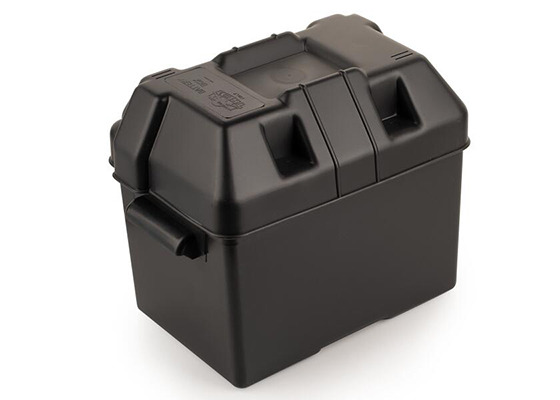
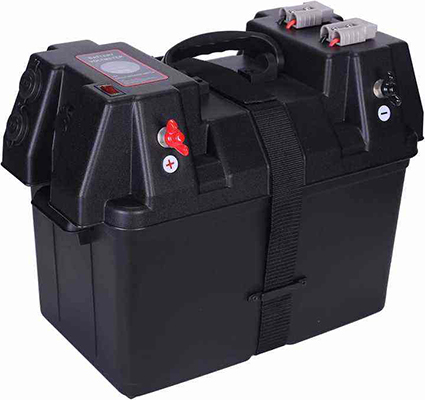
Commercial fleets depend on energy systems that perform predictably in demanding duty cycles. An automotive battery box designed specifically for fleet vehicles protects high-value battery packs, safeguards electronics, and ensures consistent mechanical fit across different models and years. By standardizing enclosure design and interfaces, fleet operators gain easier maintenance, faster retrofits, and higher uptime, which are crucial for logistics, public transport, and last‑mile delivery services.
Application Scenarios in Commercial Fleet Operations
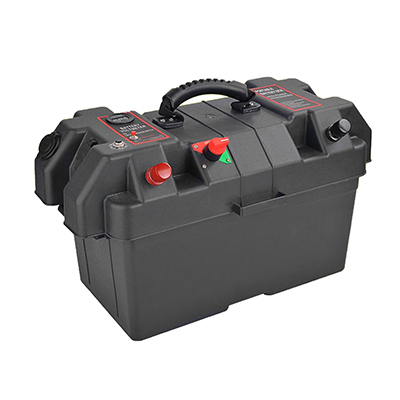
Battery boxes serve as the structural and environmental backbone for energy storage across diverse commercial applications. In urban delivery vans and light trucks, compact enclosures must fit tight underbody or chassis spaces while allowing quick access for service technicians. Long‑haul trucks and coaches require larger, modular boxes that integrate with auxiliary power units, telematics hardware, and safety disconnects. Municipal fleets, such as refuse trucks and street sweepers, operate in harsh contamination zones, so sealed battery boxes prevent intrusion by dirt, road salt, and high‑pressure washdowns. For emerging electric and hybrid fleets, the battery box becomes a key integration point for high‑voltage wiring, battery management systems, and thermal control lines. A consistent mechanical envelope and connector scheme enables fleet managers to deploy the same battery platform across multiple vehicle types, simplifying inventory and training.
Performance Advantages and Protection Features
A well‑engineered automotive battery box delivers layered protection for both batteries and surrounding vehicle systems. Rugged steel or aluminum housings with reinforced mounting points resist vibration, stone impact, and torsional loads typical of commercial chassis. Corrosion‑resistant coatings and drainage paths extend enclosure life even in regions with aggressive de‑icing chemicals. Advanced gasket designs and IP‑rated seals defend against moisture ingress, reducing the risk of internal condensation and short circuits. Internal organization features, such as cable routing channels, integrated busbar supports, and secure restraint mechanisms, prevent abrasion and connector loosening during continuous operation. With proper thermal design, including ventilation slots, heat shields, or interfaces to active cooling plates, the battery box keeps cell temperatures within optimal ranges, improving cycle life and charge acceptance. Consistent enclosure performance translates directly into predictable fleet operating costs.
Standardization, Fit Consistency, and Maintenance Efficiency
Commercial fleet operators value components that repeat the same fit and function across large vehicle populations. Battery boxes engineered to tight dimensional tolerances and standardized mounting patterns allow drop‑in replacement with minimal adjustment, reducing workshop time. Uniform connector locations, cable entry points, and labeling schemas support fast diagnostics and safer handling in high‑throughput service bays. For OEMs and upfitters, using a common battery box platform across various wheelbases and body styles simplifies engineering validation and accelerates new vehicle introductions. The result is a unified parts strategy that reduces inventory complexity and lowers total cost of ownership. Consistent quality of fit also contributes to safety: properly seated boxes maintain ground clearance, protect against road debris, and prevent undue stress on harnesses and high‑voltage components.
Design Considerations for Safety and Regulatory Compliance
Battery boxes for commercial fleets must align with evolving regulatory expectations on electrical safety, crash performance, and environmental responsibility. Robust lid latching systems, service disconnect provisions, and clear high‑voltage markings help technicians follow safe work practices. In the event of a collision, structural features and controlled deformation zones shield battery modules from direct impact and prevent intrusion into passenger or cargo spaces. Materials and manufacturing processes are selected to meet flammability, recyclability, and electromagnetic compatibility requirements. Integration with sensors, such as temperature probes and leak detection, enables real‑time condition monitoring through telematics platforms. By embedding compliance needs directly into enclosure design, suppliers support fleet operators in meeting fleet safety audits and sustainability objectives while maintaining consistent quality and fit across diverse operating conditions.
1. What makes an automotive battery box suitable for commercial fleets?
A fleet‑grade battery box combines rugged structural design, environmental sealing, standardized mounting, and easy service access, ensuring consistent fit and performance across many vehicles and duty cycles.
2. How does consistent battery box fit reduce operating costs?
When mounting points, connectors, and dimensions remain uniform, technicians can perform faster replacements and diagnostics, cutting labor time, minimizing vehicle downtime, and reducing spare‑parts complexity.
3. Why is environmental protection important for battery box performance?
Effective sealing, corrosion resistance, and thermal management protect batteries from moisture, contaminants, and temperature extremes, which helps maintain capacity, extends service life, and improves fleet reliability.