Automotive Battery Box UV Protection for Durable Outdoor Power Systems
News 2025-11-17
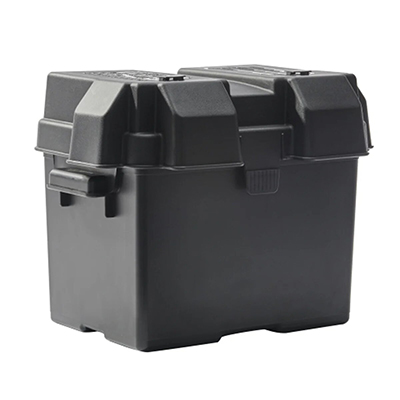
Outdoor energy storage systems for electric and hybrid vehicles face intense sunlight, fluctuating temperatures, and moisture. Without proper UV protection, automotive battery boxes can discolor, crack, and lose mechanical strength, risking safety and shortening service life. Using UV‑stabilized materials, engineered surface treatments, and optimized enclosure design helps battery boxes maintain structural integrity and electrical performance under long-term exposure in parking lots, charging stations, off‑road environments, and industrial fleets.
Key Application Scenarios for UV-Protected Battery Boxes
Automotive battery boxes with UV protection are widely used in outdoor charging infrastructures, solar-powered carports, logistics vehicles, and off‑highway equipment such as forklifts and construction machines. In public charging stations and residential driveway chargers, the enclosure often sits in direct sunlight for many hours per day, so resistance to yellowing and embrittlement is vital. Utility and telecom backup systems mounted on rooftops or outdoor racks also require UV‑protected housings to safeguard high‑value lithium‑ion packs. For agricultural vehicles and marine applications near coastal areas, UV protection works in combination with salt‑spray and humidity resistance to keep the enclosure sealed and mechanically stable.
Performance Benefits of UV-Stabilized Enclosure Materials
UV‑stabilized polymers, coated metals, and composite structures significantly extend the lifetime of battery boxes. Stabilizers reduce polymer chain degradation, helping retain impact strength, dimensional stability, and tight sealing performance. This is crucial for preserving gasket compression and preventing micro‑cracks that may lead to water ingress or corrosion of terminals and busbars. UV-resistant coatings with high reflectivity lower surface temperature, easing thermal stress on cells, BMS boards, and connectors. Longer cosmetic stability also supports brand image in automotive and industrial fleets, as housings maintain a clean, uniform appearance over years of operation.
Design Considerations for Outdoor Durability and Safety
Engineers designing outdoor battery boxes balance UV performance with mechanical strength, flame retardancy, and EMC shielding. Typical solutions combine UV‑stabilized PC/ABS or glass‑filled polymers with powder‑coated aluminum or steel frames. Ribbing, rounded corners, and recessed handles minimize stress concentration and reduce the impact of surface aging. Proper sealing using UV‑resistant elastomer gaskets and protected cable glands maintains IP65 or higher ingress protection ratings under sunlight and rain. Integrating ventilation paths, heat spreaders, or active cooling ensures that reduced UV absorption does not cause unexpected thermal hotspots. All components should be validated through accelerated weathering tests such as ASTM G154 or ISO 4892 to confirm long‑term outdoor reliability.
Impact on System Lifetime, Maintenance, and Total Cost
By limiting UV‑driven degradation, automotive battery boxes maintain their mechanical and electrical protection functions over extended lifecycles, often matching or exceeding the life of the battery modules themselves. This decreases enclosure replacement frequency, reduces downtime, and lowers maintenance costs for fleet operators and charging network providers. Stable sealing performance cuts the risk of moisture‑induced failures, extending BMS and connector life and reducing warranty claims. From an environmental standpoint, longer‑lasting enclosures reduce material waste and support sustainable deployment of e‑mobility and stationary storage solutions.
1. Why is UV protection important for automotive battery boxes?
UV protection prevents cracking, discoloration, and loss of strength in the enclosure, helping maintain safety, sealing performance, and electrical insulation during long‑term outdoor exposure.
2. Which materials are commonly used for UV‑resistant battery boxes?
Designers typically use UV‑stabilized PC/ABS, reinforced engineering plastics, composite housings, and powder‑coated metal structures, often combined with UV‑resistant gaskets and surface coatings.
3. How does UV protection affect maintenance costs?
Improved UV resistance extends enclosure lifetime, cuts replacement frequency, reduces moisture‑related failures, and lowers service interventions, resulting in a lower total cost of ownership for outdoor battery systems.