Automotive Battery Box Ventilation Holes Enhance Safety and Extend System Lifespan
News 2025-11-17
Automotive battery enclosures operate in confined spaces where charging and discharging cycles can generate hydrogen and other gases. Without a controlled path to escape, these gases may accumulate, creating a risk of pressure buildup, corrosion, or even ignition. Purpose-designed ventilation holes in the battery box provide a predictable flow path that protects nearby components, maintains stable performance, and supports overall vehicle safety. For modern vehicles using start-stop systems and auxiliary power units, optimized venting has become a key design parameter rather than a secondary detail.
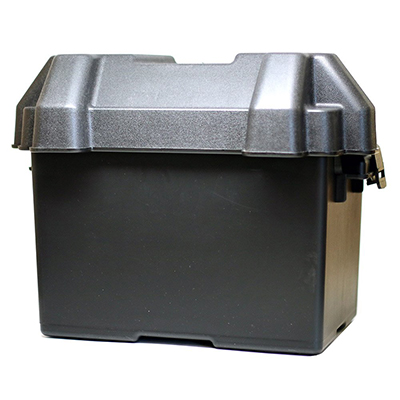
Function of Ventilation Holes in Battery Boxes
Ventilation holes allow low-density gases generated during charging to leave the enclosure before concentration levels become hazardous. By promoting pressure equalization, they prevent deformation of plastic or composite housings and reduce stress on seals and gaskets. In cold climates, effective venting also helps manage moisture, limiting condensation that can lead to surface leakage or connector oxidation. When paired with flame arrestors or one-way valves, these openings form a controlled breathing system that supports both conventional lead-acid batteries and newer lithium-based packs, aligning with OEM safety standards and regulatory requirements.
Key Design Features and Performance Advantages
Well-engineered ventilation holes are defined by precise diameter, spacing, and placement relative to gas generation zones and cable entries. Many designs use molded-in vent channels with integrated mesh or sintered filters to block dust, road debris, and insects while maintaining airflow. High-temperature, chemical-resistant materials help the vent withstand electrolyte vapors and under-hood conditions. This approach improves long-term insulation resistance, reduces the chance of spark ignition inside the box, and preserves the integrity of terminals and harness interfaces. The result is more stable battery voltage behavior over time, fewer maintenance interventions, and extended service life for both the energy storage unit and associated power electronics.
Application Scenarios in Modern Vehicles and EV Platforms
Battery box ventilation is deployed across passenger cars, commercial trucks, agricultural machinery, and construction equipment. In engine compartments, vented boxes manage gas and heat near exhaust components and turbochargers, where ambient temperatures are elevated. In cabin or trunk-mounted systems, especially for luxury vehicles with noise insulation, targeted ventilation prevents trapped gas pockets around carpeting and trim. Electric and hybrid vehicles often integrate multiple vent paths in floor-mounted packs, combining external pressure equalization with internal cell-module venting strategy. Tier-1 suppliers coordinate vent design with wiring harness routing, crash safety structures, and water ingress protection to meet both IP rating targets and automotive EMC requirements.
Integration with Safety Standards and Maintenance Practices
Ventilation holes contribute directly to compliance with automotive safety regulations addressing gas emissions, explosion protection, and environmental exposure. Designers perform CFD simulations and validation testing to confirm that gas concentrations stay well below ignition thresholds under worst-case charging conditions. For service operations, clearly visible and unobstructed vent openings help technicians verify that aftermarket accessories, sound insulation, or cargo have not blocked airflow. Periodic inspection of vent components, seals, and drainage paths is recommended as part of preventive maintenance for fleets, where high cycling rates and under-hood contamination can accelerate wear.
Common Questions on Battery Box Ventilation
1. Why do sealed battery boxes still need ventilation holes?
Even when the battery itself is labeled “sealed,” small amounts of gas can escape through safety valves under abnormal conditions. Ventilation holes provide a safe escape path so that any released gas does not accumulate and reach an ignition concentration.
2. Do ventilation holes increase the risk of water ingress?
Well-designed vents include baffles, membranes, or labyrinth structures that allow gas to pass while resisting splash water and road spray. Proper placement, usually away from direct wheel splash or high-pressure washing zones, minimizes moisture intrusion.
3. Can ventilation design impact battery lifespan?
Yes. Stable temperature and humidity inside the battery box reduce corrosion, prevent surface leakage currents, and support consistent charge acceptance, all of which contribute to longer battery lifespan and more dependable vehicle starting performance.