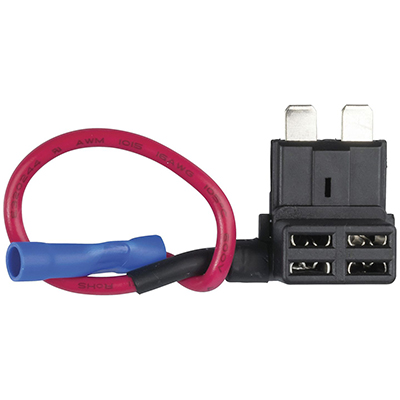
Battery Box Compatible AGM Batteries for Modern Automotive Power and Energy Management
News 2025-11-17
Absorbent Glass Mat (AGM) batteries matched with a purpose‑built battery box form a robust energy platform for today’s electronics‑heavy vehicles. From start‑stop city cars to off‑road trucks and compact EV auxiliaries, a sealed, vibration‑resistant AGM unit contained in a ventilated, dimensionally accurate box delivers stable power, extended service life, and higher safety than legacy flooded designs. Proper pairing of chemistry, enclosure, and mounting system is becoming a core topic in OEM engineering and aftermarket upgrades.
Key Design Features of AGM Batteries in Automotive Use
AGM batteries employ glass fiber separators that absorb the electrolyte, enabling a sealed, spill‑proof construction. This design supports higher charge acceptance, low internal resistance, and superior cold‑cranking performance, which are crucial for engines with frequent start cycles and heavy accessory loads. The technology tolerates deep discharge better than standard lead‑acid, while maintaining low self‑discharge for vehicles parked for extended periods. For modern cars equipped with advanced driver assistance systems, electric power steering, and telematics, AGM chemistry helps stabilize system voltage and reduce failures related to voltage dips.
Role of the Battery Box in Protection and Integration
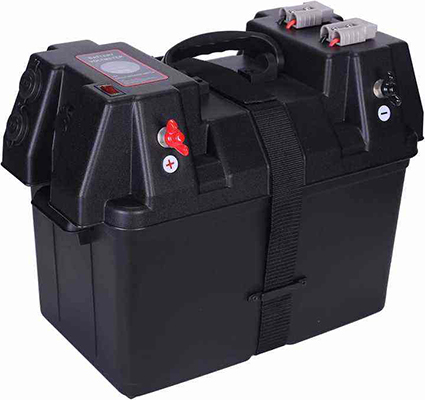
A battery box compatible with AGM dimensions and terminal layouts improves mechanical stability and environmental protection. Rigid housings with molded supports reduce vibration and shock, protecting internal plates and welds during harsh road conditions or off‑highway operation. Integrated vent ports manage any gas release and help control condensation, supporting cabin safety when batteries are installed in trunks or under seats. Cable routing channels, strain relief features, and clearly defined mounting points simplify integration into tight engine bays and modular EV platforms, reducing installation errors and service time.
Application Scenarios and Performance Benefits
In start‑stop passenger cars, AGM batteries in sealed boxes handle thousands of micro‑cycles per year while powering HVAC blowers, infotainment, and lighting during engine‑off phases. Light commercial vehicles and delivery fleets benefit from high reserve capacity during idling restrictions, keeping telematics, refrigeration controls, and liftgates operational. Off‑road and marine‑adjacent vehicles use boxed AGM packs to resist water spray, dust, and continuous vibration. Performance tuning and car audio builds rely on the stable voltage delivery and low impedance of AGM units, while the enclosure manages heat and provides secure mounting for additional auxiliary batteries.
Integration, Maintenance, and Selection Considerations
When selecting a battery box compatible AGM unit, engineers evaluate footprint, height, terminal type, and cable access relative to OEM constraints. Vent orientation must align with vehicle ducting, and the box material should meet flammability, impact, and temperature standards. For aftermarket upgrades, installers look for boxes with adjustable hold‑downs, corrosion‑resistant hardware, and space for fuses or battery management accessories. Maintenance primarily focuses on periodic visual inspection, torque checks on terminals, and verification of charge profiles in the alternator or DC‑DC converter to match AGM requirements, ensuring long cycle life.
1. What vehicles benefit most from AGM batteries in a battery box?
Passenger cars with start‑stop, delivery vans with high accessory loads, off‑road trucks, and audio or RV builds gain the most from the combination of stable power, vibration resistance, and flexible mounting.
2. Can an AGM battery replace a flooded battery without changing the box?
Only if the existing box supports the AGM dimensions, venting, and hold‑down geometry. Many legacy trays lack proper vent routing or clearance, so a purpose‑designed enclosure is often recommended.
3. Do boxed AGM batteries require special charging?
Yes. Chargers and vehicle charging systems should support AGM profiles with controlled voltage and temperature compensation. Correct charging significantly extends service life and preserves performance in demanding automotive duty cycles.