Battery Box Quick-Release Latches for Fast, Safe and Convenient Power Module Access
News 2025-11-17
Battery box quick-release latches enable fast, tool-free access to power modules in demanding electrical and electronic systems. By replacing traditional screw-fastened covers, these latch systems shorten maintenance cycles, reduce downtime, and simplify pack replacement in applications ranging from industrial backup systems to light electric vehicles and energy storage cabinets. Their design focuses on consistent clamping force, repeatable alignment, and secure retention under vibration, providing a robust enclosure solution for both OEMs and system integrators.
Key Functional Features of Quick-Release Latch Structures
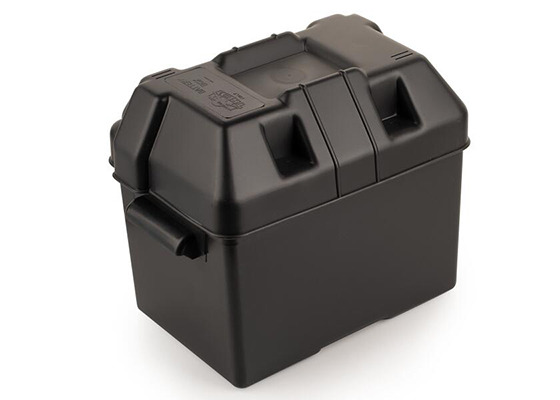
Quick-release latches for battery boxes typically combine a metal or reinforced polymer hook, a spring mechanism, and a defined locking interface on the enclosure. Once engaged, the latch generates uniform pressure on the cover gasket, helping maintain IP-rated sealing against dust and moisture. Many designs support one-hand operation and incorporate clear tactile or audible feedback when fully locked, helping technicians verify closure in noisy industrial environments. For high-voltage battery packs, latches can be paired with mechanical interlocks or microswitches that interact with the BMS, ensuring the circuit is disconnected before the lid is opened for safer service operations.
Application Scenarios in Mobility, Storage, and Industrial Power
These latch systems see extensive use in electric scooters, e-bikes, AGVs, and small material-handling vehicles, where frequent battery swaps keep fleets in operation around the clock. In such mobile platforms, vibration resistance and consistent retention force are crucial to prevent intermittent contacts or connector damage. Stationary energy storage cabinets and UPS systems also benefit from quick-release latches, enabling technicians to replace individual battery strings or modules without disassembling the entire rack. Outdoor telecom cabinets, renewable energy control boxes, and portable test equipment cases adopt similar latch formats to achieve fast field service in confined or remote locations.
Performance Advantages for Safety, Durability, and Service Efficiency
Compared with conventional screw closures, quick-release latches significantly cut access time and reduce the risk of stripped threads or lost hardware. High-strength stainless steel or corrosion-resistant alloys protect against harsh environments, while engineered plastics offer weight savings and electrical insulation where needed. Properly designed latch systems maintain stable compression of seals over thousands of cycles, preserving enclosure integrity and extending battery life by limiting exposure to dust and humidity. Many models are tested for shock, vibration, and endurance in accordance with automotive and industrial standards, supporting safe operation in high-current, high-energy battery installations.
Design Considerations for System Integration and User Experience
When specifying quick-release latches for a new battery box, engineers must balance ergonomics, locking force, and available panel space. Handle geometry and actuation force should suit gloved operation while preventing accidental opening during transport or impact. Positioning the latches close to structural ribs improves stiffness and helps maintain even gasket compression across large covers. For branding and safety communication, latch areas can be marked with high-visibility graphics indicating open and closed states. Integrating keyed lock functions or tamper-evident features supports access control in shared mobility and rental applications where packs must remain secure yet replaceable within seconds.
1. What environments suit battery box quick-release latches?
They are well suited to electric mobility, outdoor telecom, industrial backup power, and energy storage systems that demand rapid, repeatable service access with strong resistance to vibration, moisture, and dust.
2. How do quick-release latches improve battery maintenance?
They remove the need for tools, shorten cover removal and installation time, and reduce damage to fasteners or seals, enabling faster module inspection, testing, and replacement during routine maintenance.
3. Are these latches compatible with high-voltage battery systems?
Yes, when paired with proper interlocks, BMS-controlled disconnects, and suitable insulation materials, quick-release latches can be safely integrated into high-voltage packs used in industrial and light electric vehicle applications.