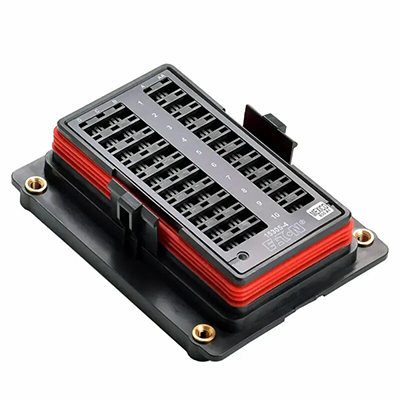
Battery Box Solutions for Industrial Vehicles Built for Heavy Duty Operation
News 2025-11-17
Industrial battery boxes play a central role in keeping material handling fleets, construction machinery, and warehouse AGVs running safely and efficiently. A well‑engineered enclosure protects high‑capacity batteries from vibration, impact, moisture, dust, and chemical exposure that are common in demanding industrial sites. For OEMs and fleet operators, the right battery box directly impacts uptime, lifecycle cost, and operator safety, making its construction quality and functional features just as important as the batteries it houses.
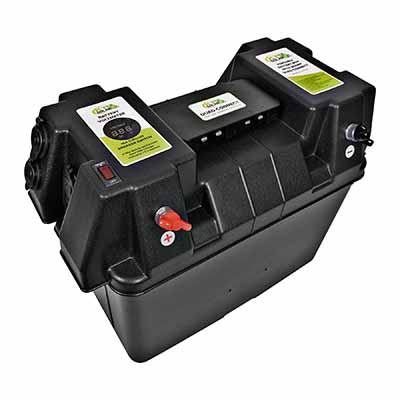
Rugged Construction for Harsh Operating Environments
Battery boxes for industrial vehicles are typically manufactured from thick‑gauge steel or reinforced aluminum with welded seams and high‑strength hinges to resist deformation under shock loads. Forklifts, container handlers, mining vehicles, and airport ground support equipment often operate over uneven surfaces and encounter repeated impacts, so the enclosure must withstand constant vibration without fatigue cracking. Corrosion‑resistant coatings and powder paint systems are applied both internally and externally to protect against acids, alkalis, de‑icing agents, and humidity. Drainage channels, sealed lids, and gasketed access doors help prevent water and dust ingress while still allowing heat dissipation. Structural reinforcements around mounting points ensure the box stays securely fixed to the chassis, even under emergency braking or aggressive steering.
Performance Features That Support Heavy Use Cycles
Beyond mechanical strength, industrial battery boxes incorporate features that maintain consistent performance during long duty cycles and frequent charge‑discharge events. Integrated ventilation slots or forced‑air ducting prevent heat buildup, which is critical for both lead‑acid and lithium‑ion packs operating at high current levels. Many designs include internal cable routing channels, strain relief brackets, and clearly labeled terminals to reduce electrical resistance and avoid accidental short circuits. For fleets running multiple shifts, slide‑out trays, side extraction rails, or overhead lifting pockets enable rapid battery swaps and minimize downtime. The combination of robust locking mechanisms and impact‑resistant covers protects connectors and monitoring electronics from accidental damage during maintenance or vehicle docking.
Application Scenarios Across Industrial Vehicle Platforms
In logistics and warehousing, battery boxes are widely used on counterbalance forklifts, narrow‑aisle trucks, pallet stackers, and autonomous mobile robots. Here the enclosure must be compact to fit tight chassis spaces while still delivering adequate capacity for extended shifts. In construction and mining vehicles, boxes are exposed to abrasive dust, stone fragments, and high shock loads; designs emphasize reinforced corners, heavy‑duty latches, and extra‑thick base plates. Airport ground service equipment, such as tow tractors and belt loaders, often requires weatherproof designs capable of operating in rain, snow, and salt‑laden environments, making sealed enclosures and corrosion‑resistant hardware particularly important. For each application, the box layout is optimized to support easy inspection, coolant or air routing, and the integration of battery management systems.
Safety, Compliance, and Integration with Modern Power Systems
Safety standards and regulatory requirements strongly influence battery box design for industrial vehicles. Enclosures must provide effective insulation distances, secure containment of electrolyte leaks, and protection from accidental contact with live parts. Many heavy‑duty boxes incorporate spill trays, acid‑resistant liners, and clearly marked emergency disconnects. For lithium‑ion systems, provisions for temperature sensors, BMS wiring harnesses, and possible gas venting paths are integrated from the outset. Mounting interfaces and electrical connectors are standardized to simplify OEM integration and retrofit projects, enabling fleet operators to upgrade from flooded lead‑acid to sealed or lithium technologies without major frame modifications. When properly specified, a durable industrial battery box extends battery service life, enhances charging efficiency, and supports consistent vehicle performance across multiple operating shifts.
1. What vehicles commonly use heavy duty battery boxes?
Battery boxes are widely used on forklifts, reach trucks, AGVs, terminal tractors, construction loaders, mining haulers, and airport ground support equipment where high energy demand and harsh conditions are present.
2. How does a robust battery box improve fleet uptime?
Strong enclosures protect against vibration, impact, and contamination, reducing cable failures, connector damage, and premature battery wear. Fast access features also shorten battery exchange and maintenance time, keeping vehicles in operation longer.
3. What materials are best for industrial battery box construction?
Thick‑gauge steel with high‑quality corrosion protection is common for heavy vehicles, while reinforced aluminum is used where weight reduction is important. Both materials can be engineered to deliver long‑term durability in demanding industrial environments.