Battery Box Universal Mounting Solution for Diverse Car and Truck Electrical Systems
News 2025-11-17
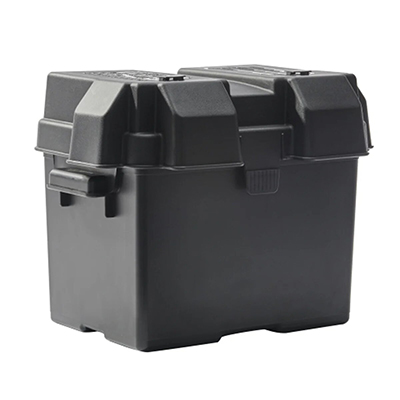
A universal battery box mounting solution plays a central role in protecting and stabilizing vehicle power systems. Designed to fit most car and truck models, it helps secure starting batteries, auxiliary packs, and deep-cycle units used for modern electronics. By isolating the battery from vibration, moisture, and contaminants, the box reduces premature failure and supports consistent voltage delivery for ECUs, lighting, infotainment, and aftermarket electronics. For automotive engineers, fleet operators, and upgrade shops, a well-designed universal battery box is a practical way to improve power reliability and simplify installation across mixed vehicle platforms.
Key Design Features and Mounting Flexibility
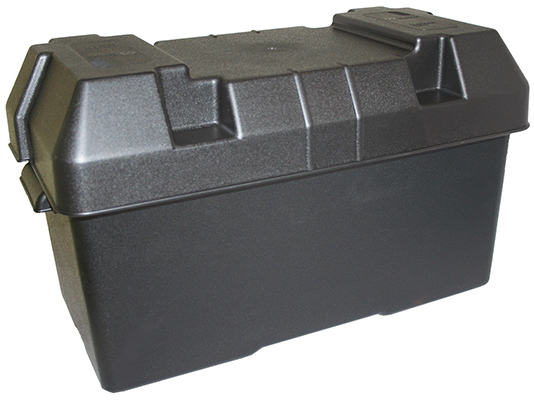
A universal battery box is engineered with adjustable mounting slots, multiple bolt patterns, and generous internal dimensions, allowing it to fit common battery group sizes used in passenger cars, light trucks, off-road vehicles, and small commercial fleets. Heavy-duty brackets and corrosion-resistant hardware enable secure attachment to chassis rails, engine bays, bed floors, or underbody locations. Integrated cable exit ports support top or side terminal configurations, while reinforced lids and locking mechanisms protect against accidental contact and unauthorized access. Heat-resistant composite materials or coated steel reduce deformation and rust, keeping the enclosure structurally stable during long-term operation in harsh automotive environments.
Performance Benefits for Electrical and Safety Requirements
From a performance standpoint, the battery box stabilizes the battery under high vibration, high temperature, and dusty conditions typically encountered by trucks and utility vehicles. Improved mechanical stability helps maintain internal plate integrity, prolonging battery life and reducing replacement frequency. Venting options support flooded or AGM batteries by safely directing gases away from sensitive electronics, helping vehicles meet safety and emissions requirements. By preventing short circuits from loose tools or cargo and shielding terminals from road splash, the box enhances overall electrical safety. This contributes to cleaner power delivery, fewer starting issues, and reduced downtime in fleets that depend on consistent battery performance.
Application Scenarios in Automotive and Commercial Use
Universal mounting battery boxes are widely adopted in light-duty pickup trucks with auxiliary in-bed power, service vans with inverters and test equipment, and off-road builds running winches, air compressors, and lighting bars. RV and camper conversions benefit from extra battery capacity mounted under seats, in storage compartments, or on frame rails, without being tied to a single vehicle model. For small commercial trucks and municipal vehicles, standardized boxes simplify maintenance logistics by allowing the same enclosure to support different chassis types. Installers can standardize wiring layouts, cable lengths, and protective devices, minimizing installation time and improving consistency across projects.
Integration, Maintenance, and Selection Considerations
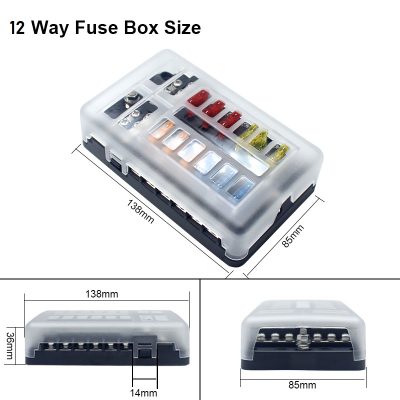
When integrating a universal battery box, engineers and installers evaluate current requirements, cable routing, ventilation needs, and proximity to high-heat sources such as exhaust components. Many designs include dedicated mounting points for fuses, circuit breakers, or battery disconnect switches, helping create a compact, serviceable power hub. Smooth interior surfaces and removable lids support quick inspection and cleaning, while drain holes prevent standing water accumulation. During selection, key criteria include material durability, UV resistance for exposed installations, compatibility with common battery sizes, and compliance with automotive and marine electrical standards. An appropriately chosen universal battery box can support future upgrades, such as adding lithium batteries, power inverters, or DC-DC chargers.
Common Questions About Universal Battery Box Mounting
1. Can one universal battery box fit different battery sizes?
Many universal battery boxes use adjustable hold-downs and generous internal space, allowing them to secure multiple common battery group sizes used in cars and trucks.
2. Is the battery box suitable for off-road and high-vibration use?
A high-quality box with reinforced mounting brackets and vibration-resistant hardware performs well in off-road vehicles, helping stabilize the battery on rough terrain.
3. Do I need extra ventilation for sealed batteries?
Sealed AGM or gel batteries generate fewer gases, but basic ventilation is still recommended. A vented universal box helps maintain safe operation and protects nearby electronics.