Battery Box Weatherproof Construction for Demanding Outdoor Off-Road Power Needs
News 2025-11-17
Modern off-road vehicles, mobile workstations, and outdoor power systems place high demands on energy storage. A weatherproof battery box engineered for these conditions protects power reserves from dust, water, vibration, and impact that would quickly degrade unprotected packs. By pairing robust mechanical design with electrical safety features, these enclosures enable stable power delivery during harsh expeditions, remote industrial maintenance, and emergency response operations far from fixed infrastructure.
Rugged Construction for Off-Road Environments
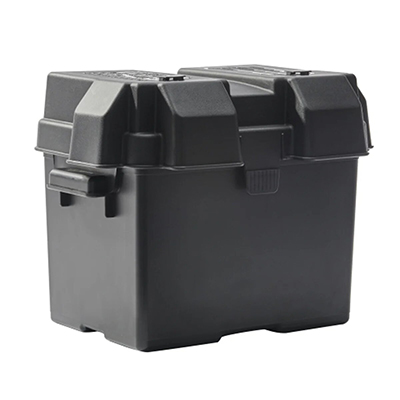
A weatherproof battery box designed for off-road use typically features impact-resistant polymers or powder-coated metal with reinforced corners and sealed joints. Gasketed lids with compression latches keep out rain, mud, and road spray, supporting IP65 or higher ingress ratings when properly installed. Internally, shock-absorbing mounts and foam inserts reduce mechanical stress on battery cells during continuous vibration, corrugated tracks, and sudden drops. Corrosion-resistant hardware and UV-stable materials maintain structural integrity under prolonged sun exposure, temperature cycling, and salt spray found in coastal or winter conditions. This rugged construction ensures consistent performance for overland trucks, UTVs, expedition trailers, and outdoor communication systems.
Performance Features and Electrical Protection
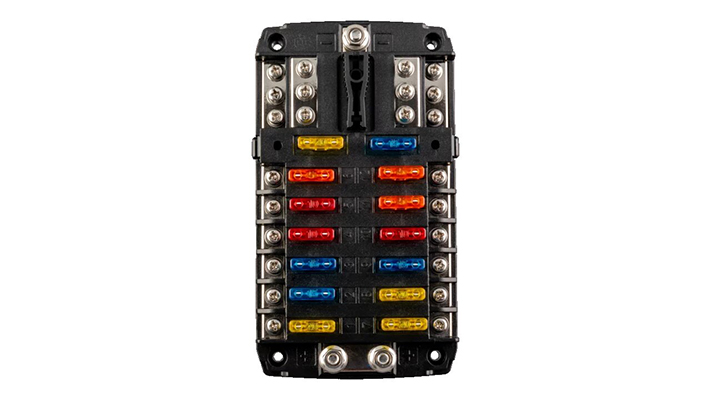
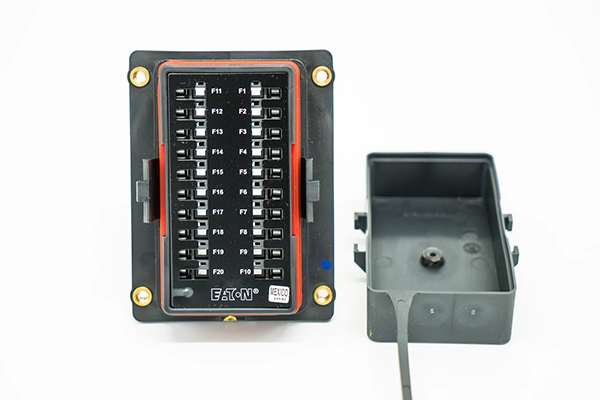
Beyond mechanical durability, a high-quality weatherproof battery box integrates electrical features optimized for demanding duty cycles. Many designs incorporate pre-wired bus bars, fused distribution blocks, and clearly labeled terminals that support both 12 V and 24 V systems. Dedicated cable glands maintain the enclosure seal while routing high-current leads to inverters, DC-DC chargers, and auxiliary loads. Integrated ventilation paths or pressure-relief valves manage gas buildup without compromising water resistance. Optional battery management system compatibility, temperature sensors, and circuit breakers further reduce risks of overcharge, short circuit, or thermal runaway. These performance-focused details help maintain stable output for winches, refrigerators, lighting, pumps, and radio equipment operating for long durations.
Key Application Scenarios in Field Operations
Weatherproof battery boxes see wide deployment across outdoor and off-road scenarios where dependable power is mission-critical. Overland travelers and RV owners mount these enclosures in truck beds, trailer tongues, or roof racks to run camping gear and navigation electronics. Utility and telecom crews use them on service vehicles to support test instruments, fiber splicing equipment, and temporary network nodes at remote sites. In construction and mining, they serve as standalone DC power banks for sensors, lighting towers, and safety systems. Emergency and disaster response teams rely on rugged battery boxes to keep medical devices, communication radios, and satellite terminals running when grid power is unavailable or unstable. In each case, a sealed, impact-resistant enclosure prevents weather-related failures that could halt operations.
Installation, Integration, and Maintenance Considerations
Correct installation is crucial for achieving the advertised weatherproof performance. Mounting surfaces should be rigid, level, and properly reinforced to handle dynamic loads common in off-road environments. Cables must be sized for the expected current and distance, with strain relief at entry points and tight gland compression to preserve environmental sealing. When integrating with solar charge controllers, DC-DC chargers, or inverters, designers should confirm compatibility with the battery chemistry and expected load profile. Routine inspection of seals, latches, and vent components helps sustain long-term protection; replacing worn gaskets or cracked fittings prevents moisture ingress that might not be immediately visible. With disciplined deployment and maintenance, the battery box underpins a stable, scalable power architecture for field operations.
1. What battery types are suitable for a weatherproof off-road battery box?
AGM, gel, and lithium iron phosphate (LiFePO4) batteries are most common. The enclosure should match the physical dimensions, ventilation needs, and terminal style of the chosen chemistry, and the system should include appropriate charging profiles.
2. How does a weatherproof battery box improve safety in off-road applications?
It isolates live terminals, shields batteries from direct impact, and helps contain incidental leaks or gas discharge. When combined with fuses, breakers, and proper wiring practices, it significantly reduces fire, electric shock, and short-circuit hazards.
3. Where is the best location to mount a battery box on an off-road vehicle?
Typical locations include the cargo area, bed rails, or chassis-mounted brackets with good airflow and minimal exposure to direct exhaust heat. The mount should keep the box accessible for service while protecting it from rock strikes and deep water crossings.