Battery Box Weatherproof Lid Shields Automotive Power Systems From Harsh Elements
News 2025-11-17
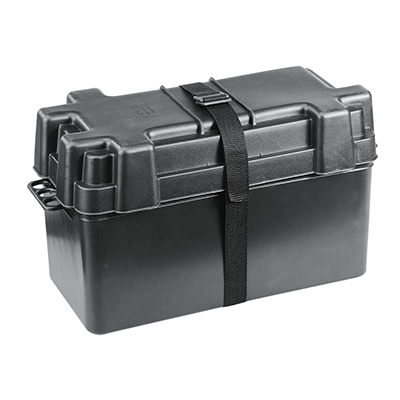
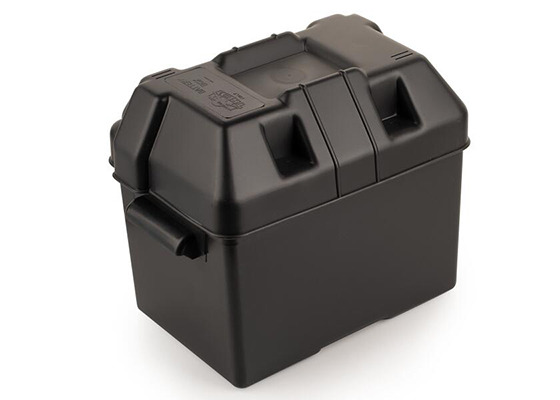
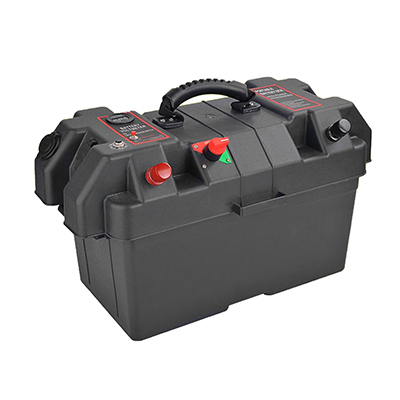
Battery box weatherproof lid shields automotive batteries from elements
Environmental Protection for Modern Automotive Batteries
A weatherproof lid for an automotive battery box forms the first barrier between the energy storage system and harsh outdoor conditions. In passenger cars, commercial trucks, off‑highway machinery, and marine vehicles, batteries are exposed to rain, road spray, salt, dust, and temperature swings that accelerate corrosion and shorten service life. A sealed, impact‑resistant cover prevents water ingress into terminals and connectors, stabilizes ambient temperature inside the enclosure, and minimizes contamination from oil, mud, and chemicals. This protection is especially important for vehicles featuring start‑stop systems and auxiliary power units, where batteries cycle frequently and operate near their performance limits.
Key Design Features and Performance Advantages
High‑quality weatherproof lids combine robust materials with engineered sealing geometry to achieve high ingress protection ratings such as IP65 or IP67. UV‑stabilized thermoplastics, glass‑fiber‑reinforced composites, or coated metal lids resist cracking, warping, and long‑term exposure to sunlight. Perimeter gaskets made of EPDM or silicone maintain a tight seal under vibration and thermal expansion. Secure latching mechanisms prevent accidental opening while still allowing fast access for maintenance. These characteristics reduce failure rates, improve battery efficiency by limiting self‑discharge through moisture‑induced leakage paths, and help maintain stable cranking performance in cold or humid climates.
Application Scenarios Across Vehicle Platforms
Weatherproof battery box lids are increasingly specified in electric vehicles, hybrid platforms, RVs, emergency service vehicles, construction equipment, and marine power systems. In fleets that operate year‑round, sealed lids help keep batteries ready for high‑current loads such as winches, hydraulic pumps, and inverters. Recreational and off‑grid users benefit from lids that protect deep‑cycle batteries used for lighting, refrigeration, and communication equipment. In coastal or high‑salinity environments, the lid limits corrosion on posts and busbars, extending replacement intervals. For OEMs and system integrators, adopting a standardized weatherproof lid simplifies platform design while supporting compliance with safety and environmental regulations.
Integration, Installation, and Safety Considerations
Proper integration of a weatherproof lid requires attention to cable routing, venting, and mechanical support. Knock‑outs or sealed cable glands must maintain enclosure integrity without stressing terminations under vibration. Many lids incorporate pressure‑relief or gas‑vent features that channel any hydrogen produced during charging away from ignition sources while still blocking liquid water ingress. Clear labeling and molded icons improve serviceability and reduce wiring errors during maintenance. When correctly installed, the lid supports stable contact resistance at terminals, decreases the likelihood of arc formation, and contributes to compliance with automotive EMC and safety standards. These factors combine to lower total cost of ownership for vehicle operators.
Frequently Asked Questions
11 What IP rating should an automotive battery box lid have?
For most on‑road and light off‑road applications, an IP65 or IP67 lid offers sufficient protection against dust and water jets or temporary immersion. Heavy‑duty, marine, or high‑pressure washdown environments often benefit from IP67 performance and robust gasket compression control.
21 Can a weatherproof lid improve battery life in cold climates?
Yes. By reducing moisture intrusion and moderating rapid temperature swings around the battery, a sealed lid helps preserve plate integrity, maintains higher available cold cranking amps, and reduces corrosion on terminals and connectors.
31 Is special maintenance required for weatherproof battery box lids?
Routine inspection of gasket condition, latch tension, and cable entries is recommended. Cleaning the sealing surfaces and replacing worn gaskets at scheduled intervals preserves the lids weather resistance and maintains its protective performance over the vehicles service life.