Weather-Sealed Battery Box Design for Outdoor Power Safety and Long-Term Performance
News 2025-11-17
Battery boxes used in outdoor and mobile systems face harsh environments where moisture, dust, and road debris can rapidly degrade performance. A weather-sealed design forms the first line of defense, protecting cells, busbars, and electronics so they maintain stable output and safe operation. By integrating robust sealing features into the enclosure, manufacturers can extend battery life, reduce maintenance, and ensure consistent power in demanding industrial, marine, and off-grid applications.
Key Design Principles of Weather-Sealed Battery Enclosures
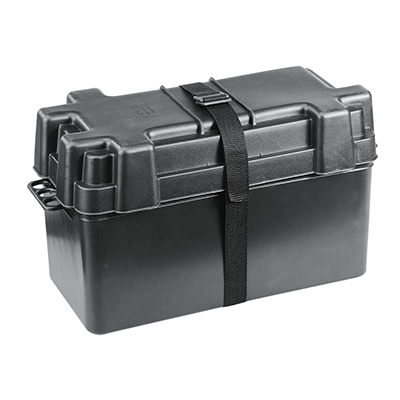
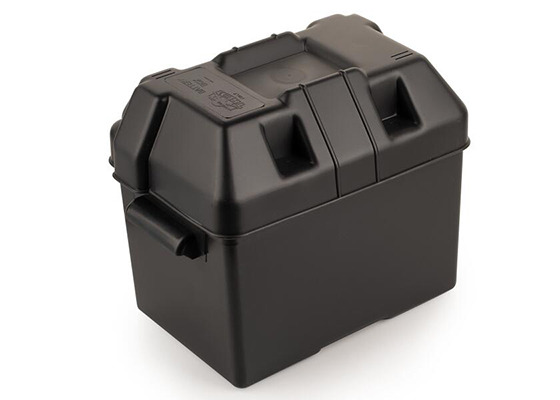
A weather-sealed battery box typically combines a rigid housing with engineered gaskets, compression latches, and controlled ventilation. High-impact plastics or coated metals resist corrosion, while molded lips and overlapping edges create a physical barrier against rain splash and fine dust. Continuous EPDM or silicone gaskets around the lid compress uniformly when the box is closed, achieving ingress protection ratings such as IP65 or higher. Cable entries rely on strain-relief glands with sealing rings, preventing water paths along conductors. Pressure-equalization vents with hydrophobic membranes allow gas exchange without admitting liquid water, which minimizes internal condensation and preserves connector integrity.
Performance Advantages in Harsh Outdoor and Mobile Environments
High-quality sealing directly improves electrical performance by keeping terminals dry and clean. When contamination is blocked, contact resistance remains low, voltage drop is minimized, and thermal hotspots are less likely to develop. In outdoor solar storage, sealed battery boxes shield packs from wind-driven rain, UV exposure, and airborne sand, stabilizing capacity over long duty cycles. On trailers, RVs, and construction machinery, weather-sealed enclosures prevent damage from road spray, mud, and gravel impact. This protection reduces unexpected shutdowns, lowers replacement frequency, and supports safe usage across wide temperature swings and high vibration conditions, which is vital for fleet operators and remote infrastructure.
Application Scenarios Across Marine, Telecom, and Off-Grid Systems
Marine power systems demand enclosures that withstand salt fog, splash, and brief submersion, making rugged sealing and corrosion-resistant hardware essential. Telecom base stations and 5G small cells often deploy backup batteries in cabinets exposed to storm-driven rain; integrating weather-sealed boxes inside the rack structure adds a second protection layer, improving uptime metrics. In off-grid solar or hybrid storage cabins, sealed battery boxes deter rodents and insects while keeping pollen and conductive dust away from terminals and monitoring boards. Mobile medical equipment, security trailers, and temporary event power banks also benefit from the ability to be relocated and operated in changing climates without re-engineering the power compartment for each site.
Integration, Maintenance, and Safety Considerations
For OEMs and system integrators, choosing a weather-sealed battery box simplifies compliance with safety and EMC standards by providing a controlled internal environment. Many designs offer mounting bosses for BMS PCBs, fuses, and contactors, helping to create a compact, protected energy module. Maintenance routines focus on inspecting gasket condition, verifying latch compression, and checking that vents remain unobstructed. Because the interior stays cleaner, technicians can perform diagnostics more quickly and safely, with reduced risk of short circuits caused by tools contacting moisture or debris. By pairing robust mechanical sealing with proper cable routing, labeling, and overcurrent protection, the battery compartment becomes a stable, low-risk foundation for critical electronics.
1. How does a weather-sealed battery box improve service life?
A sealed box limits moisture and contaminants, slowing corrosion and preserving stable electrical connections, which collectively extend battery cycle life.
2. Which industries gain the most from sealed battery enclosures?
Outdoor telecom, marine, off-grid solar, transportation, and construction sectors benefit strongly because their equipment operates in rain, dust, and vibration.
3. What IP rating should designers target for outdoor battery systems?
Many outdoor applications aim for at least IP65, with higher ratings considered where heavy spray, washdown cleaning, or temporary immersion may occur.