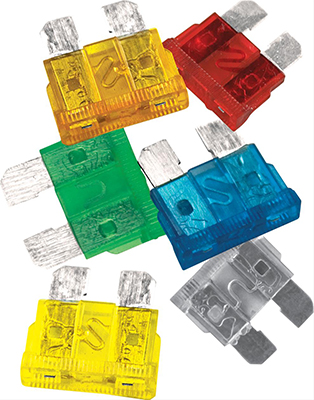
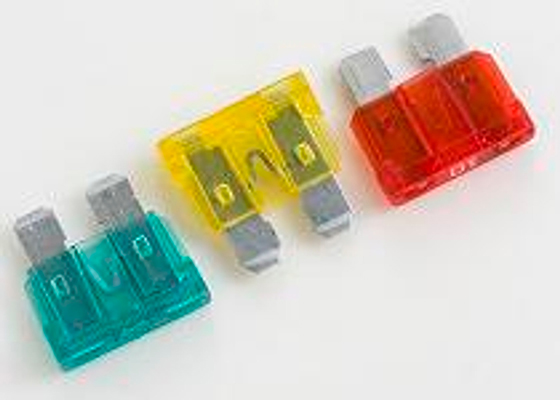
Branch Circuit Fuse Isolates Specific Vehicle Systems To Enhance Targeted Protection And Safety
News 2025-11-17
Branch circuit fuse isolates specific vehicle systems for targeted protection in modern automotive electrical architectures. By assigning dedicated fuses to individual loads or tightly grouped subsystems, engineers prevent a single fault from cascading across the wiring harness. This approach supports higher safety standards, improves diagnostics, and aligns with the growing complexity of electrified powertrains, driver assistance modules, and comfort electronics. Correct fuse selection and placement directly affect system uptime, serviceability, and compliance with international automotive regulations.
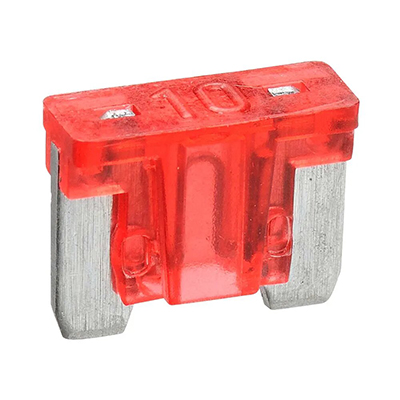
Targeted Protection In Distributed Vehicle Architectures
In contemporary vehicles, power distribution units and junction boxes route energy from the main battery to dozens of branch circuits. A branch circuit fuse is inserted at each node to isolate specific vehicle systems such as HVAC blowers, infotainment head units, power steering controllers, lighting modules, or battery management subsystems. When an overcurrent or short occurs, the fuse interrupts only the affected branch, leaving critical functions like engine control and braking unaffected. This targeted protection strategy reduces the risk of thermal damage to wiring, minimizes fire hazards, and supports selective load shedding during abnormal conditions.
Performance Characteristics And Selection Parameters
Choosing the appropriate branch circuit fuse demands close attention to current rating, I²t characteristics, voltage capability, and time‑current curves. Automotive-grade fuses must tolerate high inrush currents from motors and capacitive loads while still reacting quickly under fault conditions. Low internal resistance limits power loss and heat generation at nominal load, contributing to improved energy efficiency and compact packaging. Designers evaluate ambient temperature derating, vibration endurance, and mechanical robustness to ensure stable performance across harsh under‑hood and chassis environments. Compliance with standards such as ISO 8820 helps guarantee consistent behavior under defined overload and short‑circuit profiles.
Application Scenarios In Conventional And Electrified Platforms
Branch circuit fuses play a central role in both internal combustion and electric vehicle platforms. In conventional vehicles, they protect circuits feeding fuel pumps, ignition coils, electronic control units, and body electronics. In hybrid and battery electric vehicles, branch fuses appear in high‑voltage junction boxes to safeguard auxiliary loads such as DC‑DC converters, on‑board chargers, electric compressors, and high‑power heaters. Modular fuse blocks enable OEMs to tailor protection schemes to different trim levels and regional options while keeping the wiring harness architecture largely unchanged. This scalability supports faster development cycles and simplifies aftermarket upgrades or service retrofits.
Benefits For Diagnostics, Maintenance, And System Safety
Using branch circuit fuses improves fault localization and speeds up service procedures. When a single branch opens, technicians can quickly identify the affected subsystem and perform targeted troubleshooting instead of tracing faults across an entire harness. Clear labeling on fuse boxes supports user‑level checks and reduces workshop time. From a safety perspective, proper branch isolation limits touch‑safe voltages, provides defined interruption points, and helps meet functional safety goals defined by standards such as ISO 26262. Optimized fuse coordination, where upstream protection remains intact while only the branch fuse operates, preserves system stability and protects high‑value components like control modules and battery packs.
Common Questions On Branch Circuit Fuse Applications
1How does a branch circuit fuse improve vehicle safety?
By isolating individual systems during overcurrent or short‑circuit events, the fuse prevents excessive heating of conductors, reduces the likelihood of wiring fires, and keeps safety‑critical functions powered whenever possible.
2Which vehicle circuits typically use branch fuses?
Typical applications include lighting, HVAC blowers, infotainment units, fuel or coolant pumps, power seats, ADAS sensors, and high‑voltage auxiliary loads such as DC‑DC converters in electrified platforms.
3What factors should engineers consider when selecting a branch circuit fuse?
Key criteria include rated current, voltage, time‑current characteristics, ambient temperature derating, mechanical durability, and compliance with automotive standards to ensure stable protection throughout the vehicle lifetime.