Car Battery Protection Solutions Featuring Impact-Resistant Materials for Optimal Safety and Durability in Automotive Environments
News 2025-10-27
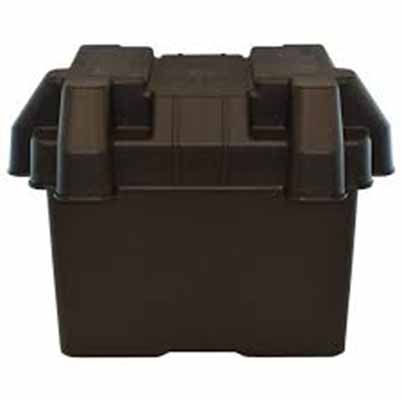
Car batteries are essential for powering vehicles, but they face constant threats from road impacts, vibrations, and environmental factors that can lead to damage, reduced performance, or even safety hazards. Impact-resistant battery boxes are designed to shield these critical components, using advanced materials that absorb and dissipate energy from collisions. This approach not only extends battery life but also enhances overall vehicle reliability, making it a key consideration for modern automotive engineering. By incorporating such protective enclosures, manufacturers and users can mitigate risks associated with battery failure in demanding conditions.
Application Scenarios
Battery boxes with impact-resistant materials find extensive use in various automotive settings. In electric vehicles (EVs), they protect high-density lithium-ion batteries from road debris and minor accidents, ensuring consistent performance during daily commutes or long-distance travel. For traditional internal combustion engine cars, these boxes safeguard lead-acid batteries against vibrations on rough terrains, such as off-road adventures or construction sites. Additionally, in commercial fleets like trucks and buses, they provide durability against heavy loads and frequent stops, reducing maintenance costs and downtime. This versatility makes impact-resistant battery boxes indispensable across passenger cars, hybrid models, and heavy-duty applications, where reliability is paramount.
Performance Advantages
Impact-resistant materials in battery boxes offer significant benefits that enhance protection and efficiency. Materials like polycarbonate and reinforced composites provide superior strength-to-weight ratios, allowing them to withstand high-impact forces without cracking or deforming. This results in better energy absorption during crashes, minimizing the risk of battery punctures or short circuits that could cause fires. Furthermore, these designs reduce vibration-induced wear, leading to longer battery lifespans and improved energy efficiency. In terms of environmental resistance, they guard against moisture, temperature extremes, and corrosion, ensuring consistent performance in diverse climates. Overall, these advantages contribute to safer, more dependable automotive systems by integrating robust protection with lightweight construction.
Frequently Asked Questions
1. What materials are used in impact-resistant battery boxes?
Common materials include polycarbonate, ABS plastic, and fiberglass composites, chosen for their high strength and ability to absorb impacts effectively.
2. How do these battery boxes enhance battery longevity?
By reducing physical stress and environmental exposure, they prevent damage that accelerates degradation, potentially extending battery life by 20-30%.
3. Are they suitable for all types of vehicles?
Yes, most designs are adaptable, but compatibility depends on specific vehicle models, so consulting manufacturer guidelines is recommended.