Common Fuse Box Failures Causing Persistent Vehicle Electrical System Malfunctions
News 2025-12-22
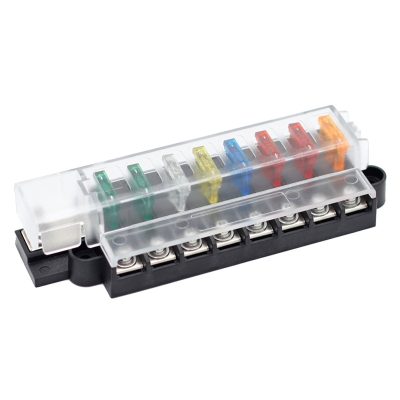
Electrical malfunctions in modern vehicles often originate in the fuse box, where power distribution, overcurrent protection, and circuit segregation are managed. When issues develop in this central hub, symptoms may appear as intermittent lighting, non‑functional accessories, starting problems, or ECU error codes that are difficult to trace. Understanding typical failure modes inside the fuse box helps maintenance teams, auto electricians, and OEM engineers diagnose faults faster and specify more robust components during design.
Corroded Terminals And Oxidized Contacts
Corrosion on fuse blades, terminals, and busbar interfaces is one of the most common causes of voltage drop and unstable operation. Moisture intrusion, salt exposure in coastal regions, and temperature cycling accelerate oxidation, especially in vehicles that operate outdoors year‑round. Corroded contacts increase resistance, which generates local heating, distorts sensor signals, and can trigger random resets of control units. In fleet applications such as logistics vans or construction equipment, this directly affects uptime. Using high‑quality plated terminals, sealed fuse boxes, and dielectric grease in harsh environments significantly improves long‑term performance.
Overheating, Melted Sockets, And Thermal Stress
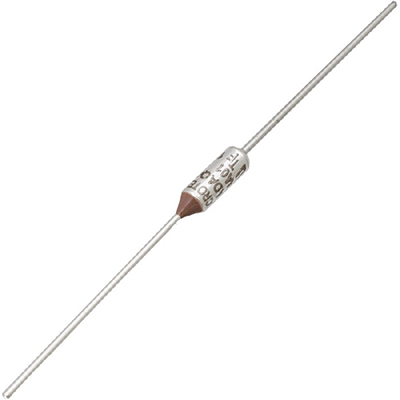
Incorrect fuse ratings, long‑term overloads, and poor contact pressure lead to overheating around individual fuse positions. Local hot spots can soften plastic housings, deform sockets, or partially melt the fuse box. Once plastic distortion occurs, mechanical retention weakens and vibration can cause intermittent open circuits. Drivers may notice flickering headlights, blower motors that cut out, or audio systems restarting during acceleration. For aftermarket upfits such as auxiliary lighting or refrigeration units, dedicated fuse and relay modules with correct current margins and robust PCB copper traces are essential. These solutions maintain stable operation under continuous high loads and frequent thermal cycling.
Cracked PCBs, Broken Traces, And Vibration Damage
In many late‑model vehicles, the fuse box integrates a printed circuit board that routes power to multiple ECUs and sensor networks. Continuous vibration, impact from potholes, or improper mounting can generate microcracks in solder joints or hairline breaks in copper traces. These defects often create intermittent faults that disappear during workshop inspection. Typical symptoms include ABS warnings that clear spontaneously, air conditioning that works only on certain road conditions, or CAN communication errors. Fuse boxes designed with reinforced PCBs, strain‑relief features, and automotive‑grade solder processes show higher durability, making them ideal for heavy‑duty trucks, buses, and off‑road machinery.
Incorrect Modifications, Loose Fuses, And Poor Service Practices
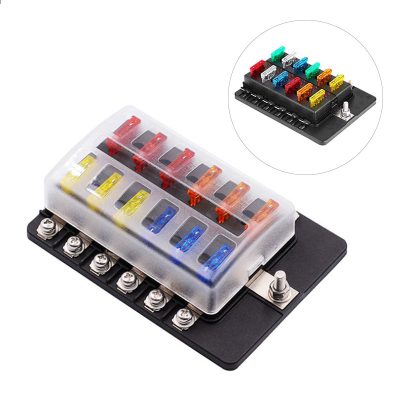
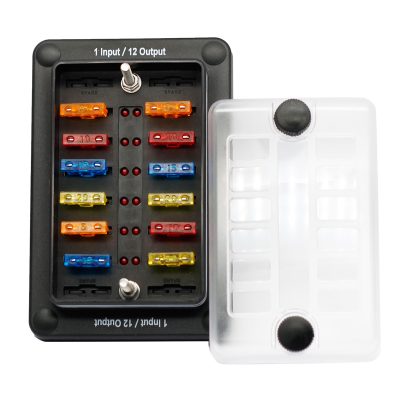
Unauthorised rewiring, tapping into random fuse slots, or using non‑standard fuse types quickly undermines system integrity. Loose fuses, bent blades, and cheap adapters introduce contact instability and inconsistent protection levels. In workshop environments that handle high vehicle throughput, colour‑coded layouts, clear labeling, and standardized fuse families reduce the risk of mistakes. High‑performance fuse boxes that support add‑on circuits via dedicated expansion positions offer a cleaner solution for telematics units, dash cameras, and fleet management systems, maintaining protection while simplifying diagnostics.
1. What are typical signs of fuse box failure?
Drivers often see random warning lights, intermittent power loss to lights or HVAC, blown fuses that reoccur, or components that work only after tapping the fuse area.
2. How can technicians quickly locate fuse box faults?
They combine visual inspection for corrosion and heat marks with voltage drop testing, wiggle tests under load, and verification of fuse ratings against OEM specifications.
3. Why choose premium fuse boxes in new designs?
Premium assemblies deliver lower contact resistance, better sealing against moisture, higher vibration robustness, and easier expansion, all of which improve electrical reliability and reduce lifecycle maintenance costs.