Replacement Fuse Box Signs Vehicle Owners Often Ignore During Electrical Failures
News 2025-12-22
Many electrical issues in modern vehicles trace back to overlooked signs inside the fuse box. As loads from infotainment, ADAS modules, and power converters increase, fuses and fuse holders become frontline protective components. Recognizing replacement indicators early helps prevent harness damage, ECU lockups, and intermittent sensor failures. A systematic inspection strategy focused on visual condition, temperature behavior, and circuit response provides far more insight than simply checking whether a fuse element is broken.
Discolored Fuse Housings and Connector Pins
Light brown or cloudy plastic around blade fuses often signals long-term overheating rather than a one-time short. This staining suggests the circuit is running near or beyond its continuous current rating, especially in HVAC blowers, cooling fans, and aftermarket lighting. Dark spots or melted edges around the metal blades show poor contact pressure at the fuse terminals inside the box. In high-vibration engine compartments, these symptoms precede intermittent loss of power to ignition coils and fuel pumps. Spotting these color changes early allows technicians to upgrade to low-resistance fuse types and restore correct terminal tension before permanent damage occurs.
Hairline Cracks and Micro-Fractures in Fuse Elements
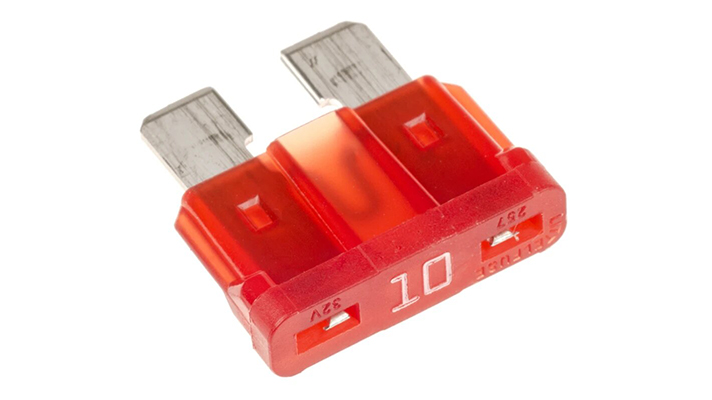
Owners often miss fuses that look intact at a glance yet hide micro-fractures in the metal element. Under thermal cycling, thin sections in mini and micro blade fuses can develop hairline cracks that only open under load, causing radio resets, camera glitches, or sporadic sensor dropouts. Using magnification or a bright inspection lamp helps reveal these faults. Circuits feeding ECUs and CAN gateways are particularly sensitive, as transient interruptions create diagnostic trouble codes and unstable communication. Replacing suspect fuses with high-quality, vibration-tolerant versions restores stable power distribution and improves the long-term reliability of sensitive electronics.
Heat Marks and Hot Spots around Fuse Positions
Even when fuses remain functional, heat patterns on the fuse box surface are warning signs. Slight warping of plastic, glossy patches, or a burnt odor indicate localized high resistance at the fuse terminals or adjacent busbars. These areas often support high-duty loads such as electric power steering, PTC heaters, or DC/DC converters in mild hybrid systems. Ignoring this symptom can allow contact resistance to climb, producing voltage drops that affect sensor accuracy and actuator response. Thermal imaging or contact thermometers during operation help identify hot spots, enabling targeted replacement of both fuse and socket before circuit boards or wiring insulation are compromised.
Corrosion, Moisture Intrusion, and Contaminants
Subtle corrosion on fuse blades and box terminals rarely stops operation immediately but gradually degrades performance. Thin green or white deposits point to moisture ingress from a damaged cover, blocked drain, or engine bay wash. This contamination increases contact resistance and creates unstable voltage supply to lighting modules, body control units, and charging ports. Vehicles operated in coastal areas or regions using road salt are at higher risk. Cleaning contact surfaces, replacing affected fuses, and resealing or replacing the fuse box housing restores low-loss connections and minimizes voltage fluctuation that can shorten the lifespan of electronic components.
1. What happens if a slightly discolored fuse is not replaced?
Prolonged overheating can deform the fuse socket, elevate contact resistance, and eventually damage wiring or connected control modules.
2. Why do intermittent electrical faults often relate to fuse box issues?
Small cracks, corrosion, or loose terminals can maintain continuity at rest yet fail under current or vibration, creating hard-to-trace intermittent symptoms.
3. How often should a vehicle fuse box be inspected?
For vehicles with high electrical loads or aftermarket equipment, a visual inspection every 12 months or 20,000 km is recommended to catch early warning signs.