Compact Spacious Battery Box Solutions for Modern Fleet and Industrial Vehicles
News 2025-11-17
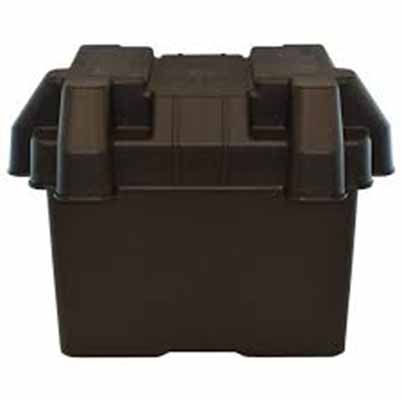
Efficient energy storage enclosures are becoming central to modern fleet vehicles and industrial equipment. A compact yet spacious battery box allows designers to integrate high-capacity packs without sacrificing mounting flexibility, service access, or safety. For electric vans, last‑mile delivery trucks, autonomous warehouse robots, and heavy‑duty forklifts, the right enclosure directly influences uptime, thermal stability, and lifecycle cost. When combined with robust connectors, fusing, and monitoring electronics, these housings form a core building block in the powertrain and auxiliary power architecture.
Key industrial and fleet application scenarios
Electric delivery fleets rely on modular battery boxes installed underbody, between frame rails, or behind the cab. Compact external dimensions free valuable cargo space, while an optimized internal layout supports high energy density packs for extended routes. In warehouses, AGVs and AMRs use quick‑swap boxes to reduce charging downtime; standard footprints and handles speed changeover and minimize human error. Construction and mining equipment demand rugged housings with impact‑resistant shells and sealed interfaces to tolerate dust, mud, and vibration. Municipal vehicles, such as sweepers and refuse trucks, often adopt side‑mounted enclosures that combine traction and auxiliary batteries in one shared compartment.
Performance advantages and design characteristics
A successful compact spacious battery box balances mechanical strength, thermal performance, and electrical protection. High‑strength steel or aluminum structures with internal stiffeners resist shock loads during harsh braking and uneven terrain. Optimized internal spacing allows adequate airflow channels or liquid‑cooling plates around each cell module, reducing temperature gradients and preserving cycle life. Integrated cable routing, strain relief features, and compartmentalized fuse areas simplify assembly while preventing abrasion and short circuits. Many enclosures incorporate IP65 or higher sealing, pressure‑relief valves, and dedicated HV interlock circuits to meet functional safety targets in fleet operation.
Integration with BMS, charging, and telematics
For fleet and industrial vehicles, the battery box is more than a mechanical shell; it is an integration platform for electronics. Designers typically embed the BMS, current sensors, and contactors within the enclosure, minimizing harness length and EMI issues. High‑power DC fast‑charge connectors can be mounted on the box wall, enabling standardized charging points across different vehicle models. Embedded temperature, voltage, and isolation sensors feed real‑time data to telematics systems, supporting predictive maintenance and optimizing charging schedules. With standardized CAN or Ethernet interfaces exiting the housing, fleet operators can deploy the same battery module across vans, yard tractors, and mobile power trailers.
Safety, compliance, and lifecycle considerations
Safety and regulatory compliance strongly influence fleet adoption. Compact spacious enclosures are engineered to meet UNECE R100, ISO 12405, and relevant UL standards, including requirements for insulation, venting, and protection against water immersion. Strategically placed flame‑retardant barriers and gas‑venting paths help mitigate thermal runaway propagation between modules. For maintenance, front‑accessible service panels and clear labeling reduce technician time and error risk. Over the full lifecycle, robust corrosion protection, modular sub‑frames, and replaceable seals lower total cost of ownership and support refurbishment or second‑life deployment in stationary storage.
Practical FAQs on compact spacious battery boxes
1. How does a compact spacious battery box help fleet operators?
A compact footprint preserves payload and mounting flexibility, while an efficiently organized interior supports higher energy capacity, faster service, and better cooling performance, enabling longer routes and higher daily utilization.
2. What protection level should industrial battery boxes achieve?
For outdoor and heavy‑duty industrial scenarios, designers typically target at least IP65 sealing, combined with mechanical impact resistance and validated venting features to withstand moisture, dust, and vibration over long deployment periods.
3. Can one enclosure platform serve multiple vehicle types?
Yes. By using standardized mounting patterns, connector positions, communication interfaces, and modular internal trays, a single battery box platform can be scaled in capacity and deployed across delivery trucks, warehouse vehicles, and mobile industrial equipment.