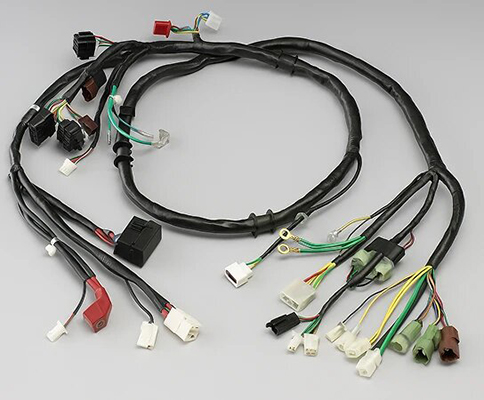
Core Technologies of Wire Harnesses in Automotive Keyless Entry and Start Systems
News 2025-10-31
Wire harnesses are integral to modern automotive systems, particularly in keyless entry and start technologies that enhance vehicle security and user convenience. These assemblies of wires, connectors, and terminals facilitate the seamless transmission of electrical signals for functions like door unlocking, engine ignition, and anti-theft measures. As automotive manufacturers push for more integrated and efficient designs, wire harnesses have evolved to support advanced features such as proximity sensors and wireless communication protocols. This evolution is driven by the need for compact, high-performance components that can handle increasing data loads while maintaining durability in harsh environments like extreme temperatures and vibrations.
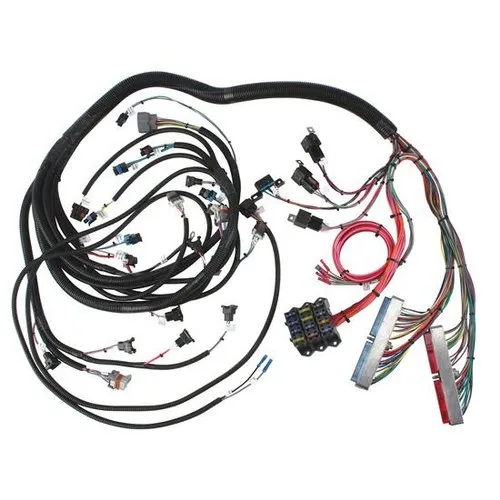
Wire harnesses in automotive keyless entry and start systems are deployed across various real-world settings, from urban commuting to long-haul driving. In city environments, they enable quick access through passive entry systems that detect key fobs without physical interaction, reducing entry time and improving safety in busy areas. For instance, in electric vehicles, wire harnesses connect battery management systems to keyless start modules, ensuring efficient power distribution for silent starts. Additionally, in luxury sedans, these harnesses integrate with infotainment systems for hands-free operation, enhancing the driving experience by minimizing distractions and supporting features like remote start for climate control preconditioning.
The design of wire harnesses offers significant benefits in keyless entry and start systems, including enhanced reliability and reduced weight. By using high-grade materials like shielded cables and corrosion-resistant connectors, these harnesses minimize signal interference and ensure consistent performance over time, which is crucial for security features that prevent unauthorized access. Weight reduction is achieved through optimized routing and the use of lightweight composites, leading to improved fuel efficiency in traditional engines and extended range in electric models. Furthermore, their modular construction allows for easier maintenance and upgrades, enabling automakers to adapt to new technologies such as biometric authentication without overhauling the entire system, thus lowering costs and improving overall system longevity.
1. What is a wire harness in automotive systems?
A wire harness is a bundled set of wires, connectors, and terminals that organize and protect electrical connections, ensuring efficient signal transmission in vehicles.
2. How do wire harnesses enhance keyless entry performance?
They provide reliable, interference-free connections that support fast response times and integration with sensors, improving security and user experience in keyless systems.
3. What challenges are associated with wire harness design?
Challenges include managing electromagnetic interference, ensuring durability in extreme conditions, and balancing weight reduction with cost-effectiveness in complex automotive architectures.