Corrosion-Resistant Thermal Fuse Ensures Long-Term Safety in Extreme Automotive Conditions
News 2025-11-27
In modern vehicles, electronic control units, battery packs, and power distribution modules operate in tight spaces exposed to moisture, salt spray, oil mist, and wide temperature swings. These harsh conditions accelerate metal oxidation and can severely shorten the lifespan of conventional protection components. A corrosion-resistant thermal fuse addresses this challenge by combining precise temperature cutoff behavior with materials and structures that maintain stability over many years of field operation in engine bays, underbody zones, and high-voltage electric vehicle systems.
Key Design Features and Protective Construction
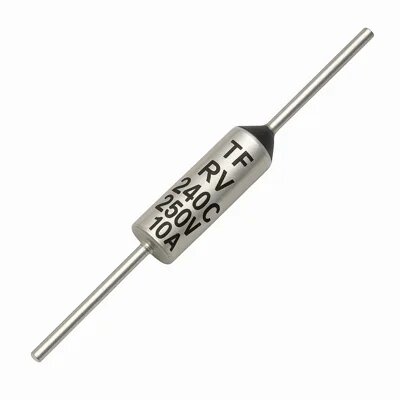
A corrosion-resistant thermal fuse uses contact materials, lead wires, and housings engineered to resist electrolytic attack, sulfuration, and galvanic corrosion. Nickel-plated or tin-alloy surfaces, sealed construction, and moisture barriers prevent degradation of the fusible element that would otherwise shift the opening temperature or increase contact resistance. Stable thermal characteristics are maintained even after repeated exposure to condensation, road salt, and vibration. This design minimizes drift in trip temperature, enabling accurate overtemperature protection over the entire service life of the vehicle.
Performance Advantages in Vehicle Power and Control Systems
In power inverters, DC‑DC converters, and on-board chargers, the fuse must react predictably under both steady-state heating and sudden fault conditions. The corrosion-resistant structure keeps internal connections intact, so the fuse opens cleanly at the specified cutoff point without nuisance tripping or delayed response. Low initial resistance reduces power loss and heat buildup in high-current paths. Manufacturers can meet stringent automotive safety and reliability standards by integrating these fuses into battery modules, PTC heaters, fuel pump controllers, and LED lighting drivers where thermal runaway or localized overheating could lead to permanent damage.
Application Scenarios in Harsh Vehicle Environments
Typical installation locations include engine compartments exposed to oil, coolant vapor, and high ambient temperatures, as well as under-chassis areas subjected to water splash, mud, and de-icing chemicals. In electric and hybrid vehicles, thermal fuses are embedded inside battery cell groups, junction boxes, and contactor assemblies to provide last-line protection against abnormal temperature rise. Their corrosion resistance is critical when units are mounted near cooling lines or vents that may introduce humidity. By maintaining predictable performance in these environments, the fuse supports longer maintenance intervals and reduces the risk of thermal incidents in mission-critical applications such as ADAS computing modules and braking systems.
Integration, Standards Compliance, and Selection Guidelines
When selecting a corrosion-resistant thermal fuse, engineers evaluate rated current, opening temperature, insulation voltage, and mechanical dimensions in relation to the target PCB layout or harness design. Devices that comply with automotive-grade standards, such as AEC‑Q200 where applicable, simplify qualification and validation. Surface-mount or axial-leaded packages can be combined with conformal coatings, gaskets, or sealed housings to create multilayer defense against moisture ingress. Early integration in the design phase helps optimize thermal coupling to hotspots such as power MOSFETs, transformers, or resistor banks, ensuring fast yet stable response under fault conditions.
1、How does a corrosion-resistant thermal fuse improve vehicle safety?
It maintains accurate opening temperature and low resistance even in humid, salt-rich, or oil-contaminated environments, ensuring dependable interruption of overheating events.
2、Where is this type of thermal fuse typically used in vehicles?
Common locations include engine-control units, on-board chargers, battery packs, heater modules, lighting systems, and underbody junction boxes exposed to road splash.
3、What factors should engineers consider when choosing such a fuse?
Key parameters include rated current, cutoff temperature, voltage rating, package style, environmental sealing level, and compliance with automotive qualification standards.