Custom-Molded Battery Box Solutions for Specific Vehicle Makes and Models in Today’s Market
News 2025-11-17
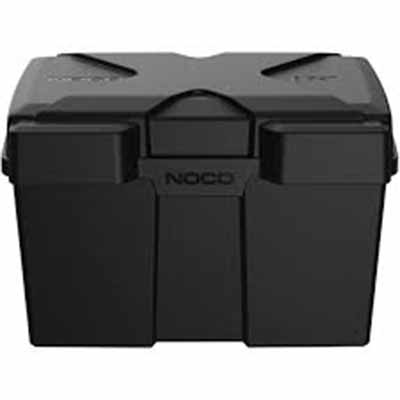
Custom-molded battery boxes for automotive platforms have become a key element in modern powertrain and auxiliary energy architectures. Instead of relying on generic enclosures, OEMs and retrofitters now specify housings that match the exact geometry, mounting points, ventilation needs, and service requirements of each vehicle model. This trend spans passenger cars, light commercial vans, off-road equipment, and emerging electric and hybrid platforms, where packaging constraints and safety standards are increasingly strict.
Fitment Tailored to Vehicle Platforms
Custom-molded battery boxes are engineered around CAD data for specific makes and models, aligning perfectly with under-hood, trunk, under-seat, or chassis-rail spaces. Precision fitment simplifies assembly on production lines and reduces the need for brackets, shims, or improvised fasteners in the aftermarket. For electric SUVs and pickup trucks, low-profile boxes integrate into skateboard chassis zones, preserving ground clearance while safeguarding cells from impact. Fleet-oriented vans and small trucks benefit from boxes shaped around frame cross-members, fuel lines, and harness routes, improving service access and minimizing interference with existing components.
Performance, Protection, and Thermal Management
A vehicle-specific battery box does more than hold the pack; it actively supports performance and longevity. Molded housings incorporate reinforced ribs, crush zones, and gasketed lids that meet IP-rated sealing targets, protecting high-value lithium-ion or AGM modules from water, dust, and road debris. For harsh-duty off-road vehicles, high-impact polymers or composite blends resist vibration and stone strikes, while integrated drain channels manage condensation. Thermal performance is enhanced through built-in air ducts, slots for cooling plates, and space for temperature sensors, enabling stable operation of high-discharge packs used in start-stop systems, auxiliary winches, and telematics equipment.
Materials, Standards Compliance, and Integration
Manufacturers select materials for each vehicle program based on temperature range, chemical exposure, and load requirements. Glass-filled polypropylene and high-density polyethylene are common for weight-sensitive passenger cars, whereas hybrid composite-metal designs support large traction batteries in buses and specialty vehicles. Boxes are validated against automotive standards covering flammability, vibration, corrosion, and mechanical shock, helping OEMs comply with UN ECE R100, SAE, and regional regulations. Mounting bosses, cable pass-throughs, and BMS connector interfaces are molded into the enclosure, reducing secondary machining and improving consistency. This integration shortens development cycles and supports modular platforms shared across multiple models.
Key Application Scenarios and Market Outlook
Application demand spans conventional 12 V systems, dual-battery setups for overlanding, and high-voltage packs in plug-in hybrids and full EVs. In commercial fleets, custom boxes enable underbody energy storage that keeps cargo bays free, supporting refrigerated delivery, last-mile logistics, and mobile workshop vehicles. Specialty upfitters use tailored enclosures to add auxiliary power to police cars, emergency response units, and utility trucks without compromising OEM wiring or safety zones. As vehicle electrification accelerates, automakers seek scalable families of custom-molded boxes that can host varying cell counts and chemistries while maintaining consistent mounting architecture, which strengthens brand platforms and simplifies global sourcing.
1. What vehicles benefit most from custom-molded battery boxes?
Passenger EVs, light commercial vans, off-road machines, and specialized fleet vehicles gain the greatest benefit, where packaging space is tight and uptime is critical.
2. How do custom battery boxes improve safety and durability?
They use engineered materials, sealing features, and structural reinforcement to resist vibration, moisture, and impact, supporting compliance with automotive and e-mobility safety standards.
3. Are custom-molded solutions cost-effective for smaller production runs?
Yes, modern tooling methods and modular design strategies allow economical production for niche models and upfitted fleets, especially when reduced installation time and longer service life are considered.