Designing and Implementing Sturdy Wire Harness Systems for Safe and Efficient Electrical Connections in Automotive Fuel Delivery Mechanisms
News 2025-10-31
In the automotive industry, reliable electrical systems are essential for the safe operation of fuel delivery mechanisms. Sturdy wire harness structures provide the backbone for these systems, ensuring that connections remain intact under demanding conditions such as extreme temperatures, vibrations, and chemical exposure. As vehicles incorporate advanced technologies like direct fuel injection and hybrid powertrains, these harnesses play a key role in maintaining precise electrical signaling, which supports overall vehicle efficiency and regulatory compliance.
Core Components and Material Choices
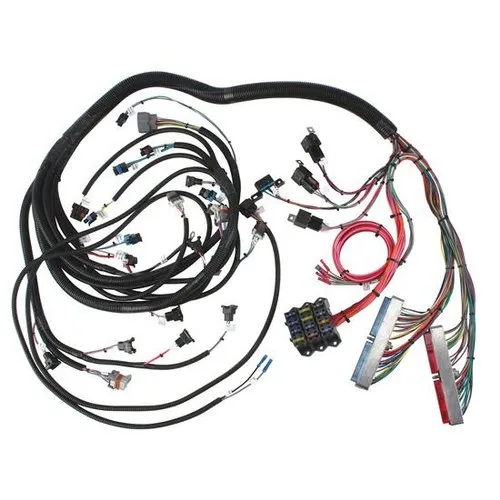
Wire harnesses consist of conductors, insulators, connectors, and protective sheaths, each selected for specific performance attributes. Copper is commonly used for its high conductivity and resistance to corrosion, while insulators like cross-linked polyethylene offer flexibility and heat resistance up to 125°C. Connectors feature sealed designs to prevent moisture ingress, enhancing durability in fuel system environments. This material strategy minimizes electrical resistance and failure risks, leading to longer service life and reduced downtime in automotive applications.
Application Scenarios in Fuel Systems
In automotive fuel systems, sturdy wire harnesses are critical for components such as fuel pumps, injectors, and sensors. For example, in a direct injection setup, they transmit rapid electrical pulses to control fuel atomization, improving combustion efficiency and lowering emissions. These harnesses also handle monitoring tasks in hybrid vehicles, where they endure thermal cycles and mechanical stresses without degrading. By ensuring consistent performance, they contribute to better fuel economy and adherence to emission standards in real-world driving conditions.
Frequently Asked Questions
1. What materials are used in sturdy wire harnesses for automotive fuel systems?
Answer: Materials like copper conductors and silicone insulators are chosen for their resistance to heat, chemicals, and wear, ensuring reliable operation in harsh environments.
2. How do these wire harnesses improve fuel system efficiency?
Answer: They provide stable electrical connections that enable precise control of fuel delivery, reducing waste and enhancing overall engine performance.
3. What safety benefits do sturdy wire harness designs offer?
Answer: Their robust construction prevents disconnections and shorts, minimizing the risk of fuel-related hazards and supporting safer vehicle operation.