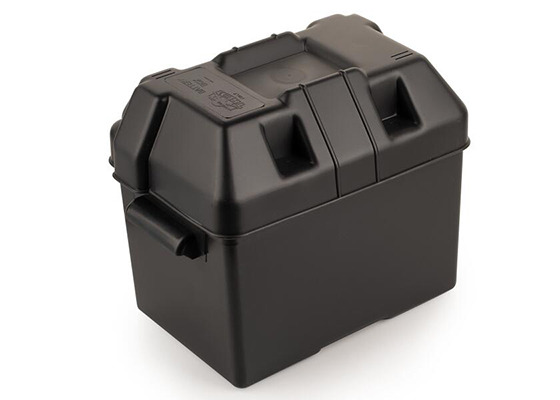
Durable corrosion-resistant battery box for extended protection across most car battery models
News 2025-11-17
A durable corrosion-resistant battery box compatible with most car battery models plays a decisive role in modern automotive power systems. High under‑hood temperatures, road salt, moisture, and vibration all accelerate battery aging and damage terminals, cables, and surrounding components. A purpose‑designed enclosure isolates the battery from harsh conditions while still allowing proper ventilation and secure mounting. For workshops, fleet operators, and performance car enthusiasts, a standardized box that fits a wide range of battery sizes reduces inventory complexity and ensures consistent protection across different vehicle platforms.
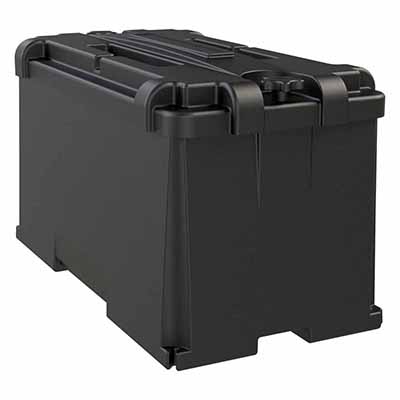
Key construction materials and corrosion resistance
The core value of this battery box lies in its material selection and anti‑corrosion strategy. High‑impact polypropylene or glass‑fiber‑reinforced plastic provides structural rigidity while resisting acid splashes and chemical fumes. UV‑stabilized additives prevent embrittlement and discoloration in engine bays or trunk spaces exposed to sunlight. Stainless steel or zinc‑plated hardware is used for latches, hinges, and mounting brackets to prevent rust at mechanical stress points. Internal surfaces are designed to contain minor electrolyte leaks, and integrated drain channels allow controlled removal of any accumulated fluids during maintenance.
Performance features and installation flexibility
To support most common car battery formats, the box typically includes adjustable internal supports and multiple knock‑out ports for cable routing. This flexibility enables secure fitment for standard flooded lead‑acid, AGM, and many EFB batteries used in start‑stop vehicles. High clamping strength and vibration‑damping pads stabilize the battery on rough roads, reducing plate damage and connection fatigue. The lid often incorporates vent ports compatible with one‑way vent tubes, directing gases away from sensitive electronics while maintaining sufficient airflow. Clear polarity markings and generous cable entry zones help technicians install and service batteries quickly, minimizing workshop downtime.
Application scenarios in passenger, commercial, and specialty vehicles
This corrosion‑resistant battery box finds use across passenger cars, light trucks, delivery vans, and off‑road vehicles operating in demanding climates. In coastal regions or areas using heavy road salt in winter, the enclosure protects terminals and trays from aggressive corrosion, extending battery life and reducing unexpected failure events. Fleet operators running stop‑and‑go urban cycles benefit from stable electrical performance and standardized mounting, which simplifies battery replacement schedules. In motorsport or off‑road builds, the box supports trunk‑mounted or rear‑seat‑mounted battery relocations, providing robust mechanical protection and helping meet safety regulations for enclosed battery compartments.
Maintenance, safety, and lifecycle benefits
From a maintenance perspective, using a dedicated battery box helps keep the compartment clean and organized, making visual inspections faster and more accurate. Technicians can easily check for loose terminals, corrosion traces, or venting issues without dismantling multiple brackets. The enclosure reduces the risk of accidental short circuits from metal tools or cargo impacting exposed terminals, which enhances workshop safety and user confidence. Over the service life of the vehicle, improved environmental shielding contributes to fewer battery replacements, less cable and tray corrosion, and lower total cost of ownership. The result is a more stable power supply for engine starting, ECU operation, and onboard electronics.
1Typical vehicles that benefit most?
Passenger cars in coastal or high‑humidity regions, commercial fleets exposed to road salt, off‑road SUVs, RVs, and performance cars with relocated batteries gain the largest durability and safety advantages.
2Is it compatible with different battery chemistries?
Yes, the box is generally suitable for standard flooded lead‑acid, AGM, and many enhanced flooded batteries, as long as the dimensions and venting requirements fall within the supported range.
3Does the battery box affect vehicle electrical performance?
The enclosure does not reduce electrical performance when correctly installed; instead, it helps maintain consistent connections and mitigates corrosion, supporting stable voltage delivery and reliable cold‑cranking capability.