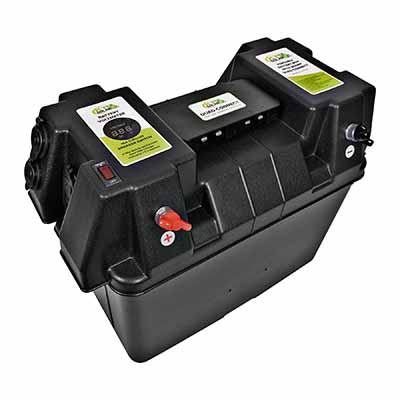
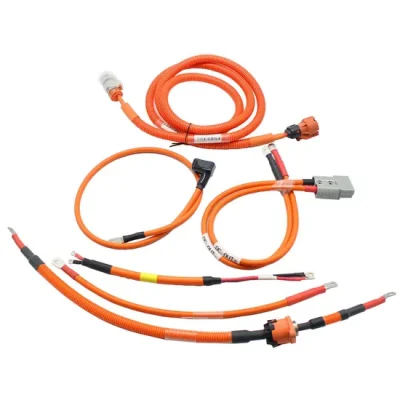
Easy-to-install battery box solutions for passenger cars SUVs and light commercial vehicles
News 2025-11-17
Easy-to-install battery box passenger cars SUVs light commercial vehicles
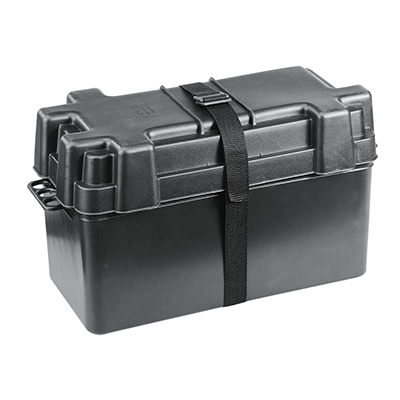
Optimized design for modern vehicles
Battery box systems for passenger cars, SUVs, and light commercial vehicles must handle dense packaging, high vibration, and rising electrical loads. An easy-to-install battery box reduces workshop time, cuts assembly errors, and supports modular platforms shared across multiple models. Well-engineered housings integrate tightly with existing chassis mounting points and cable routing paths, minimizing custom brackets or on-vehicle modifications. For OEMs and fleet upfitters, this means faster line integration and simpler service procedures across gasoline, diesel, hybrid, and mild hybrid architectures.
Key performance features and materials
A high-performance battery box combines mechanical strength, thermal management, and electrical safety. Robust housings use corrosion-resistant steel or reinforced polymers with UV-stable coatings for underhood, underbody, or rear-compartment installation. High IP-rated seals protect against water spray, road salt, dust, and stone impact. Integrated venting elements manage gas release from lead-acid batteries while preventing moisture ingress. Cable glands and strain-relief features secure power and sensor lines, limiting fatigue during long-term vibration exposure. Flame-retardant materials, short-circuit protection, and well-defined grounding points support compliance with automotive safety and EMC standards.
Application scenarios in passenger cars, SUVs, and LCVs
In compact passenger cars, space-saving battery boxes enable tight engine-bay layouts and facilitate quick replacement during regular service. SUVs often require higher capacity batteries for advanced driver assistance systems, power tailgates, and infotainment loads, making robust mechanical protection against off-road vibration critical. Light commercial vehicles demand extended life under frequent start-stop cycles and heavy accessory use such as refrigeration units, lifts, and telematics devices. Easy-to-install box designs with standardized footprints and tool-free latching systems help fleet operators reconfigure vehicles quickly for different payloads or regional requirements, while maintaining consistent electrical performance.
Installation, maintenance, and cost efficiency
Fast installation directly influences total cost of ownership. Pre-configured mounting rails, integrated handles, and clear polarity markings shorten technician training and reduce installation errors. Service-friendly covers allow quick inspection of terminals and fuses without removing the entire housing. Modular designs support different battery chemistries, from conventional flooded lead-acid to AGM and emerging low-voltage lithium options, enabling platform continuity over multiple vehicle generations. By minimizing downtime, lowering warranty claims related to improper mounting, and supporting predictable replacement cycles, easy-to-install battery boxes deliver tangible financial benefits for both OEM programs and large commercial fleets.
Three quick questions and answers
1. How does an easy-to-install battery box improve safety?
Clear mounting interfaces, protected terminals, and integrated ventilation reduce the risk of loose connections, short circuits, and gas accumulation, supporting safer operation under harsh driving conditions.
2. Which vehicles benefit most from standardized battery box designs?
Passenger cars, SUVs, and light commercial vehicles that share modular platforms gain from standardized boxes, as they simplify production, parts management, and service procedures across multiple models.
3. What environmental conditions can these battery boxes withstand?
Automotive-grade battery boxes are engineered for wide temperature ranges, high vibration, water spray, road debris, and chemical exposure from oils and de-icing salts, ensuring stable performance throughout the vehicle lifetime.