Engineering Automotive Battery Box Ventilation for High-Performance Lead-Acid Systems
News 2025-11-17
Lead-acid batteries remain a cornerstone of automotive energy storage, and their performance depends greatly on a properly engineered battery box with optimal ventilation. In modern vehicles, from passenger cars to commercial fleets and specialty off-road platforms, the enclosure around the battery must manage heat, moisture, and gas release while preserving electrical safety. Well-designed ventilation not only supports stable battery capacity and cycle life, it also helps protect surrounding components, wiring harnesses, and nearby electronic modules that are sensitive to temperature and corrosion.
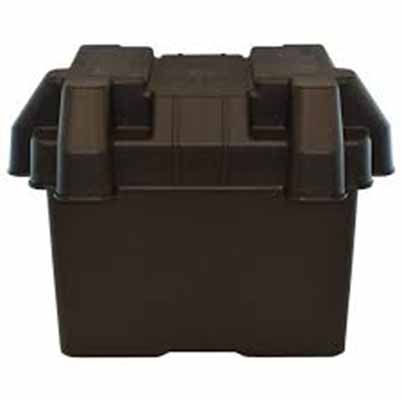
Key Functional Requirements of Ventilated Battery Boxes
A ventilated automotive battery box for lead-acid cells must address several functional needs simultaneously. The enclosure should maintain structural integrity under vibration, road shock, and engine compartment temperature swings, while allowing controlled airflow paths that dissipate heat and hydrogen gas produced during charging. Design engineers typically specify vent channels, pressure-relief openings, and splash shields that prevent water ingress yet avoid gas accumulation. Integration with cable grommets, fuse holders, and monitoring sensors is also standard, ensuring that vent paths do not compromise insulation distances or creepage requirements mandated by automotive standards.
Performance Advantages of Optimal Ventilation
Effective ventilation improves electrochemical stability in lead-acid batteries by limiting temperature rise during high-current cranking, regenerative braking events, and repeated charge cycles. Lower internal temperature slows grid corrosion, mitigates water loss in flooded designs, and supports consistent cold-cranking performance. Controlled venting of hydrogen and oxygen reduces the risk of localized concentration pockets that might ignite in the presence of sparks or static discharge. From a reliability perspective, this translates into longer service intervals, reduced warranty claims, and more predictable battery health across diverse climates, from hot urban traffic to cold-start conditions in winter testing regions.
Application Scenarios Across Vehicle Platforms
Automotive battery boxes with optimized ventilation appear in multiple installation zones: engine compartments, trunk-mounted configurations, under-seat layouts, and chassis-mounted packs for commercial vehicles. In compact passenger cars, space-constrained boxes use guided vent hoses to route gases safely outside the cabin. Light trucks and buses often deploy larger enclosures with modular vent panels to support high-capacity lead-acid banks for auxiliary loads such as HVAC, liftgates, or emergency lighting. Specialty vehicles, including construction machinery and agricultural equipment, require ruggedized boxes with dust- and mud-resistant vent designs that maintain airflow while preventing particulate ingress in harsh environments.
Design Considerations for System Integrators
System integrators must balance mechanical packaging, electrical protection, and thermal management when specifying a ventilated battery box. Material selection typically favors high-strength, flame-retardant polymers or coated metals that withstand acid mist and road chemicals. Computational fluid dynamics and under-hood thermal simulations help validate that vent location, cross-sectional area, and baffle geometry maintain acceptable temperature gradients around the battery case. Compliance with OEM specifications and standards such as ISO and SAE guidelines is crucial, especially for vehicles with start-stop systems and high electrical loads, where lead-acid batteries operate closer to their design limits.
FAQs on Automotive Lead-Acid Battery Box Ventilation
1. Why is ventilation important in a lead-acid automotive battery box?
Proper ventilation removes heat and hydrogen gas generated during charging, stabilizing battery temperature, extending service life, and lowering the risk of gas accumulation that could lead to ignition.
2. Where are ventilated battery boxes typically installed in vehicles?
They are commonly installed in the engine bay, trunk, under the rear seat, or on the chassis frame of commercial vehicles, with vent paths designed to direct gases away from passengers and sensitive electronics.
3. Does improved ventilation affect battery maintenance intervals?
Yes, effective ventilation supports more stable operating conditions, which helps reduce grid corrosion and water loss, allowing longer maintenance intervals and more consistent performance over the battery’s lifetime.