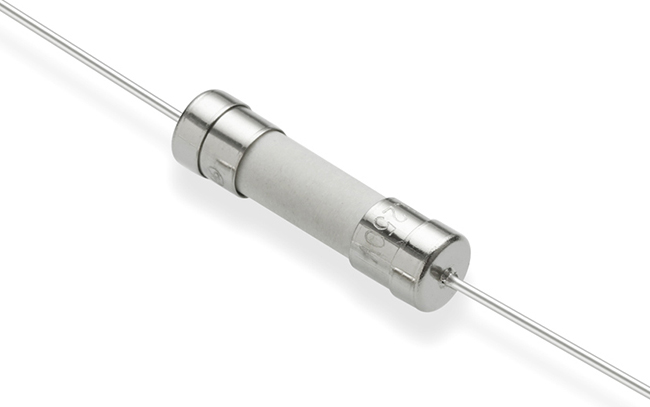
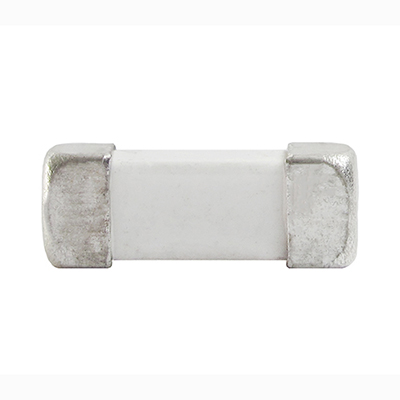
Enhanced Inline Fuse Holder Boosts Off-Grid Solar Panel Systems
News 2026-01-12
An inline fuse holder is a compact protective device designed to integrate seamlessly into off-grid solar panel setups. Positioned between the solar array and charge controller or battery bank, it safeguards critical components against overcurrent incidents that could cause irreversible damage. In remote power systems, consistent performance is vital to maintain energy availability. The holder’s robust housing, compatibility across fuse ratings and simple installation method make it a preferred option among solar engineers and system integrators seeking to improve safety and equipment lifespan.
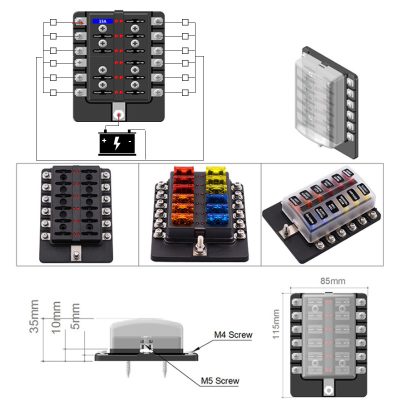
Key Design Features
Constructed from UV-resistant plastic or fiber-reinforced nylon, this inline fuse holder endures harsh outdoor conditions. Its IP65 or higher ingress protection rating prevents dust and moisture intrusion, ensuring consistent performance in rain, snow or extreme temperatures. Dual safety latches secure the fuse in place, preventing accidental disengagement during vibration or maintenance. The holder accommodates a broad range of fuse sizes, supporting ratings from 5A up to 30A or more. Gold-plated terminals minimize contact resistance, while the snap-in design facilitates rapid fuse replacement without specialized tools.
Electrical Performance Advantages
Low series resistance contributes to minimal voltage drop, preserving the efficiency of the solar array. The inline fuse holder’s precision-engineered contacts ensure stable current conduction up to the rated amperage, reducing hotspots and energy loss. It accepts both fast-blow and slow-blow fuse elements, enabling customization for specific load profiles and transient conditions. High dielectric strength materials inhibit arcing under fault conditions, while thermal stability ratings up to 125°C maintain consistent operation under elevated loads. Such performance characteristics extend component lifespan and reduce maintenance frequency.
Installation in Off-Grid Setups
Mounting brackets or adhesive bases allow secure placement near combiner boxes or battery enclosures, optimizing wiring runs and reducing cable clutter. Polarity markings streamline wiring, minimizing installation errors and commissioning time. The compact form factor conserves space in crowded cabinets, while terminal connectors ensure compatibility across solar panel brands. Routine inspections and timely fuse replacement help maintain uninterrupted operation in isolation environments.
1、What scenarios benefit from an inline fuse holder?
Answer: It protects solar circuits from overcurrent damage to controllers, batteries and cables.
2、Which factors affect fuse rating selection?
Answer: Maximum circuit current, transient spikes and conductor ampacity determine the proper rating.
3、How often should the fuse be checked?
Answer: Inspect every six months and replace immediately after any fault.