Enhancing Electrical Safety in High-Speed Performance Vehicles with Advanced Fuse Boxes
News 2025-10-31
In high-performance cars, electrical systems face extreme demands during high-speed operations, where rapid acceleration and intense vibrations can lead to potential failures. Fuse boxes serve as vital safeguards, interrupting power flows to prevent overloads and short circuits that could cause fires or damage critical components. This exploration highlights how specialized fuse boxes contribute to reliable electrical protection in demanding automotive environments.
Key Features and Engineering Excellence
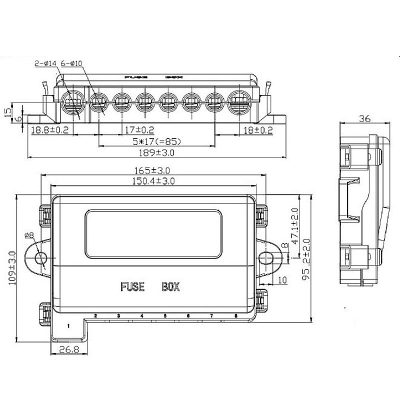
Advanced fuse boxes incorporate high-amperage capabilities and durable materials to handle the rigors of performance driving. They feature fast-acting fuses that respond swiftly to current surges, along with compact, heat-resistant designs that optimize space and maintain functionality under thermal stress. These attributes ensure consistent protection for complex systems like engine controls and lighting, enhancing overall vehicle resilience.
Real-World Applications in Dynamic Scenarios
In high-speed contexts such as racetracks or high-performance road use, fuse boxes protect against electrical anomalies during sharp maneuvers or extreme speeds. For instance, in sports cars, they safeguard circuits powering aerodynamic features and telemetry systems, preventing disruptions that could compromise safety or performance. This integration supports seamless operation in challenging conditions, from urban drives to competitive racing.
1. What is the main purpose of a fuse box in a vehicle?
It protects electrical circuits by breaking connections during overcurrent events, avoiding damage and potential hazards.
2. How do fuse boxes benefit high-performance cars specifically?
They offer rapid response and robust construction to manage higher electrical loads, reducing failure risks in intense driving situations.
3. What factors should be considered when selecting a fuse box for speed-oriented vehicles?
Factors include current rating, material durability, and compatibility with advanced systems to ensure optimal safety and efficiency.