Essential Comprehensive Guide to Car Fuse Holders in Power Seats Wiring Systems and Amperage Requirements
News 2025-10-20
In the intricate world of automotive electronics, the car fuse holder serves as a vital component in protecting wiring systems for features like power seats. These seats, equipped with motors for adjustment, demand precise electrical management to avoid hazards such as short circuits or fires. Amperage requirements are key, dictating the current capacity the fuse can handle safely. This guide explores the role of fuse holders in power seats wiring, emphasizing their importance for safety, performance, and compliance with industry standards. Whether you’re an automotive technician or a car owner performing DIY maintenance, understanding these elements can prevent costly repairs and ensure reliable vehicle operation.
Application Scenarios
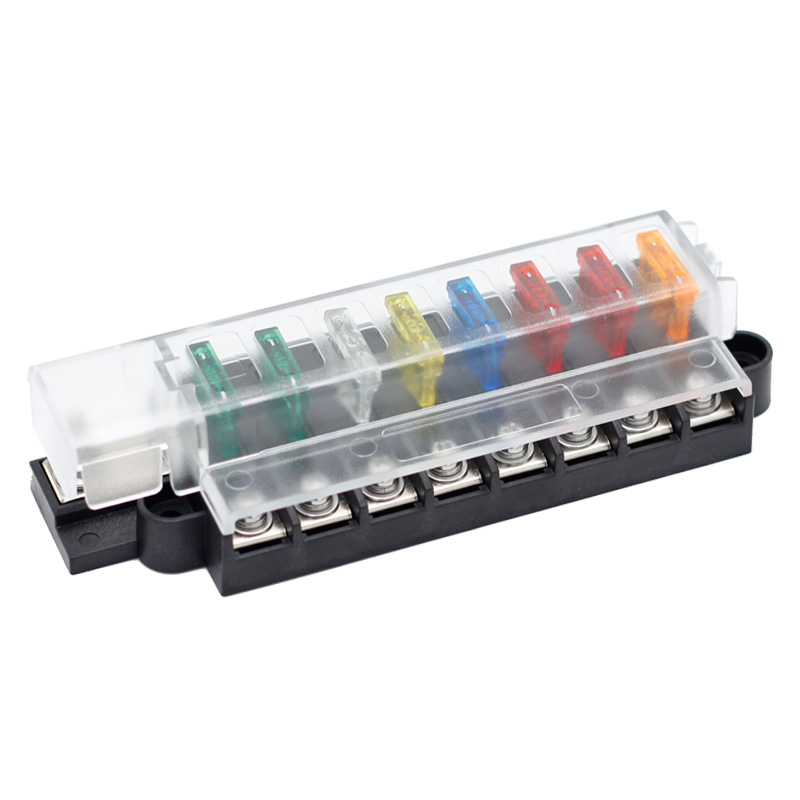
Fuse holders are integral to power seats wiring in various vehicle types, including sedans, SUVs, and electric cars. They protect circuits during frequent adjustments, where motors draw significant current. For instance, in luxury vehicles, fuse holders are often installed near the battery or in centralized fuse boxes to isolate faults quickly. This setup is crucial in preventing damage from overloads, especially in modern cars with integrated systems that combine seating with other electronics like heating elements. By containing electrical issues, fuse holders enhance overall system reliability and safety in daily driving scenarios.
Performance Advantages
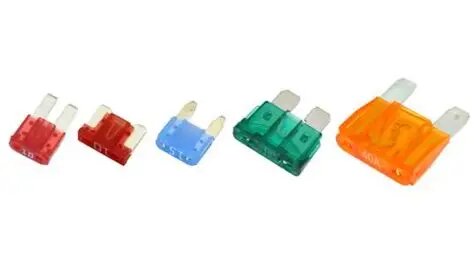
High-quality fuse holders offer key benefits for power seats wiring, starting with robust materials that withstand heat and vibration. They support precise amperage ratings, typically ranging from 10 to 40 amps, allowing tailored protection against specific loads without unnecessary interruptions. This precision reduces wear on components and extends the lifespan of wiring systems. Additionally, features like waterproof seals and easy-access designs improve maintenance efficiency, making them ideal for diverse environments. These advantages not only boost safety but also optimize energy use, contributing to better fuel efficiency in combustion engines or battery life in electric vehicles.
Frequently Asked Questions
1. What amperage is suitable for power seats fuses?
Answer: Suitable amperage typically ranges from 20 to 30 amps, depending on the seat’s motor size and vehicle model; refer to the manual for exact specifications.
2. How do fuse holders enhance wiring safety?
Answer: They enhance safety by breaking the circuit during overcurrent events, preventing overheating and potential fires in power seats wiring.
3. Can incorrect amperage cause issues?
Answer: Yes, incorrect amperage can lead to frequent fuse blowing or inadequate protection, resulting in damage to the wiring or seat motors.